Metal mesh for cabinets might sound niche, but it’s actually central to industries worldwide — from industrial storage solutions to architectural design and even humanitarian logistics. Why does it matter globally? Well, metal mesh enhances durability, airflow, and security for cabinets that store everything from tools to sensitive equipment. In a world increasingly focused on sustainable and efficient infrastructure, understanding these metal meshes offers not just technical insight but also tangible benefits like cost savings, scalability, and safety.
Globally, there’s growing emphasis on optimizing storage and safeguarding assets—whether in manufacturing plants, hospitals, or warehouses. The International Organization for Standardization (ISO) notes in its standards on storage and ergonomics that materials like metal mesh contribute significantly to ventilation and fire safety standards.[1] And according to the World Bank, efficient industrial storage correlates directly with improved supply chain resilience, a hot topic after recent disruptions.
Yet, a real challenge arises: how do you create cabinet storage that’s not only sturdy and secure, but also adaptable and cost-efficient? Enter metal mesh for cabinets — combining technical innovation and practicality. Oddly enough, this simple material can address complex problems like airflow regulation, visibility, and weight reduction all at once.
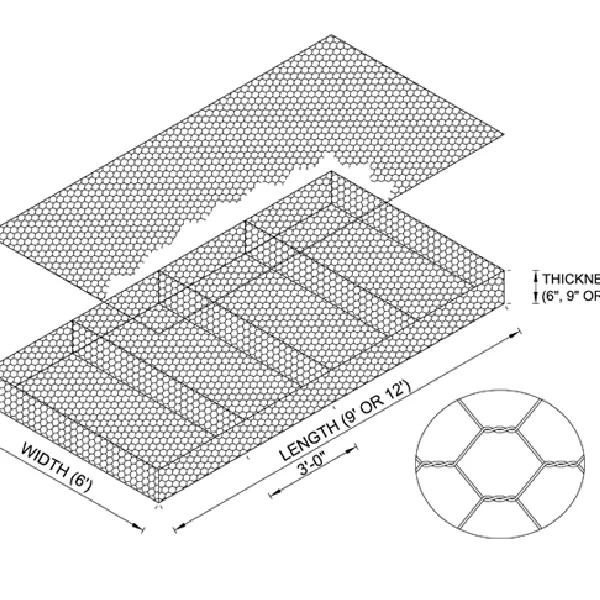
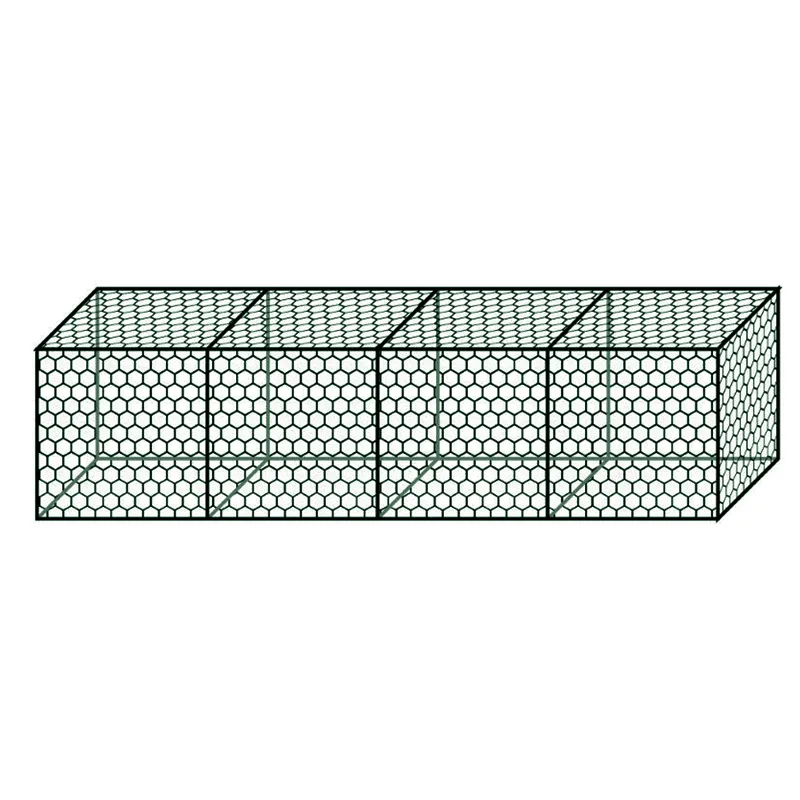
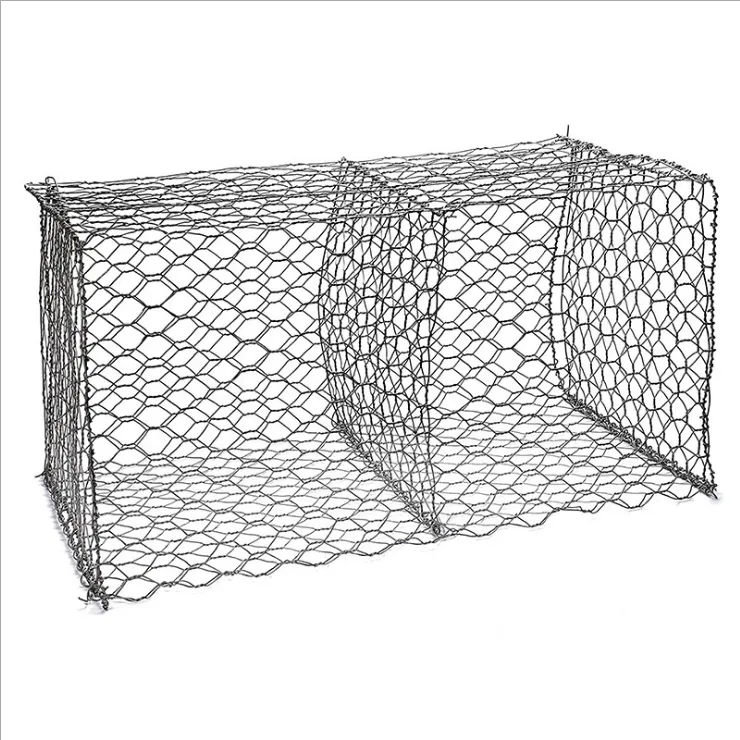
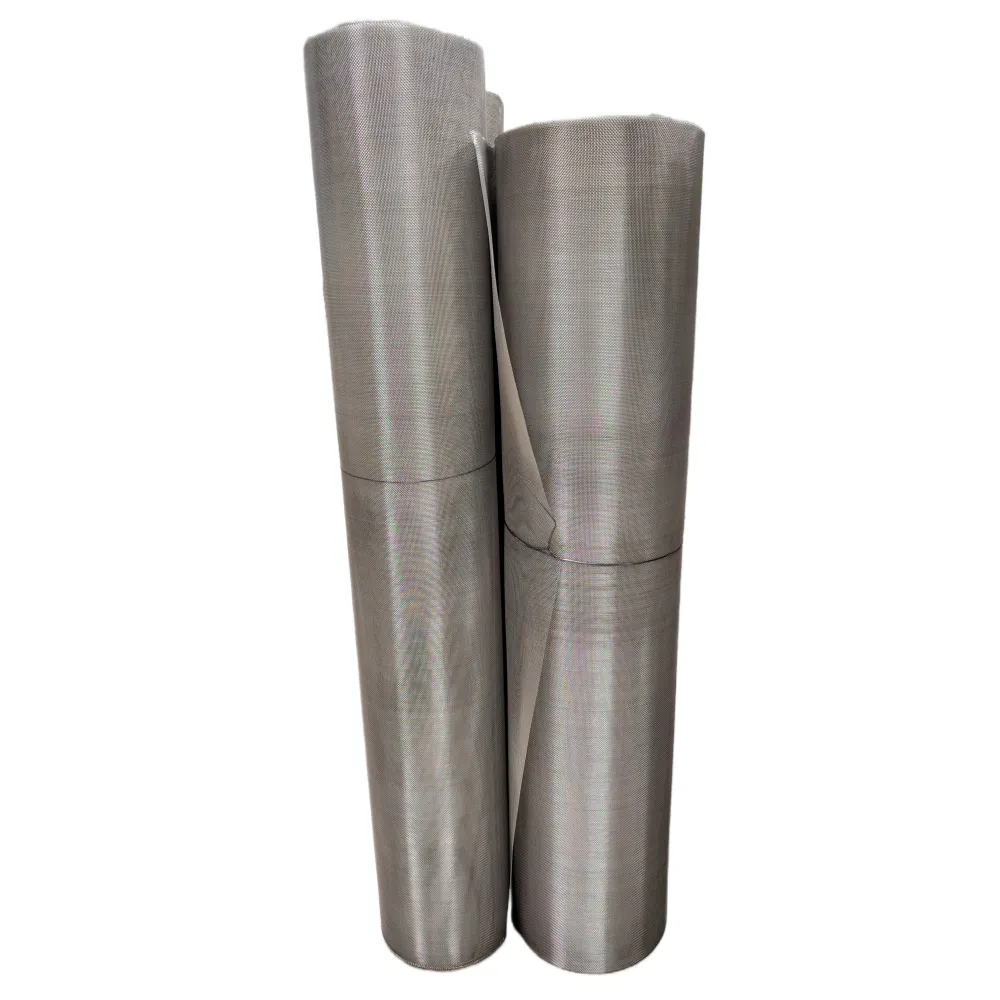
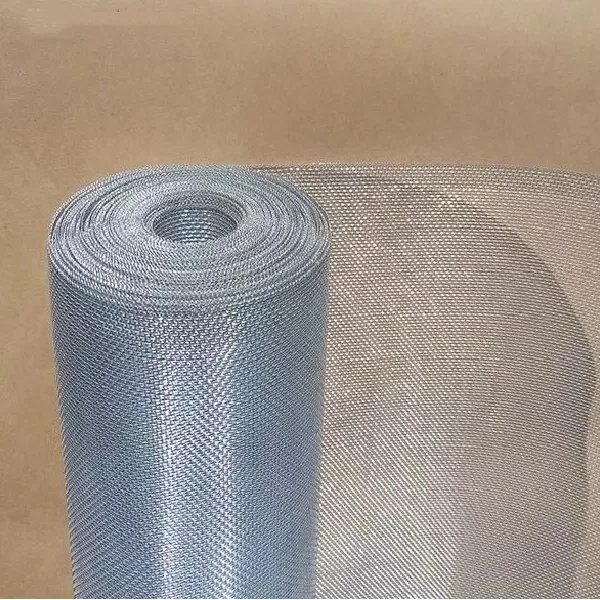
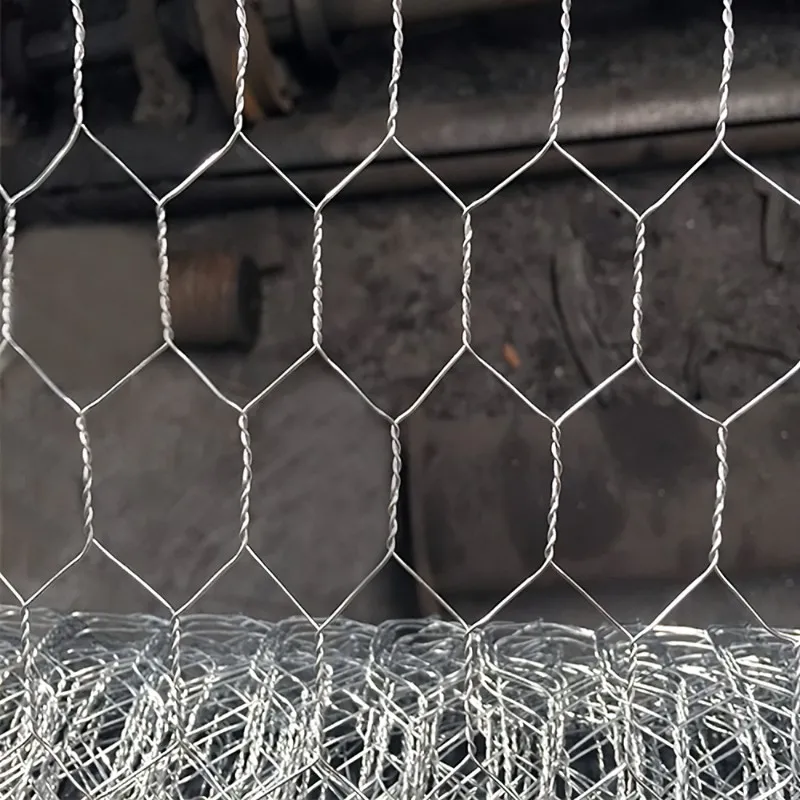
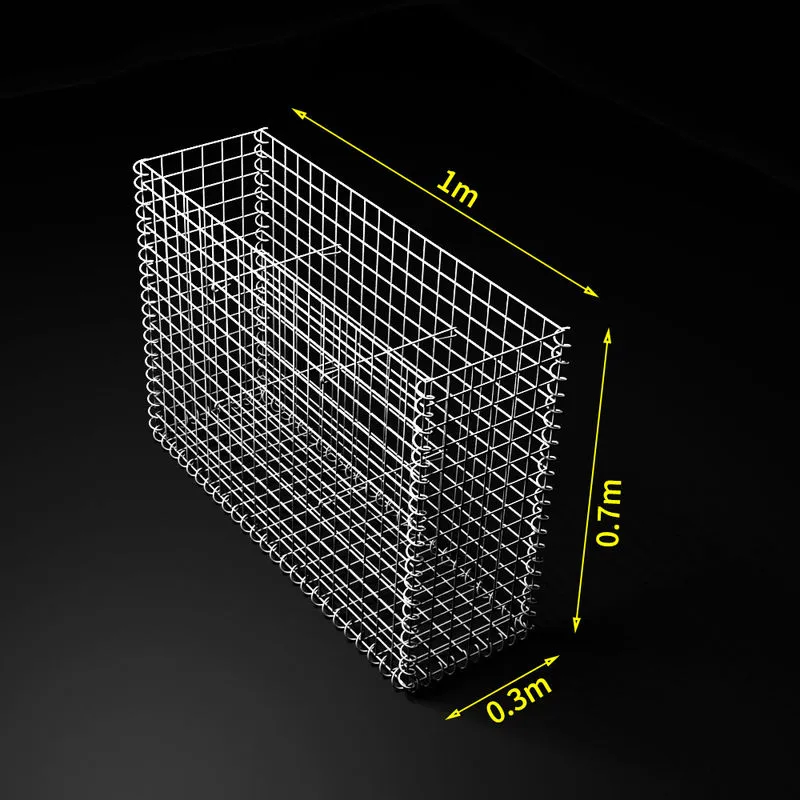
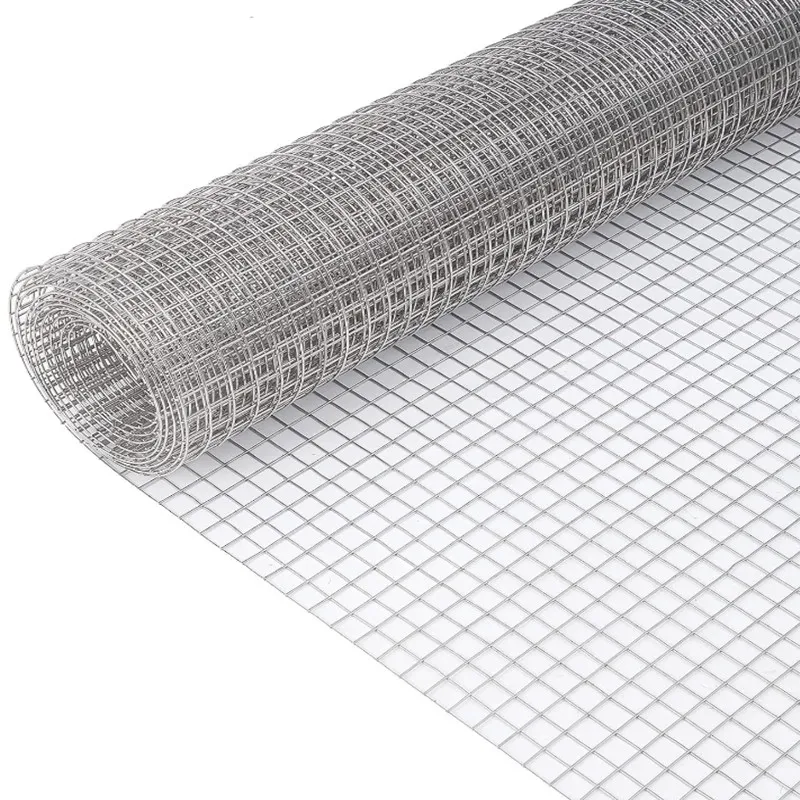
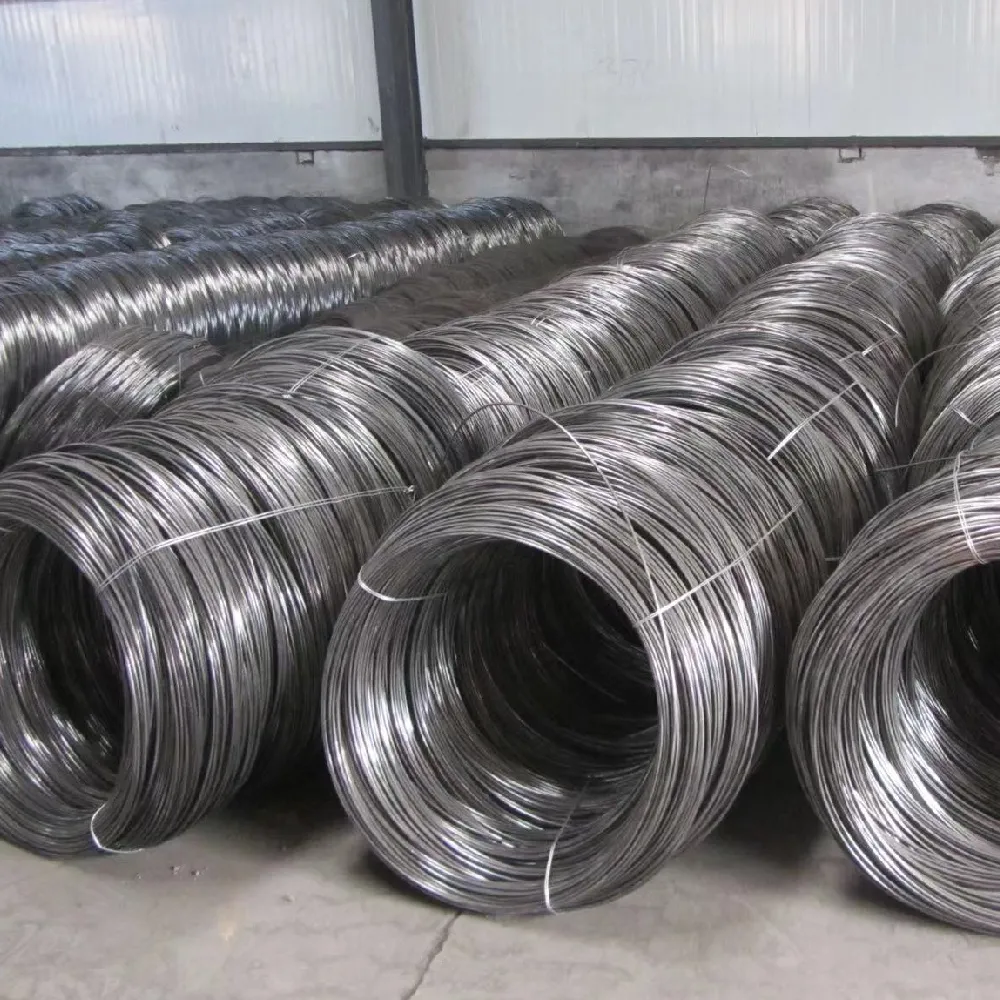
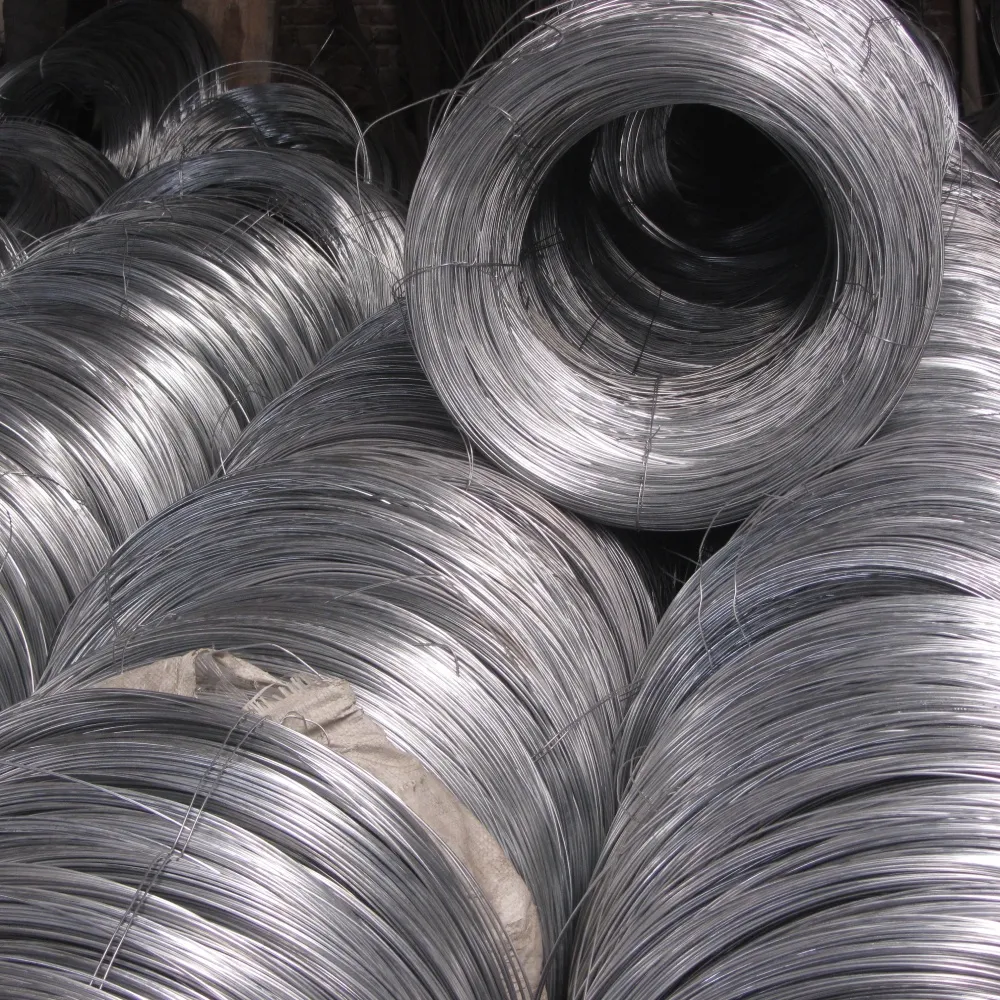
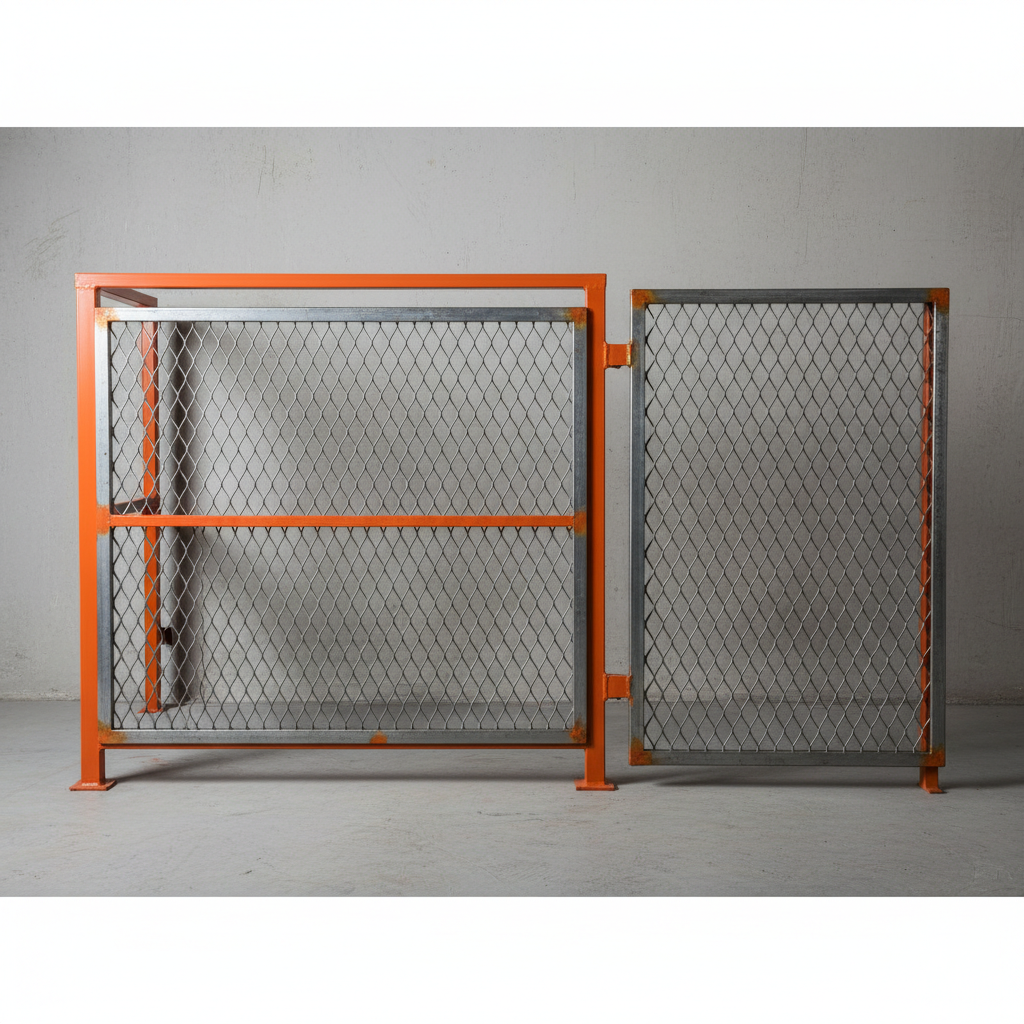
At its core, metal mesh for cabinets means a woven or welded metal grid that forms cabinet walls, doors, or shelving surfaces. Imagine finely interlaced steel or aluminum wires creating a robust netting inside or outside cabinetry. This mesh ensures strength but lets air, light, and sometimes water pass through. It’s found in everything from industrial-grade lockers to specialized storage in hospitals or electronics facilities.
More than just storage, metal mesh cabinets also contribute to hygiene and safety; airflow prevents mold and corrosion, and see-through meshes make inventory inspections quicker without opening doors. Modern industry values these features highly, especially in sectors like pharmaceuticals or food processing where contamination risks are a concern.
Steel and aluminum meshes are hard-wearing, resisting dents and rust if properly coated. This longevity means fewer replacements and lower lifecycle costs.
The open design promotes natural airflow, crucial for heat dissipation and moisture control, which is vital in electronics or chemical storage.
Metal mesh allows visual inspection without compromising security—important for restricted access areas. Mesh openings can be sized to deter tampering while maintaining visibility.
Compared to solid steel panels, mesh sheets use less raw material, often reducing costs and weight. It also facilitates modular designs that are cheaper to ship and install.
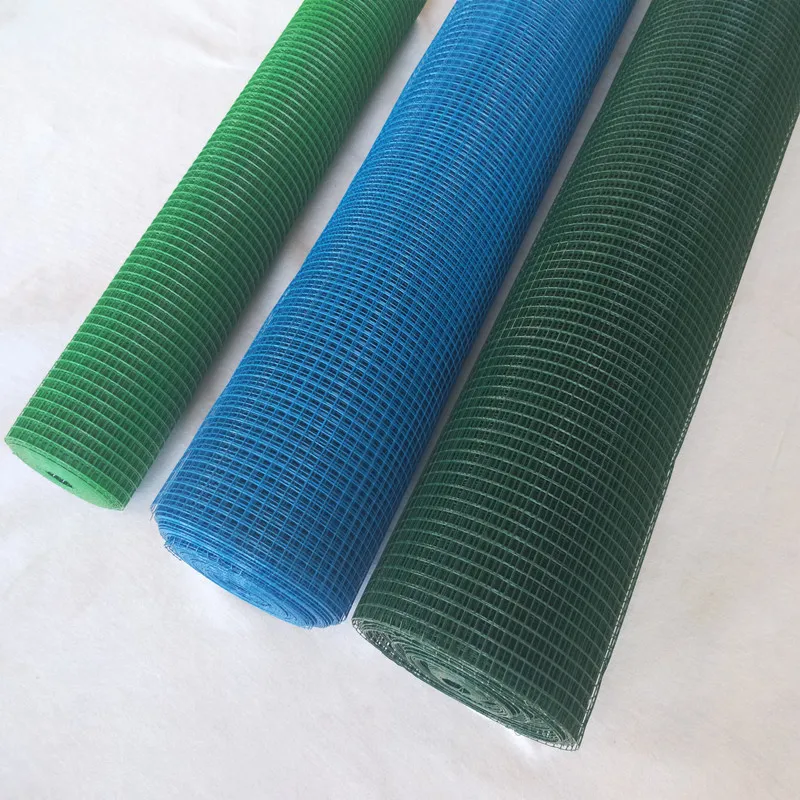
Manufacturers can tailor mesh size, metal type, and finish to fit specific needs—whether heavy industrial use or sleek architectural projects.
Metal mesh cabinets find broad use:
Metal mesh for cabinets is versatile enough to cross sectors—from dusty factories in Asia to emergency field hospitals in Africa.
Let’s talk benefits:
| Specification | Typical Range | Notes |
|---|---|---|
| Material | Stainless Steel, Aluminum, Galvanized Steel | Corrosion resistance varies |
| Mesh Opening Size | 5mm–50mm | Smaller sizes for security; larger for ventilation |
| Wire Diameter | 0.8mm–3.0mm | Thicker wire improves strength |
| Finish | Powder Coating, Zinc Plating, Anodizing | Enhances durability and appearance |
| Weight per m² | 1.5–5.0 kg | Depends on wire thickness and mesh size |
| Supplier | Material Options | Customization | Lead Time | Sustainability Focus |
|---|---|---|---|---|
| TikeMetal | Stainless Steel, Aluminum | High (custom sizes & finishes) | 4-6 weeks | Recycled materials used |
| MetalFab Corp | Galvanized Steel | Moderate (standard meshes) | 2-4 weeks | Limited focus |
| Global Mesh Solutions | Stainless Steel, Composite Mesh | High (innovative materials) | 6-8 weeks | Strong sustainability programs |
Looking ahead, the metal mesh for cabinets space isn’t standing still. We see rising interest in composites—blending metal mesh with carbon fiber or polymers—to further cut weight while maintaining strength. These lighter materials could revolutionize cabinet portability, particularly for disaster relief or military uses.
Another innovation is digital integration: embedding sensors directly into metal mesh structures allows real-time monitoring of inventory conditions like temperature or humidity. With Industry 4.0 setups becoming the norm, smart cabinets might soon be a standard expectation.
And sustainability is growing ever-more central. Regulations worldwide push for greener manufacturing and recycling, encouraging vendors to use recycled metals and eco-friendly coatings.
Sure, metal mesh for cabinets has its limits. For one, mesh sizes must strike a balance—too large and security is compromised; too small and ventilation drops. Also, corrosion protection is critical, especially in humid or outdoor environments. Coatings or stainless steel usage solve this but can increase costs.
Plus, some applications require privacy, which mesh can make tricky. Innovations like adjustable mesh inserts or hybrid panels (solid with mesh sections) can offer a middle ground.
Experts recommend partnering with manufacturers familiar with your industry’s needs to customize mesh solutions smartly. In my experience, a tailored approach pays dividends in performance and cost-effectiveness.
A1: Metal mesh cabinets offer superior ventilation, visibility, and often lighter weight. This reduces moisture buildup and eases inventory checks, which solid panels don’t provide.
A2: With proper coatings and maintenance, metal mesh cabinets can last 10-20 years or more, depending on environment and usage.
A3: Yes, many are made from recyclable metals and can be recycled at end-of-life. Plus, lighter materials reduce shipping emissions, aligning with sustainability goals.
A4: Absolutely. Mesh size, metal type, finishes, and overall dimensions can all be tailored to specific industry or security requirements.
A5: Typically through established metalworking vendors or logistics firms experienced with industrial goods. Compliance with local trade and customs protocols is essential, as is ensuring certifications when needed.
So, whether you’re upgrading factory storage, outfitting a medical facility, or designing portable relief units, metal mesh for cabinets offers a blend of durability, ventilation, security, and adaptability. It’s an investment that pays off in efficiency, safety, and long-term value. Interested in exploring tailored metal mesh solutions? Visit our website: https://www.tikemetal.com to discover how we can help.
Quick takeaway: Metal mesh for cabinets revolutionizes storage by blending functionality with flexibility—perfect for a rapidly changing global industry landscape.
RELATED PRODUCTS





Top