Heavy duty steel grating is a crucial component in various industrial and commercial applications, providing safe and durable walking surfaces, ventilation, and drainage. This article explores the benefits, types, applications, and key considerations when choosing heavy duty steel grating. We will delve into its strengths and how Tikemetal provides high-quality solutions for your project needs. Investing in the right grating can significantly improve safety and efficiency in your operations.
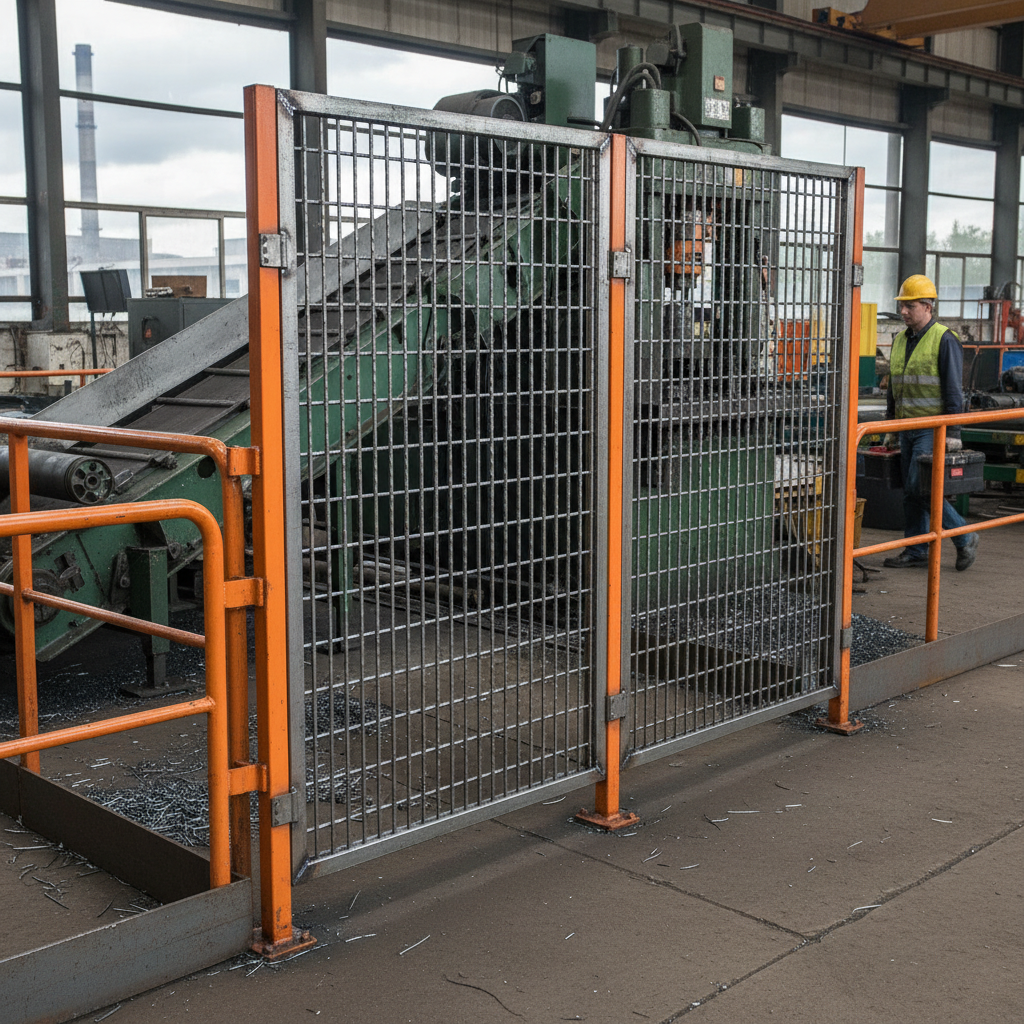
Heavy duty steel grating offers numerous advantages over traditional flooring materials. Its open grid design allows for the passage of light, air, and fluids, making it ideal for applications requiring ventilation and drainage. It's exceptionally strong and durable, capable of supporting heavy loads and resisting impact. Steel grating also boasts a long lifespan with minimal maintenance. Importantly, the slip-resistant surface enhances worker safety, reducing the risk of accidents. Furthermore, its relatively lightweight nature simplifies installation compared to solid flooring options. At Tikemetal, we specialize in crafting steel grating solutions that maximize these benefits for our clients.
Key Advantages: Exceptional strength, slip-resistant surface, minimal maintenance, long lifespan, excellent ventilation and drainage capabilities.
There are several types of heavy duty steel grating, each suited for specific applications. Welded steel grating is the most common type, created by resistance welding bearing bars and cross bars. This provides a strong, rigid structure. Swage-locked grating uses a pressure-locking method to join the bars, resulting in a smooth, flush surface. Riveted grating utilizes rivets to secure the bars, offering high strength and a more textured surface. Molded grating is a single-piece construction, providing excellent corrosion resistance and dimensional stability. Choosing the correct type depends on the load requirements, environmental conditions, and desired aesthetic.
Steel Grating Types:
• Welded Steel Grating: Cost-effective and widely used.
• Swage-Locked Grating: Smooth surface, ideal for foot traffic.
• Riveted Grating: High strength, textured surface.
• Molded Grating: Corrosion-resistant, single-piece construction.
The versatility of heavy duty steel grating makes it suitable for a diverse range of applications. Common uses include walkways and platforms in industrial facilities, stair treads, drainage covers, ventilation screens, and security barriers. It's widely used in oil and gas refineries, power plants, wastewater treatment facilities, and construction sites. Its strength and durability make it ideal for areas with heavy foot traffic or machinery. Tikemetal provides custom steel grating solutions tailored to the specific needs of each industry.
Selecting the appropriate heavy duty steel grating requires careful consideration of several factors. Load capacity is paramount – ensure the grating can safely support the anticipated weight. The environment plays a critical role; corrosive environments require galvanized or stainless steel grating. Bar spacing and height should be chosen based on the intended use – smaller spacing is safer for foot traffic. Furthermore, consider the installation requirements and available space. At Tikemetal, our experienced engineers can assist you in selecting the optimal grating solution for your specific application.
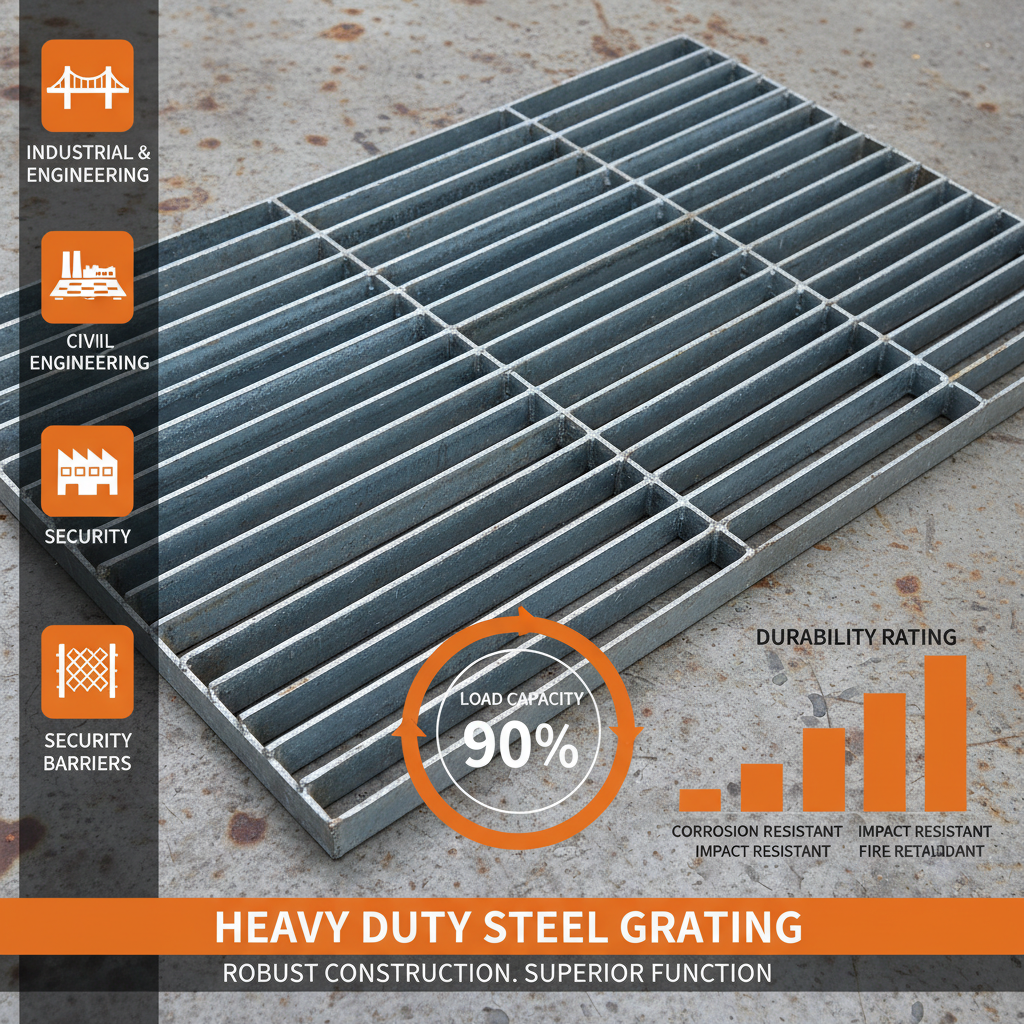
Heavy duty steel grating is typically manufactured from carbon steel, stainless steel, or aluminum. Carbon steel is the most common and cost-effective option, often coated with galvanization for corrosion protection. Stainless steel provides superior corrosion resistance, ideal for harsh environments. Aluminum is lightweight and corrosion-resistant, suitable for applications where weight is a concern. Tikemetal offers a range of materials and finishes to meet your specific requirements.
Choosing the right heavy duty steel grating is an investment in safety, durability, and long-term cost savings. Tikemetal offers a comprehensive range of high-quality grating solutions, expert engineering support, and reliable delivery. Contact us today to discuss your project needs and discover how we can help you create a safe and efficient working environment.
The load capacity of heavy duty steel grating varies depending on the material, bar spacing, and thickness. Generally, it can support loads ranging from 500 to 2000 pounds per square foot. However, it’s crucial to consult the manufacturer’s specifications and engineering data for the specific grating you are considering. Tikemetal provides detailed load capacity information for all our products.
Bar spacing should be determined based on the intended use. For walkways and platforms, a smaller bar spacing (e.g., 3/8 inch) is recommended to prevent heels from falling through. For ventilation or drainage applications, a larger bar spacing (e.g., 1 inch) may be sufficient. Consider the potential for objects to fall through the grating and any applicable safety regulations. Tikemetal’s team can advise you on the optimal bar spacing for your specific needs.
Steel grating requires minimal maintenance. Regular cleaning to remove dirt and debris is recommended. For galvanized grating, inspect periodically for any signs of corrosion and touch up damaged areas with zinc-rich paint. For stainless steel grating, occasional cleaning with a stainless steel cleaner will maintain its appearance. Proper installation and support are crucial to prevent damage and ensure long-term performance.
Yes, Tikemetal specializes in custom steel grating solutions. We can fabricate grating to your exact specifications, including size, shape, material, and finish. Our engineering team can work with you to design a grating solution that meets your unique requirements. Contact us today to discuss your custom project.
RELATED PRODUCTS





Top