Heavy Duty Expanded Metal is a key solution in the industry, specifically within sectors that demand strength, durability, and safety. This article explores how https://www.tikemetal.com supports professionals with durable, high-performance products, and explains why this product is an ideal choice for businesses in these sectors.
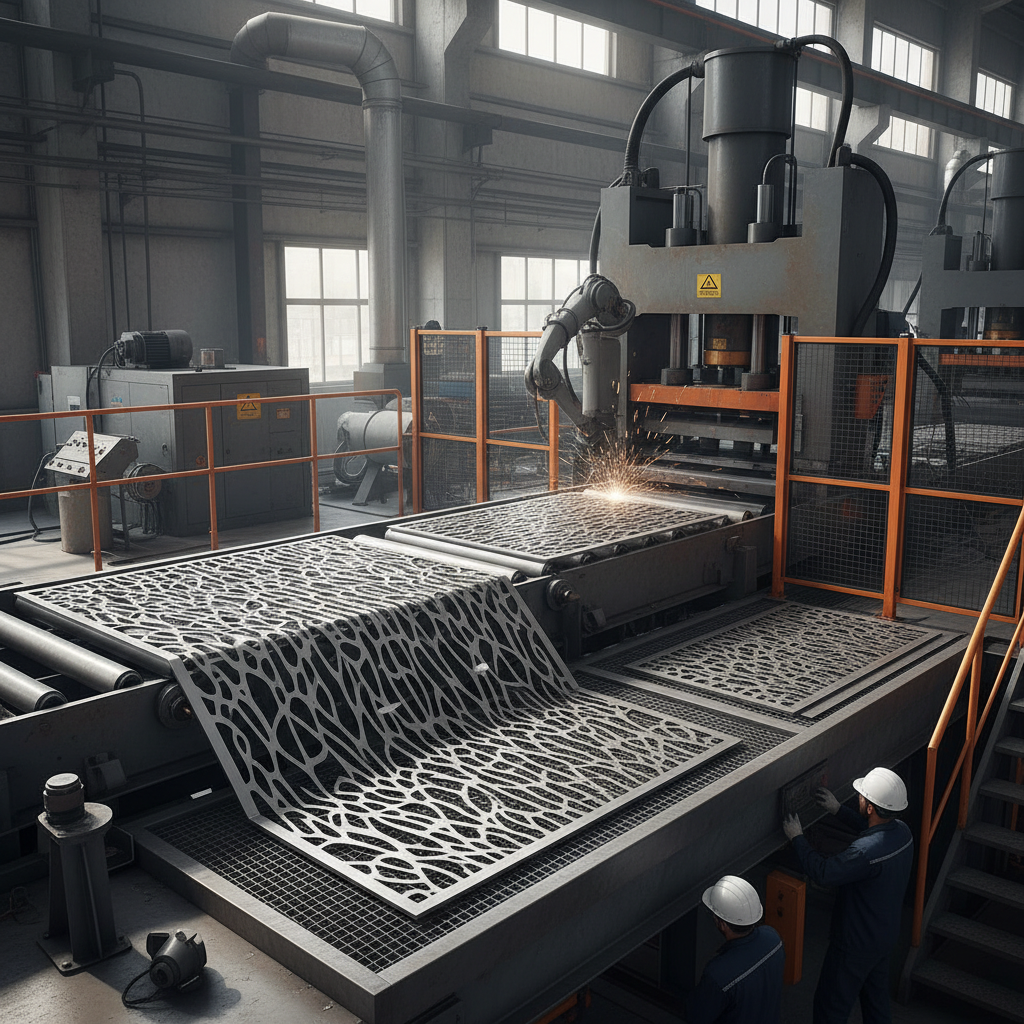
Heavy Duty Expanded Metal is essentially a sheet metal that’s been cut and stretched to form a diamond-shaped mesh pattern. Unlike traditional mesh products that are welded or woven, this method creates a rigid and durable surface without adding welds or joints where failure often starts. This product really shines in situations where both strength and weight matter. You see it everywhere from construction scaffolding to industrial partitions.
The technical specs vary depending on gauge and material — commonly mild steel, stainless steel, or aluminum — but to give you the flavor, a standard heavy duty expanded metal sheet might have a strand thickness between 4 to 10 millimeters and openings sized for maximum rigidity with minimal weight penalty. Oddly enough, many engineers I’ve spoken with emphasize how the uniform diamond pattern distributes loads better than flat panels, which helps avoid stress concentrations.
| Specification | Typical Range | Notes |
|---|---|---|
| Material | Carbon Steel, Stainless Steel, Aluminum | Depends on corrosion resistance needs |
| Strand Thickness | 4 – 10 mm | Affects strength & weight |
| Mesh Opening Size | 10 – 50 mm (diamond pattern) | Optimizes airflow and visibility |
| Sheet Thickness | 1.5 – 6 mm | Varies by load requirements |
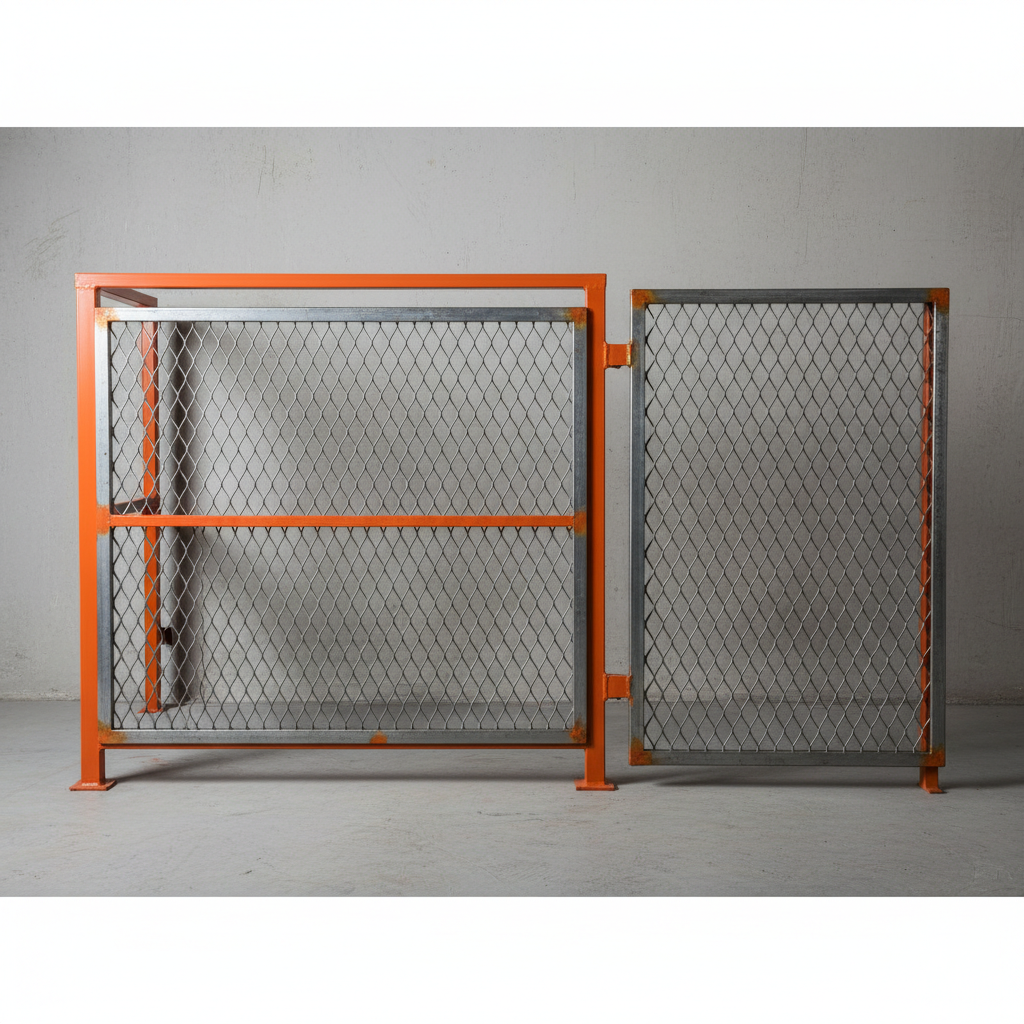
So why do businesses across industries turn to heavy duty expanded metal? Frankly, it’s a mix of strength, versatility, and cost-effectiveness. In construction, it’s regularly used for walkways, machine guards, and reinforcement due to its impressive load-bearing properties combined with ease of installation. In mining or energy plants, it helps improve site safety with durable barriers that also allow airflow and light.
One notable feature is how expanded metal reduces waste — because the material is literally cut and stretched, there’s no scrap left behind during production. This makes it an environmentally friendlier option than sheet metal that’s punched or laser-cut. Many customers at tikemetal.com appreciate the customizable patterns and finishes, which are perfect to meet specific safety codes or aesthetic design needs. Plus, the diamond mesh offers anti-slip properties, critical in industrial flooring applications.
From a total cost of ownership standpoint, heavy duty expanded metal often comes out ahead. It’s relatively affordable upfront, but where it really scores is low maintenance and longevity. You won’t see as many repairs compared to welded wire meshes or other panel systems prone to corrosion at joints. I suppose this is why ROI over several years typically beats traditional metal options.
Customer feedback from industrial clients often mentions the ease of cleaning — a big deal in food processing or chemical plants where hygiene and contamination control matter. Naturally, when you select galvanized or stainless steel variants from suppliers like tikemetal.com, corrosion resistance improves significantly, extending lifespan even in harsh environments.
| Vendor | Product Quality | Pricing | Lead Time | Customization |
|---|---|---|---|---|
| Tikemetal.com | High (ISO certified) | Competitive | 2–4 weeks | Extensive options |
| Competitor A | Medium | Lower | 3–5 weeks | Limited |
| Competitor B | High | Higher | 1–3 weeks | Moderate |
Sustainability is increasingly on everyone’s mind — and heavy duty expanded metal fits in quite well here. Since it’s made from a single sheet with no waste from cutting, it naturally reduces material loss. Plus, with many products crafted in recyclable steel types, companies can close the recycling loop easily at end-of-life.
The market demand for these materials is expected to grow, driven by stricter safety regulations and expanding industries like renewable energy, where robust yet lightweight materials are crucial. Companies like tikemetal.com consistently invest in new production tech to improve yield and sustainability metrics, which I find promising.
In sum, heavy duty expanded metal stands out as a reliable, versatile material with strong industrial applications. Its design inherently optimizes strength-to-weight ratio while offering environmental benefits like less scrap and recyclability. For B2B decision makers looking for durable, cost-effective infrastructure components, it’s well worth a closer look. Visit our website: https://www.tikemetal.com to explore their full range and technical support.
Reflecting on this, it’s clear how engineering solutions like this quietly underpin so much of our built environment — robust, often unnoticed, but critical.
RELATED PRODUCTS





Top