Garden mesh metal might sound like a niche product, but it plays a surprisingly big role in outdoor spaces, agriculture, and even construction worldwide. As urban gardens, sustainable farming, and smart landscaping grow in importance, knowing the ins and outs of garden mesh metal becomes increasingly valuable. It’s not just about keeping critters out or supporting climbing plants — rather, it’s a smart, durable, and customizable tool that helps solve a variety of global challenges connected to environmental stewardship and modern garden management.
From community gardens in New York City to rooftop farms in Tokyo, garden mesh metal is making an impact. According to ISO standards on metal durability and environmental compliance, materials used in garden mesh today are designed to last decades with minimal environmental footprint. Globally, with climate change pressures and the push towards sustainable food production, garden mesh metals help farmers and gardeners protect crops from pests, reduce plastic waste by replacing synthetic netting, and enhance structural support for plants with minimal resources.
Still, challenges like corrosion in humid climates or limited recyclability in some metal meshes persist — and that’s where innovation and informed choices come into play.
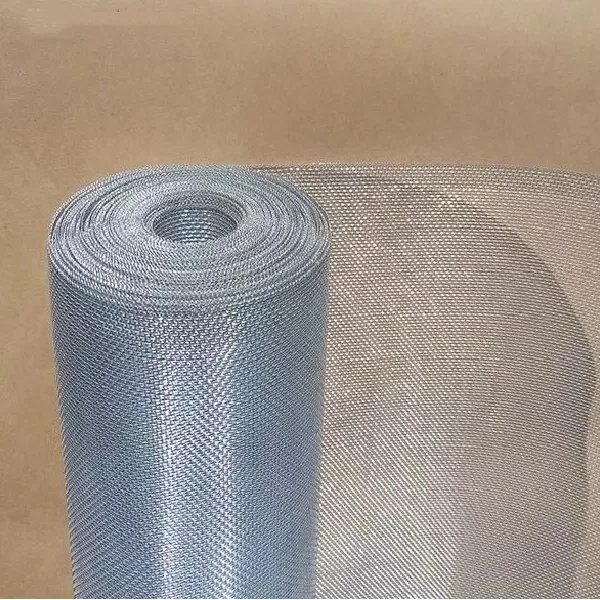
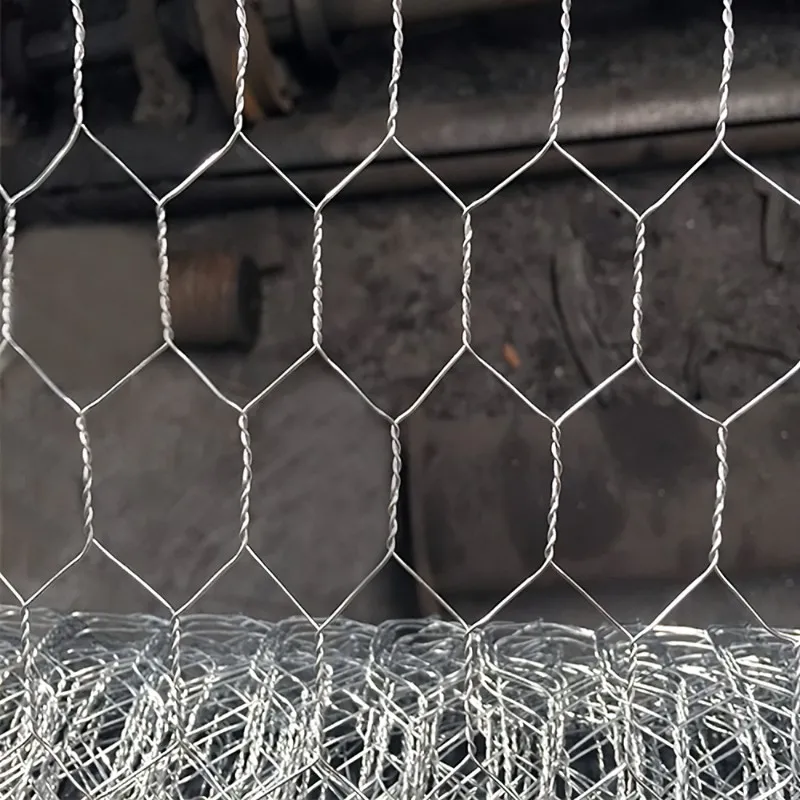
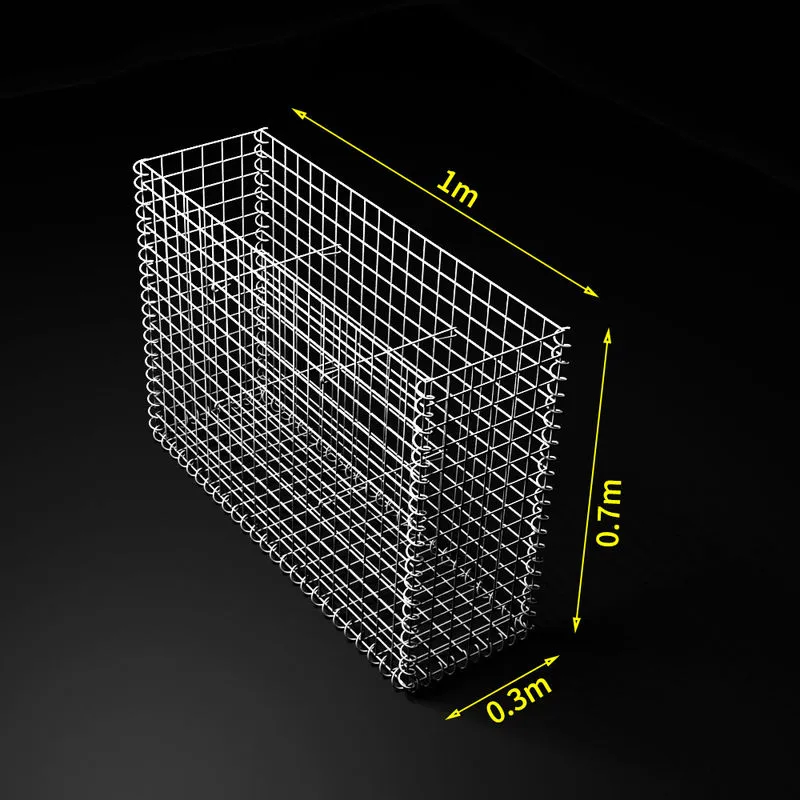
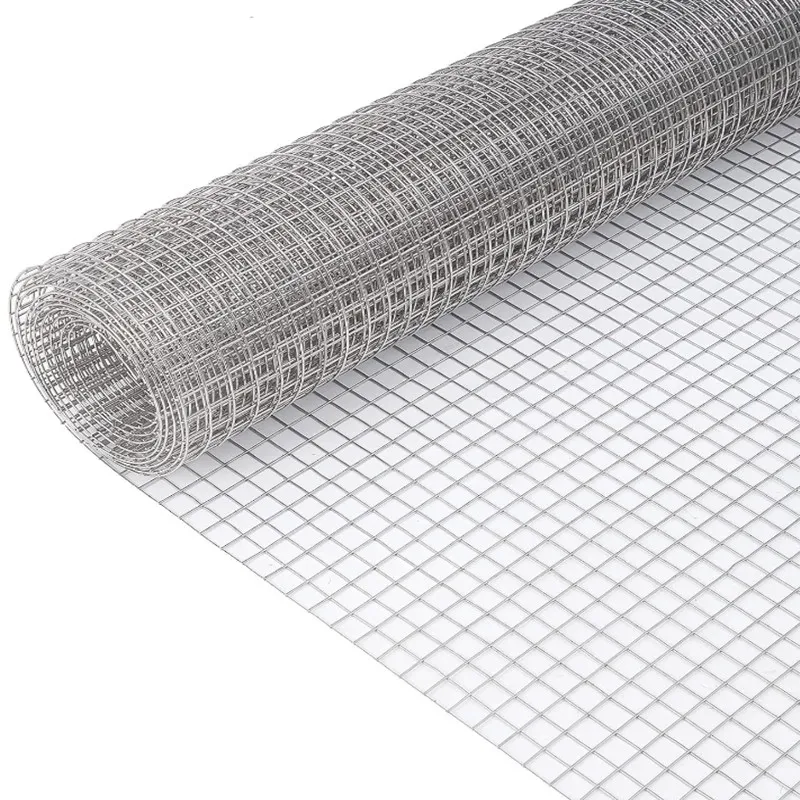
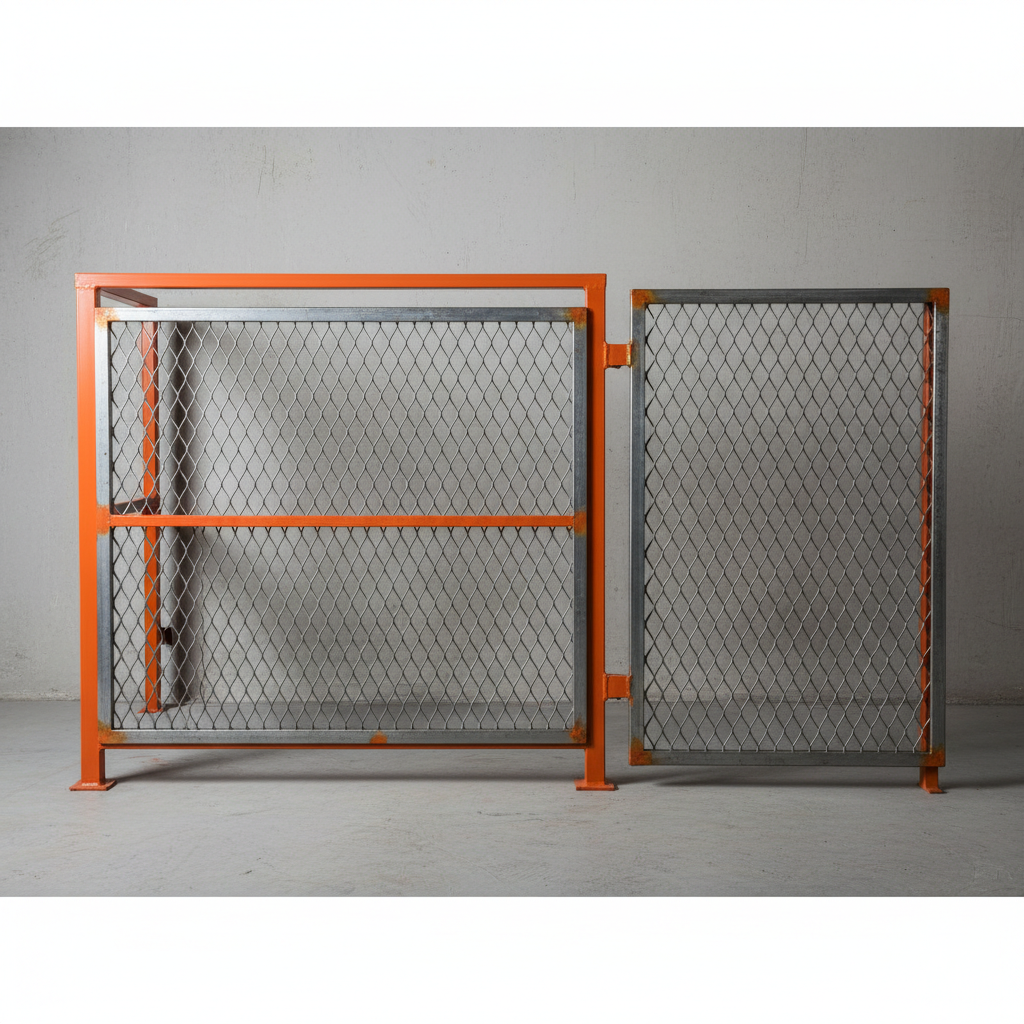
Essentially, garden mesh metal is a woven or welded metal material designed with a grid-like pattern. It’s used outdoors for fencing, plant support, animal containment, and erosion control. Made often from galvanized steel or stainless steel, these meshes combine strength with flexibility. You can think of garden mesh metal as the skeletal framework that helps gardens flourish by protecting and structuring them.
In humanitarian and industrial settings, this metal mesh adapts for temporary fencing, shelving, or even modular protective panels. Its versatility strikes a chord with sustainable design principles by offering long-term usability and recyclability — key components in modern environmental strategies.
Resisting weather, rust, and physical damage is crucial, especially outdoors. Quality garden mesh metals undergo galvanization or powder coating, boosting lifespan.
Mesh sizes and metal thicknesses can vary to fit a tiny personal garden or a large agricultural plot. Scaling projects is easier with modular mesh panels.
Compared to plastic or wood fencing, metal mesh lasts longer — often years more. That reduces replacement costs and minimizes waste.
Metals like aluminum and steel are recyclable, so when the mesh finally needs replacement, it doesn’t add to landfill burden.
Fine mesh can keep out pests and rodents without harming them, and robust panels secure larger areas from intrusions — important for community gardens or farms near urban areas.
Mini Takeaway: When choosing garden mesh metal, weigh durability, size options, cost, environmental impact, and security to match your specific needs.
Oddly enough, garden mesh metal is everywhere, often underappreciated:
And frankly, despite its apparent simplicity, this metal mesh often bridges the gap between traditional gardening and high-tech, sustainable agriculture.
Beyond the obvious physical strength, garden mesh metal brings peace of mind: You protect what matters with minimal maintenance. It feels like an investment in future harvests and healthier ecosystems.
Environmental benefits: Reducing reliance on plastics and chemically treated woods supports cleaner soils and waterways.
Social impact: Secure gardens encourage community engagement, neighborhood beautification, and even educational programs about ecology.
Cost-effectiveness: Though initial cost may be higher than cheaper materials, the lifecycle savings and recyclability make metal mesh economically smart long term.
| Feature | Specification |
|---|---|
| Material | Galvanized steel / Stainless steel / Aluminum |
| Mesh Opening Size | 0.5" to 4" square (custom sizes available) |
| Metal Thickness | 0.5 mm to 3 mm |
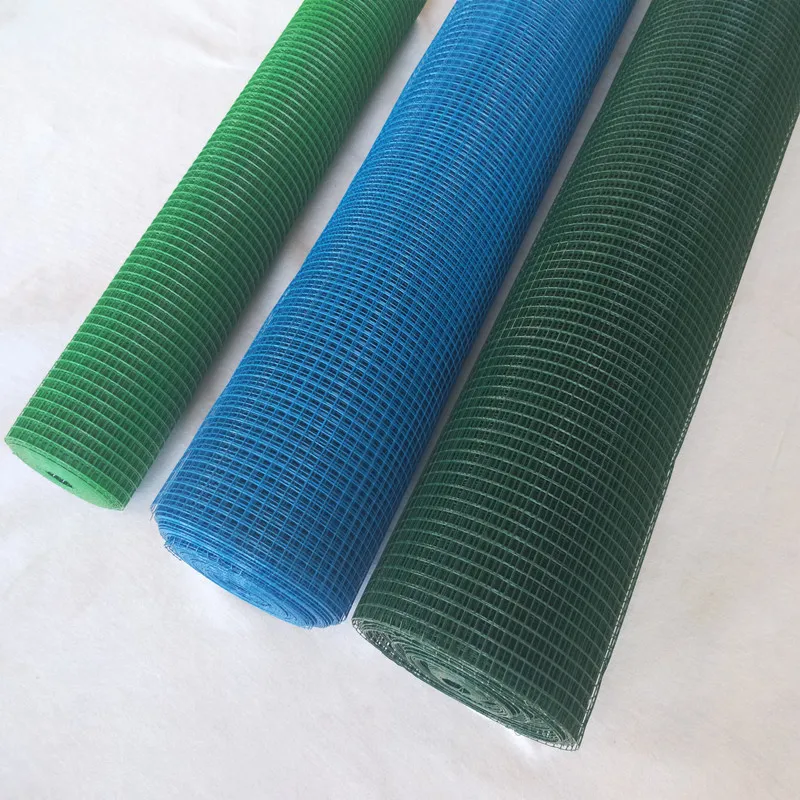
| Coating | Hot-Dip Galvanized / Powder Coated / PVC Coated |
| Standard Roll Length | 25 meters / 50 meters / Custom |
| Weight per sq.m. | Variable; approx. 2 - 5 kg depending on thickness |
| Supplier | Material Quality | Customization | Pricing | Global Shipping |
|---|---|---|---|---|
| Tike Metal | High-grade galvanized steel | Custom mesh sizes & coatings | Competitive | Worldwide |
| GreenMesh Inc. | Stainless steel options only | Limited sizes | Premium pricing | North America & Europe |
| FarmNet Metals | Standard galvanized low carbon steel | Bulk orders only | Budget-friendly | Asia and Australia |
Garden mesh metal isn't standing still. Innovations in coatings to improve anti-corrosion qualities and reduce environmental toxins are emerging. Some manufacturers are exploring biodegradable composite coatings that retain metal strength but lessen environmental impact when disposed.
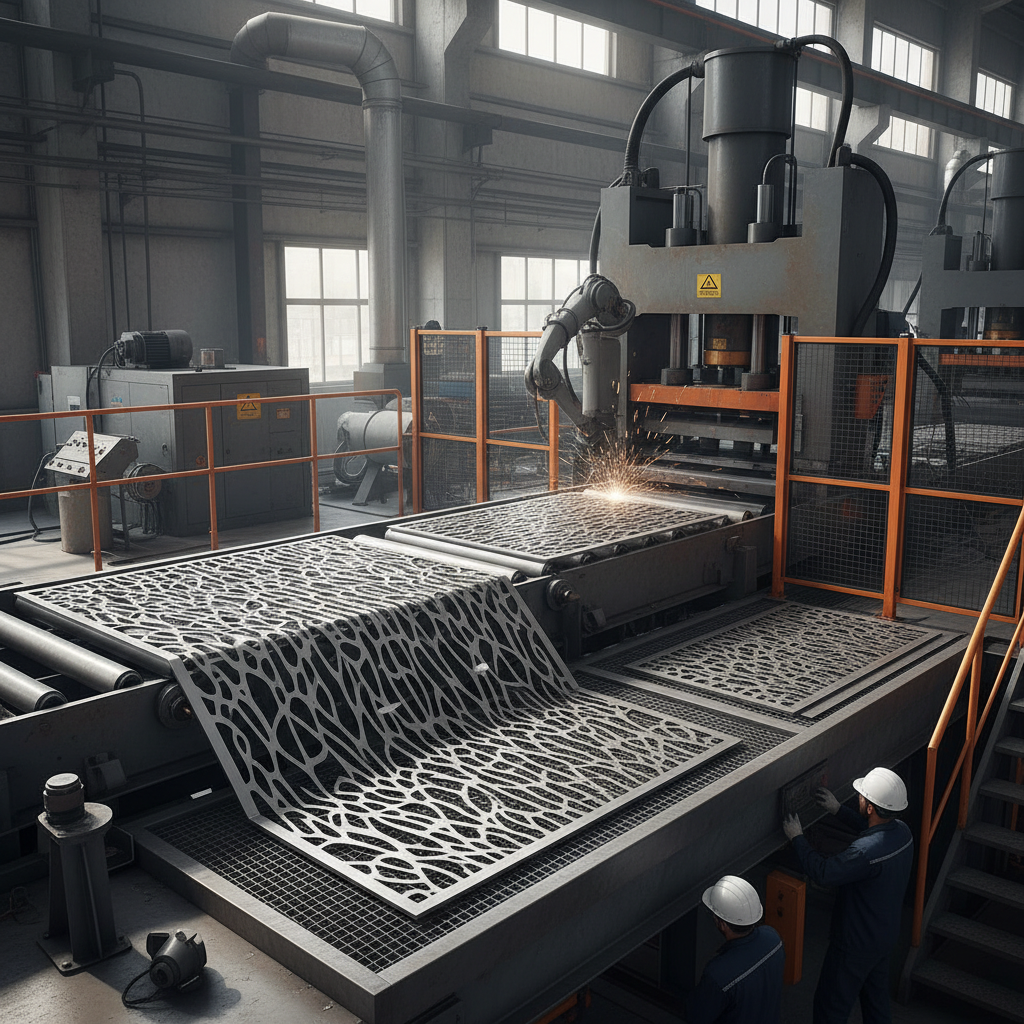
Automation and digital fabrication techniques allow for customized mesh patterns tailored exactly to plant growth patterns or pest control needs — an exciting leap for precision agriculture.
Additionally, the integration of sensor technologies (like moisture detection woven into support frameworks) might soon make garden mesh interactive, helping gardeners monitor soil and plant health remotely.
Corrosion and rust remain top concerns for garden mesh metal users, especially in tropical or coastal regions. Experts recommend selecting properly galvanized or stainless steel meshes and applying periodic protective coatings to extend usability.
Another issue is metal waste at end-of-life. Recycling infrastructures vary worldwide, so partnering with responsible suppliers committed to sustainable collection helps mitigate environmental risks.
Finally, too-thin mesh can be vulnerable to deformation or animal damage. Choosing products with tested durability ratings or reinforced edges prevents common failures.
Garden mesh metal combines practicality, longevity, and environmental responsibility in a way few garden products achieve. It safeguards plants, supports sustainable growth, and offers cost-effective solutions for a wide range of users — from hobbyists to professional farmers. Whether your garden is tiny or sprawling, urban or rural, recognizing the value of garden mesh metal could be a game-changer.
Explore more about selecting the right mesh and suppliers at garden mesh metal, where knowledgeable experts can guide your custom orders toward lasting success.
Ultimately, garden mesh metal offers a quiet kind of innovation — one woven into the fabric of growing food, building community, and nurturing the planet.
Final thought: Investing in quality mesh isn’t just about fences; it’s about foundation.
RELATED PRODUCTS





Top