Steel grating is a versatile and durable material used extensively in industrial, commercial, and architectural applications. Its open grid structure provides excellent strength-to-weight ratio, ventilation, and light transmission. However, not all steel gratings are created equal. Different types of steel grating are designed to meet specific load requirements, safety standards, and aesthetic preferences. This article will delve into the most common types, their applications, and key considerations when selecting the right grating for your project.
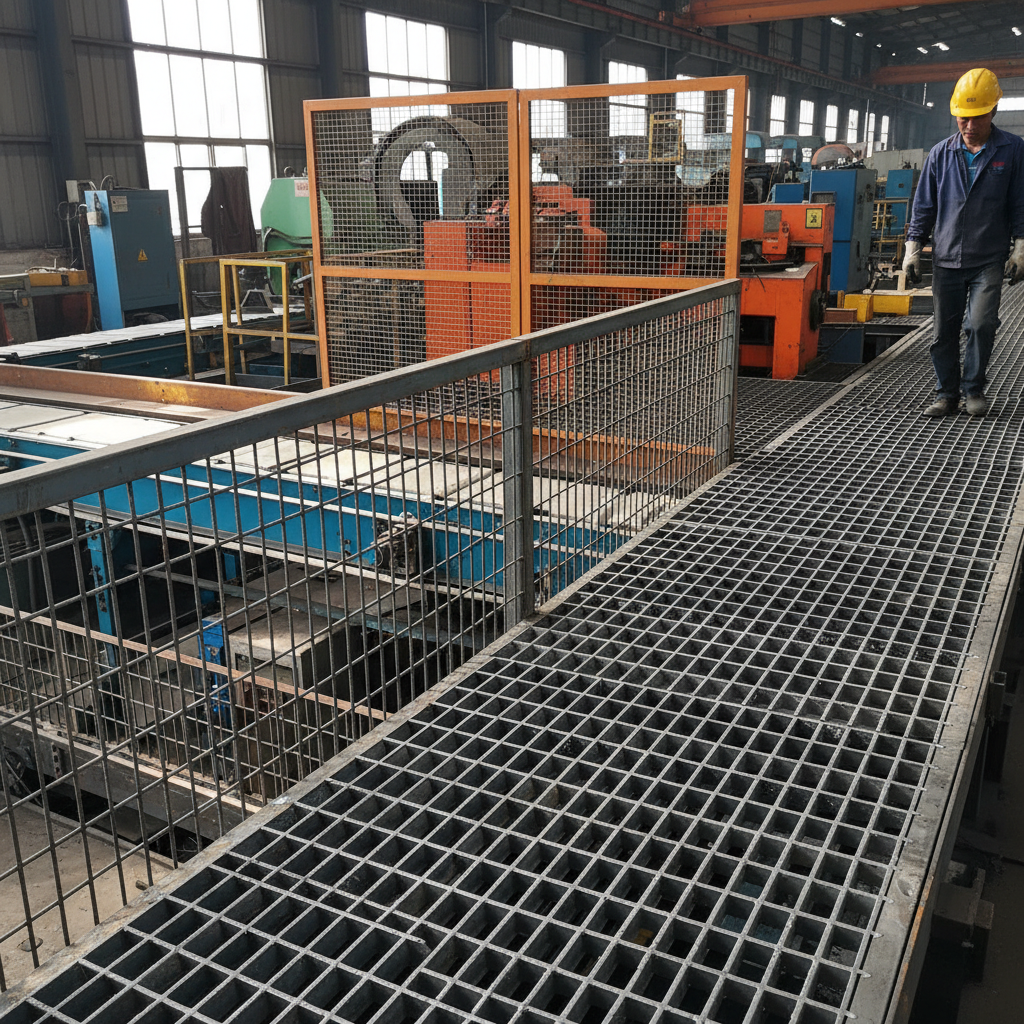
Welded steel grating is the most widely used type due to its cost-effectiveness and versatility. It's created by welding intersecting bars using an electric resistance welding process. This creates a strong, rigid panel ideal for flooring, walkways, stair treads, and platforms. Welded gratings are particularly suitable for applications requiring high load-bearing capacity and durability. They're commonly found in industrial plants, wastewater treatment facilities, and power generation stations. The inherent strength and robustness make it a reliable choice in harsh environments. Tikemetal offers a comprehensive range of welded steel grating options.
Key Highlights: Cost-effective, high load-bearing capacity, versatile applications, and suitable for harsh environments.
Riveted steel grating, a more traditional method, joins bars using aluminum or stainless steel rivets. While less common than welded grating, it offers excellent strength and durability, particularly in applications where corrosion is a major concern. The rivets act as a galvanic barrier, preventing rust from spreading between different metal components. Riveted gratings are often favored in architectural applications where aesthetics are important, as they can create a more refined appearance. However, the manufacturing process is generally more labor-intensive, leading to a higher cost compared to welded options.
Riveted Grating Benefits:
• Excellent corrosion resistance
• Durable and long-lasting
• Aesthetically pleasing appearance
• Suitable for architectural projects
Swage-locked grating utilizes a unique joining method where the cross bars are mechanically locked into the bearing bars under high pressure. This creates a strong, slip-resistant surface, making it ideal for walkways and platforms where safety is paramount. The swage-locking process eliminates the need for welding or riveting, resulting in a smooth, uniform surface with no protruding edges. This type of grating is often used in areas exposed to frequent foot traffic or wet conditions. Tikemetal provides swage-locked options with various load capacities.
Choosing the right type of steel grating depends on the specific requirements of your project. The following table provides a comparative overview of the key characteristics of each type:
The ideal application for each type of steel grating varies based on its properties. Welded steel grating is perfect for industrial flooring, machine guards, and ventilation covers. Riveted grating excels in architectural applications such as walkways, bridges, and facades. Swage-locked grating is often utilized for platforms, stairs, and areas requiring enhanced safety and slip resistance. Understanding these distinctions ensures you select the most effective grating for your specific needs.
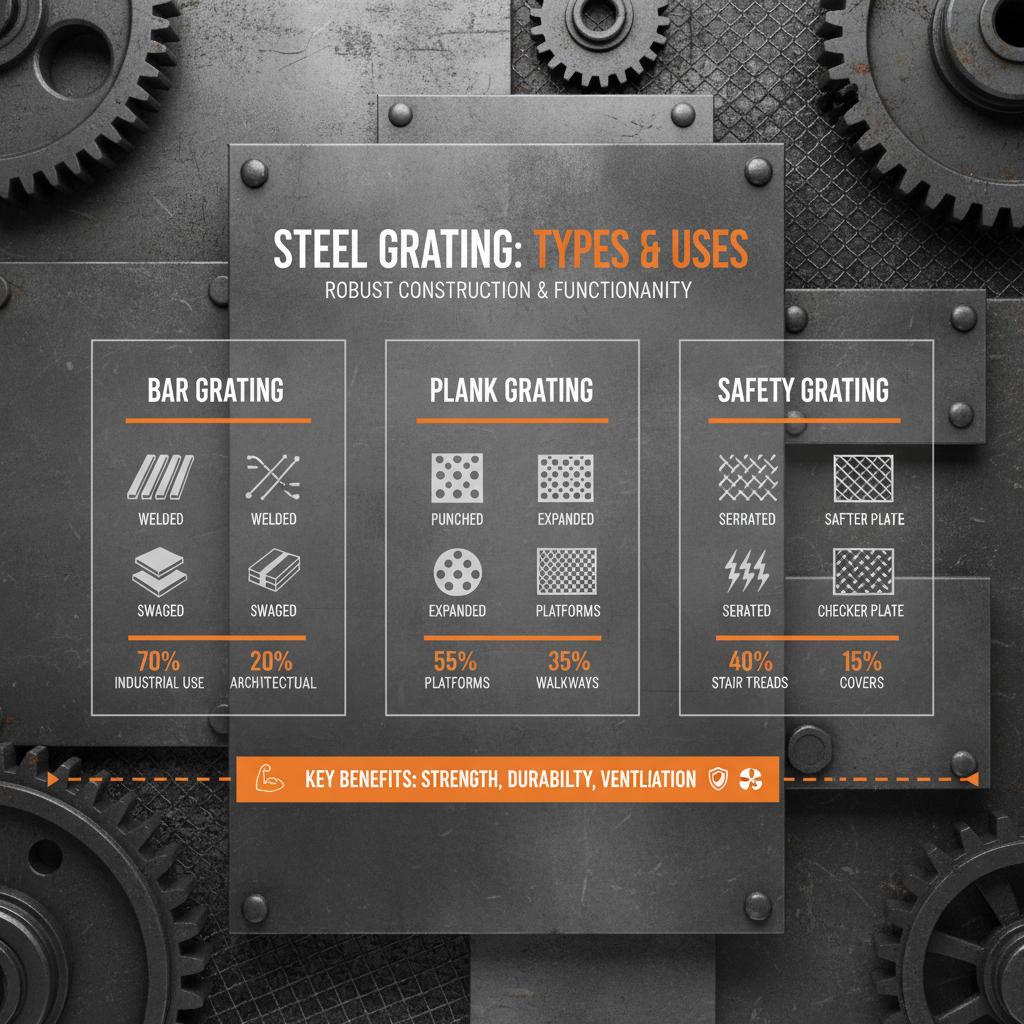
When selecting steel grating, consider factors such as load capacity, span requirements, corrosion resistance, and safety standards. It's crucial to determine the expected load and choose a grating with an appropriate load-bearing capacity. Also, assess the environmental conditions to determine the necessary level of corrosion protection. Finally, ensure the grating meets all relevant safety regulations and standards for your industry and location. Tikemetal's expert team can assist you in selecting the optimal grating solution for your project.
Understanding the different types of steel grating is crucial for ensuring safety, durability, and cost-effectiveness in your projects. By carefully considering your specific requirements and consulting with experienced professionals, you can select the optimal grating solution for your application. Don’t compromise on quality – choose a reputable supplier like Tikemetal for reliable performance and long-lasting value.
The lifespan of steel grating depends heavily on the environment and maintenance. With proper galvanization or other corrosion protection, steel grating can last for 25-50 years or even longer. Regular inspections and cleaning are crucial for identifying and addressing any signs of corrosion or damage. Avoiding exposure to harsh chemicals and saltwater can also significantly extend its lifespan. Proper installation, ensuring adequate support and avoiding excessive loads, is essential for long-term durability.
Galvanized steel grating is coated with a layer of zinc to protect against corrosion, making it a cost-effective option for many applications. Stainless steel grating, on the other hand, is manufactured from a stainless steel alloy, offering superior corrosion resistance, particularly in harsh environments like marine or chemical processing plants. While more expensive, stainless steel grating doesn’t require additional coatings and has a longer lifespan in corrosive conditions. The choice depends on the specific environmental factors and budget constraints.
Determining the correct load capacity requires considering both static and dynamic loads. Static loads include the weight of equipment and permanently installed items, while dynamic loads account for moving objects, people, and potential impact forces. Consulting with a structural engineer is recommended to accurately calculate the required load capacity and select a grating with an appropriate safety factor. Factors like span length and bar spacing also influence load-bearing capacity. Tikemetal's engineers can assist with these calculations.
RELATED PRODUCTS





Top