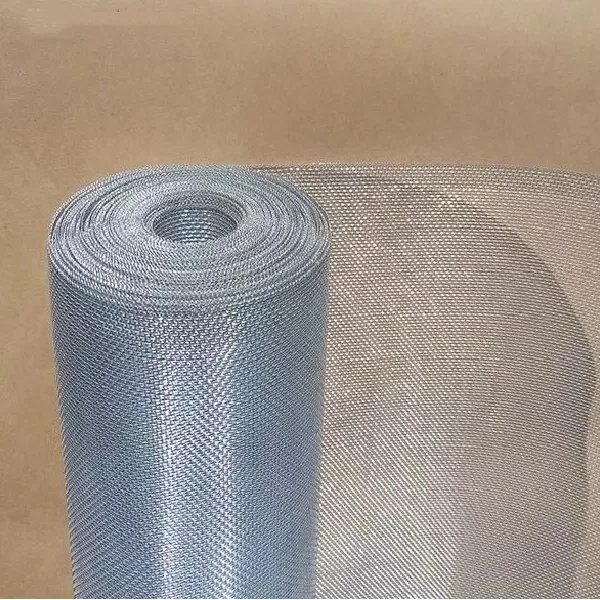
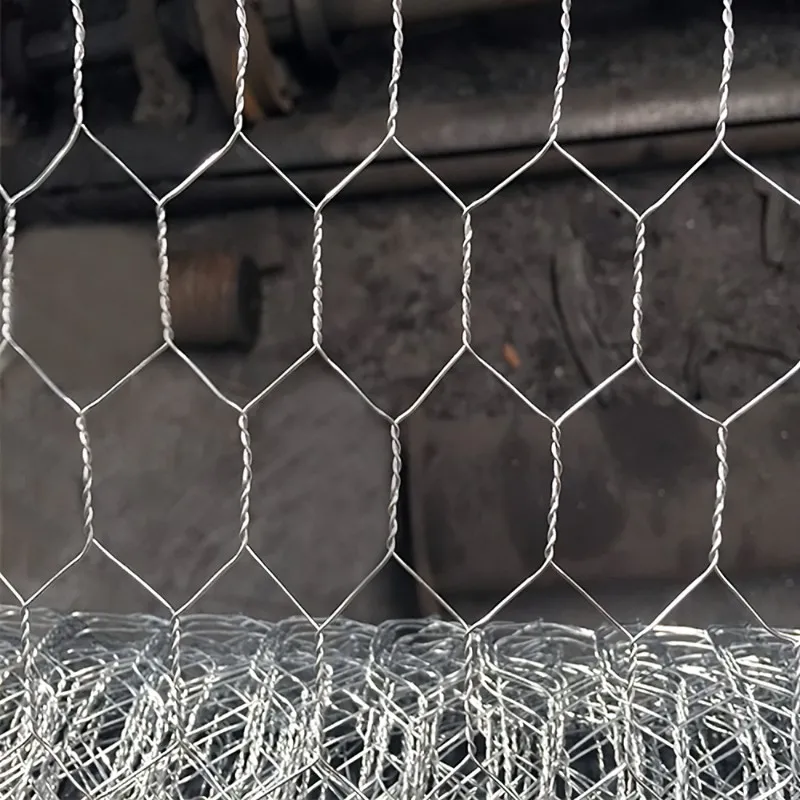
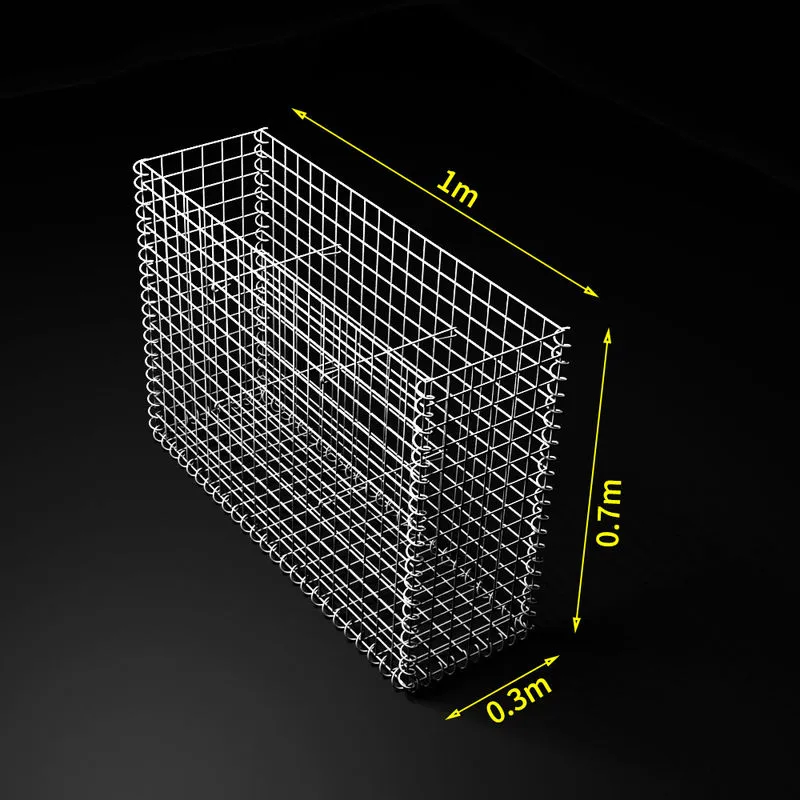
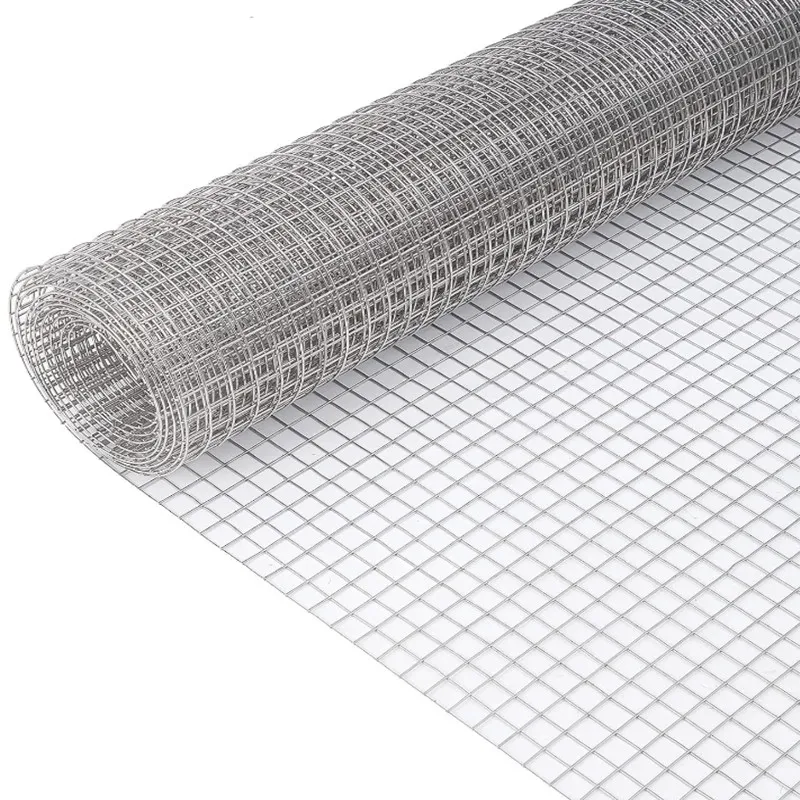
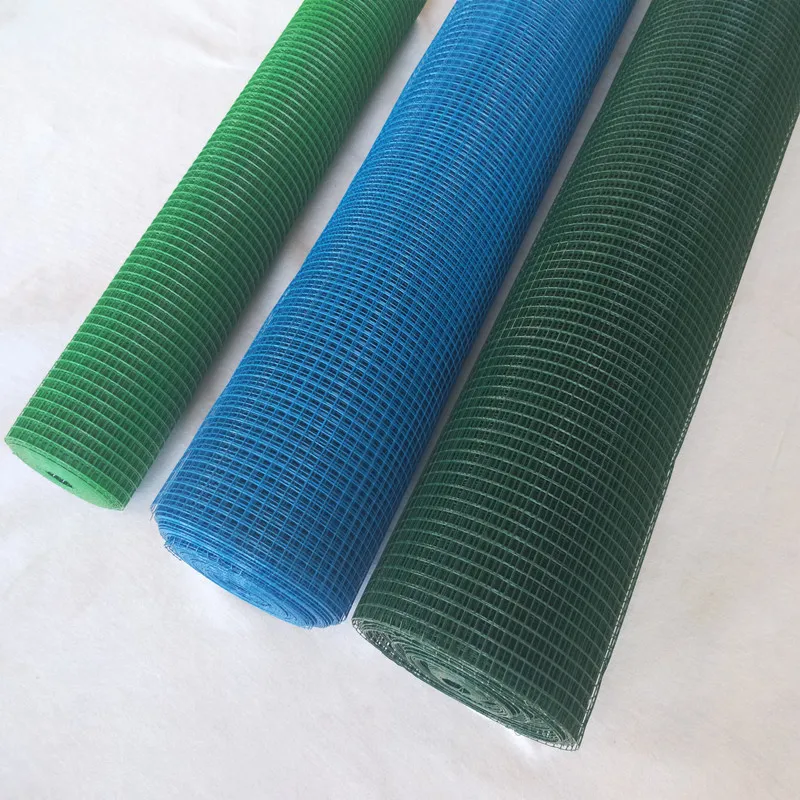
Expanded Mesh is a key solution in the industry, specifically within sectors like construction, manufacturing, and security fencing. This article explores how https://www.tikemetal.com supports professionals with durable, high-performance products, and explains why this product is an ideal choice for businesses in these sectors.
Expanded mesh might sound like a simple product at first glance — and sure, it is fundamentally metal sheets slit and stretched to form diamond-shaped openings — but in practice, it’s surprisingly versatile and crucial across various industries. You know when you see fencing, walkways, or ventilation grilles that need to combine strength with airflow or visibility? That’s where expanded mesh shines.
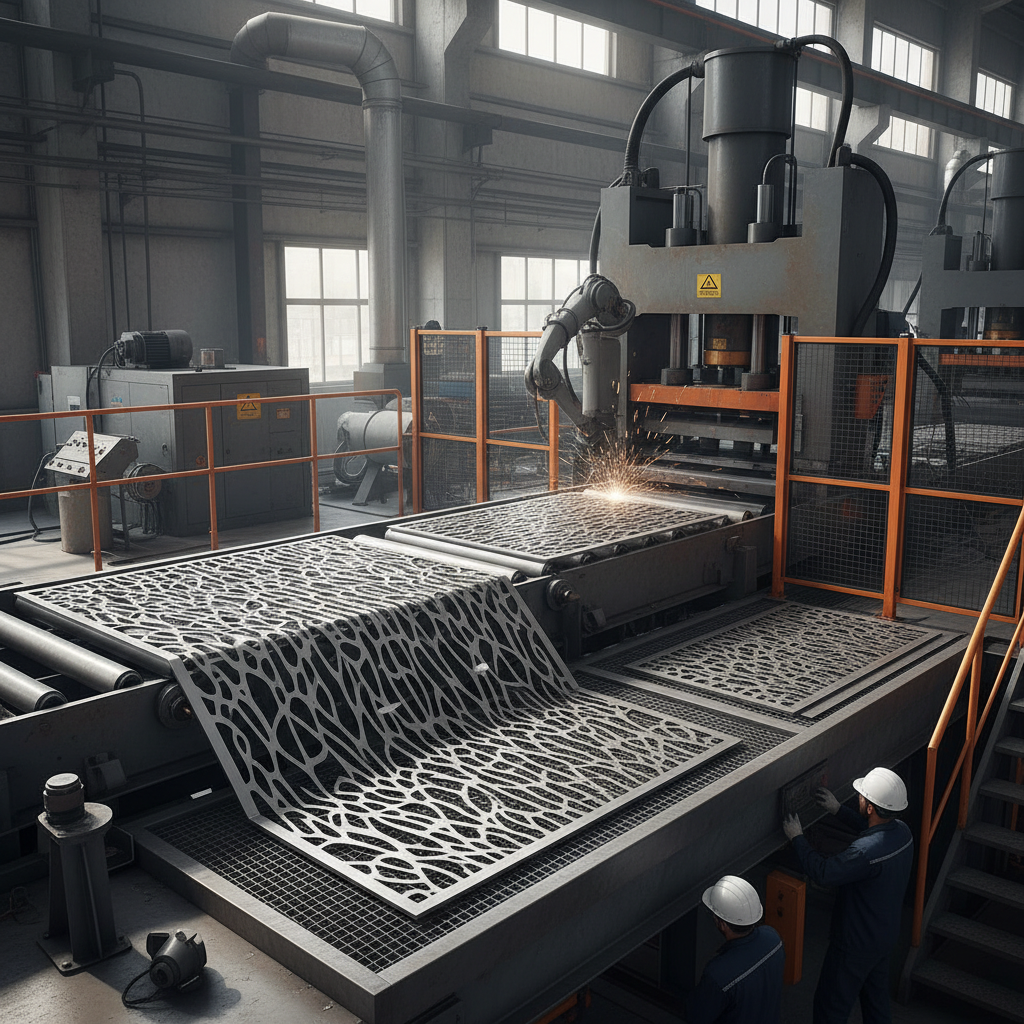
Technically, the process begins with a solid metal sheet, often steel or aluminum, which is simultaneously cut and stretched to produce a mesh pattern without losing any material (unlike woven wire mesh). This results in a strong but lightweight, rigid surface.
| Specification | Details |
|---|---|
| Material | Mild Steel, Stainless Steel, Aluminum |
| Thickness Range | 0.5 mm – 5.0 mm |
| Opening Size | From 5mm to 100mm (customizable) |
| Sheet Size | Up to 2m x 6m |
| Surface Finish | Galvanized, Powder Coated, Painted |
Tikemetal leverages its extensive manufacturing expertise to produce expanded mesh that meets strict quality controls suited for demanding industrial settings. I suppose many in the B2B world appreciate how consistent and customizable the products are — it’s the difference between a product that just “fits” and one engineered to anticipate wear and operational challenges.
Talking about benefits, expanded mesh scores high on several fronts. For one, it offers excellent strength-to-weight ratios. This means it’s both sturdy and lighter than most solid metal panels, which makes transportation and installation less burdensome. Oddly enough, the open diamond patterns facilitate airflow and light, which is essential for ventilation systems, safety guards, and even architectural applications.
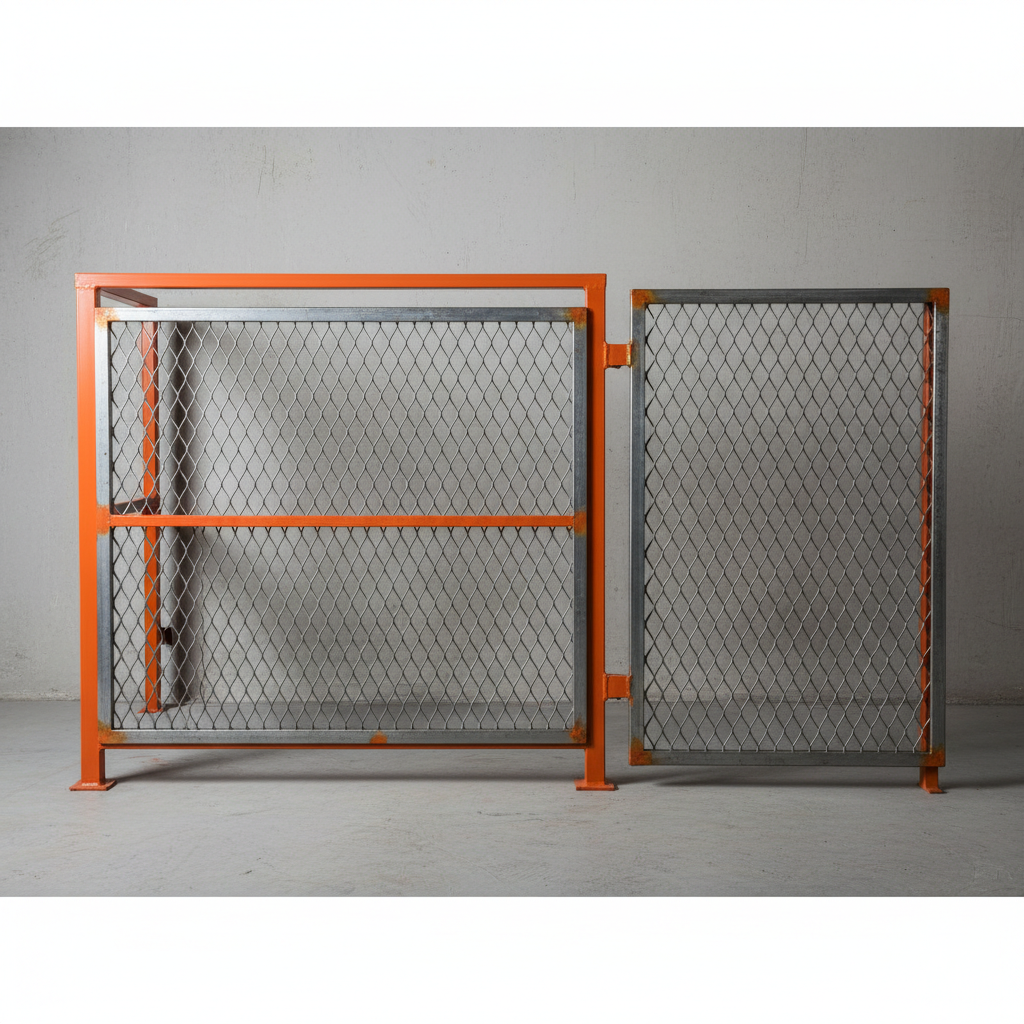
Industries ranging from civil engineering and mining to automotive and food processing have found expanded mesh incredibly useful. For instance, in construction, it’s common as reinforcement in concrete slabs or as a safety barrier on scaffolding. Manufacturing plants use it to create machine guards that literally let you see through to the equipment without compromising protection.
When it comes to cost, I’d say expanded mesh represents excellent value over time. Because the production process preserves the metal’s structural integrity without excessive welding or assembly, material waste is low, which helps keep purchase prices reasonable. Also, installation tends to be quicker, especially when panels are pre-cut or fabricated to precise dimensions.
As for maintenance, the product’s durability means less frequent replacements or repairs. Feedback from contractors and plant managers often highlights how the mesh resists deformation and corrosion, especially when properly coated. So, the total cost of ownership generally leans favorably compared to bulkier alternatives that may need more upkeep.
In real terms, several customers from the industrial automation sector have reported fewer downtime incidents attributed to equipment guard failures since switching to expanded mesh from Tikemetal. It’s sort of a subtle but meaningful advantage you don’t get with cheaper, lower-quality materials.
A growing factor in procurement decisions nowadays is sustainability — manufacturers and B2B buyers alike are pushing for more eco-friendly solutions. Expanded mesh fits this trend nicely. Since it’s made from solid metal sheets without additional fasteners or fillers, it’s fully recyclable at end-of-life. Plus, the manufacturing process used by companies like Tikemetal aims to optimize raw material use, lowering scrap rates.
Regulatory pressure around safety and environmental impact has also nudged industries toward adopting materials like expanded mesh, which meet modern standards for strength, durability, and recyclability. Market forecasts suggest the global metal mesh sector will keep growing steadily as urban infrastructure and industrial automation expand worldwide.
| Vendor | Material Quality | Customization Options | Lead Time | Environmental Certifications |
|---|---|---|---|---|
| Tikemetal | Premium-grade Steel & Aluminium | Highly Customizable | 2-3 weeks | ISO 14001 Certified |
| Competitor A | Standard Steel | Limited Sizes | 4-6 weeks | No Certification |
| Competitor B | Imported Aluminium | Moderate | 3-5 weeks | Partial Certification |
To sum it all up, expanded mesh is far more than just a metal grid. It’s a purpose-driven material that balances strength, flexibility, and cost-effectiveness in a way that few alternatives can match. Whether you deal with large infrastructure projects or precision machine guarding, this product delivers tangible ROI and reliability. I encourage all decision-makers looking for smart, efficient metal solutions to visit our website and explore their comprehensive range. It’s a small step toward smarter procurement.
RELATED PRODUCTS





Top