If you’ve ever been close to any sort of industrial operation — manufacturing, mining, filtration, or construction — you’ve likely crossed paths with wire mesh netting. Oddly enough, it’s one of those humble materials that doesn’t scream for attention but manages to be absolutely indispensable. After working in the industrial equipment sector for what feels like a lifetime, I’ve come to appreciate the quiet versatility and robust nature of this product.
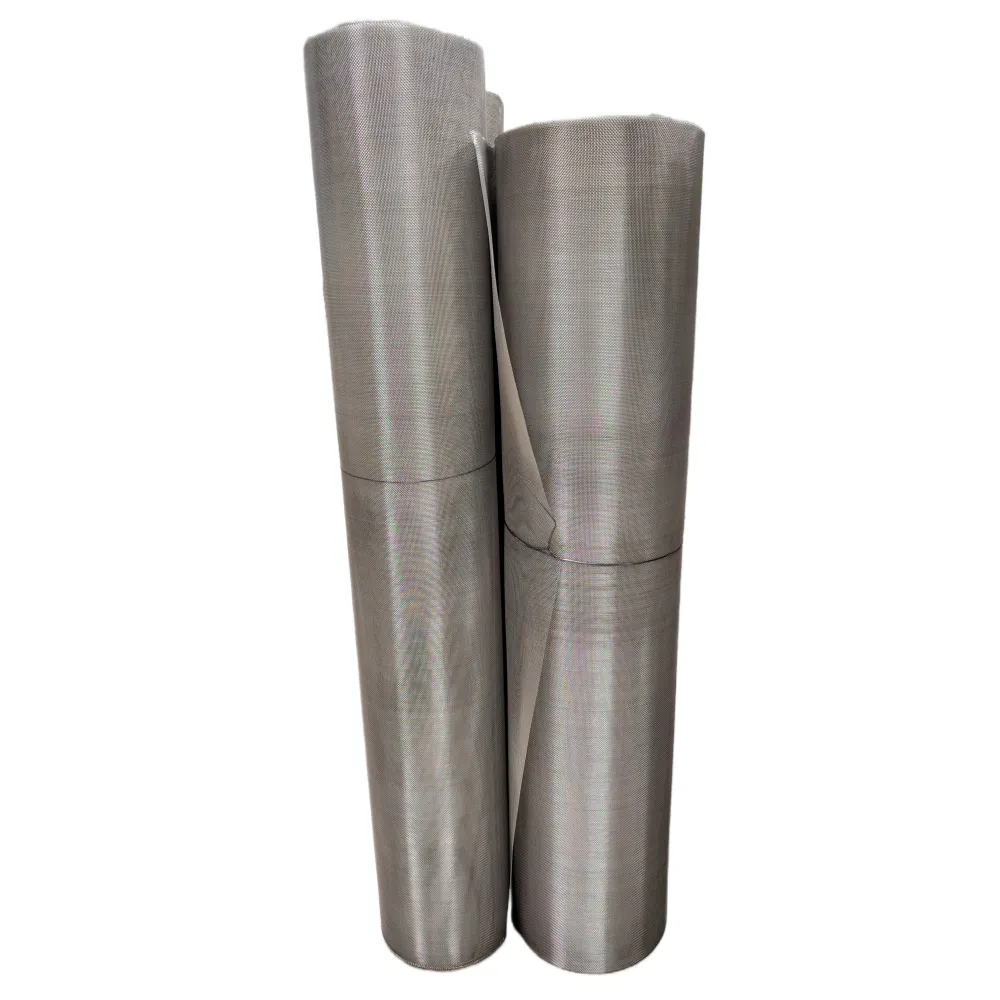
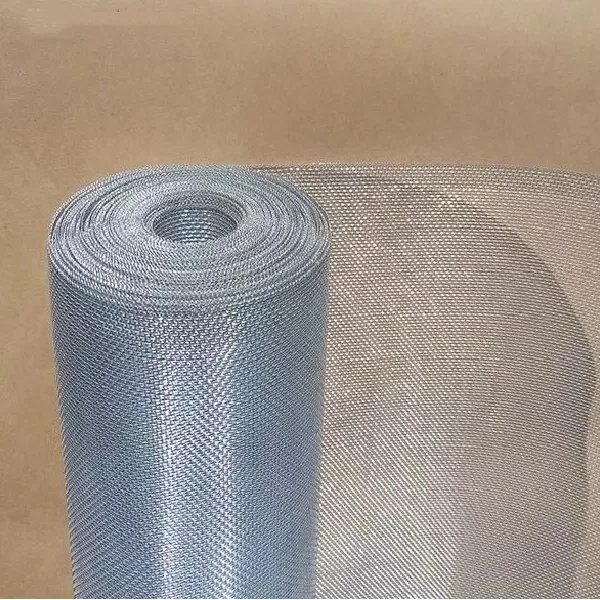
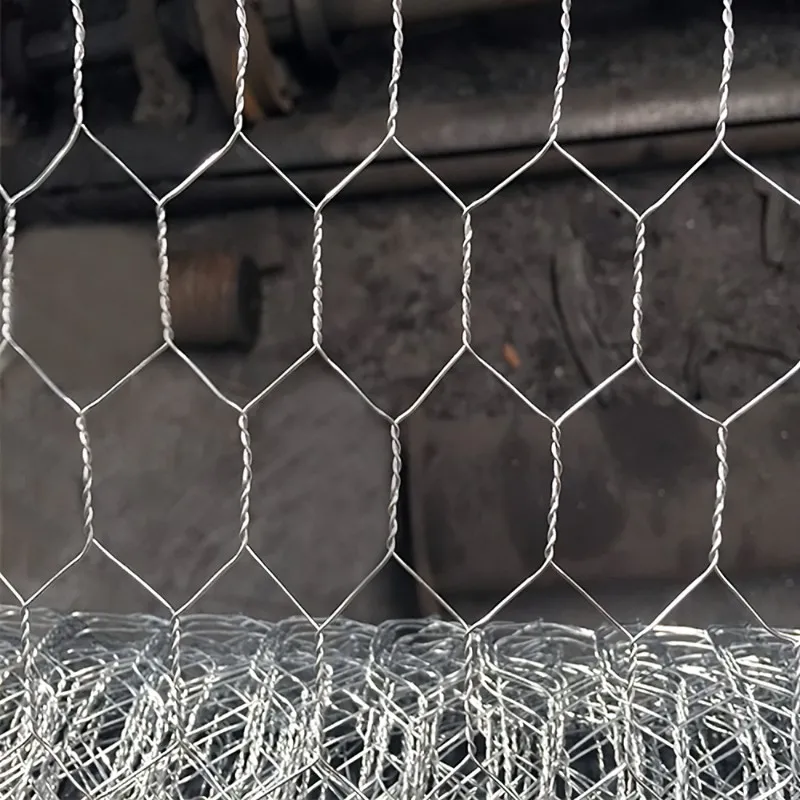
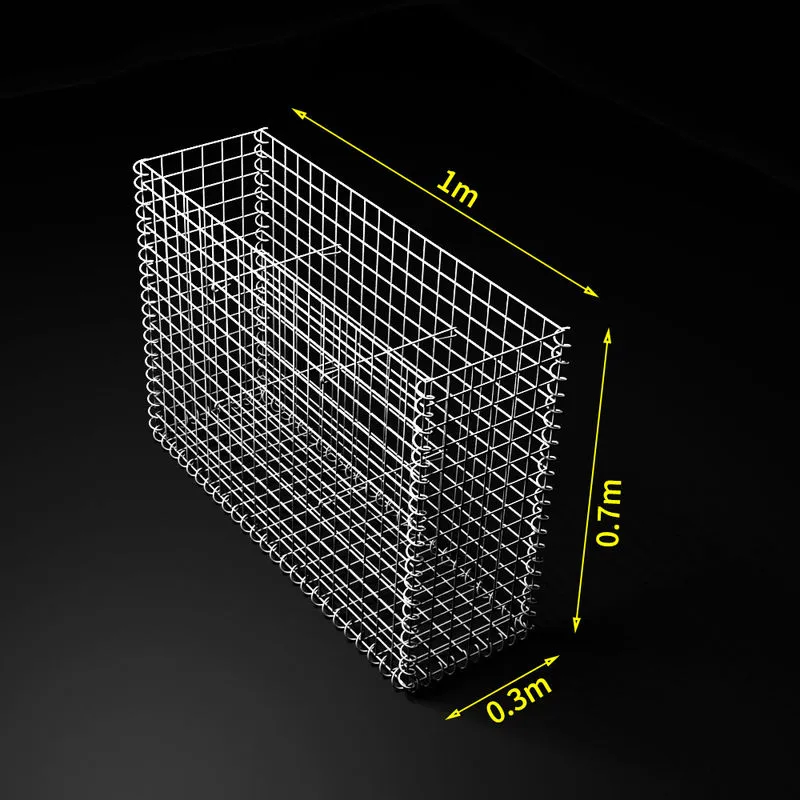
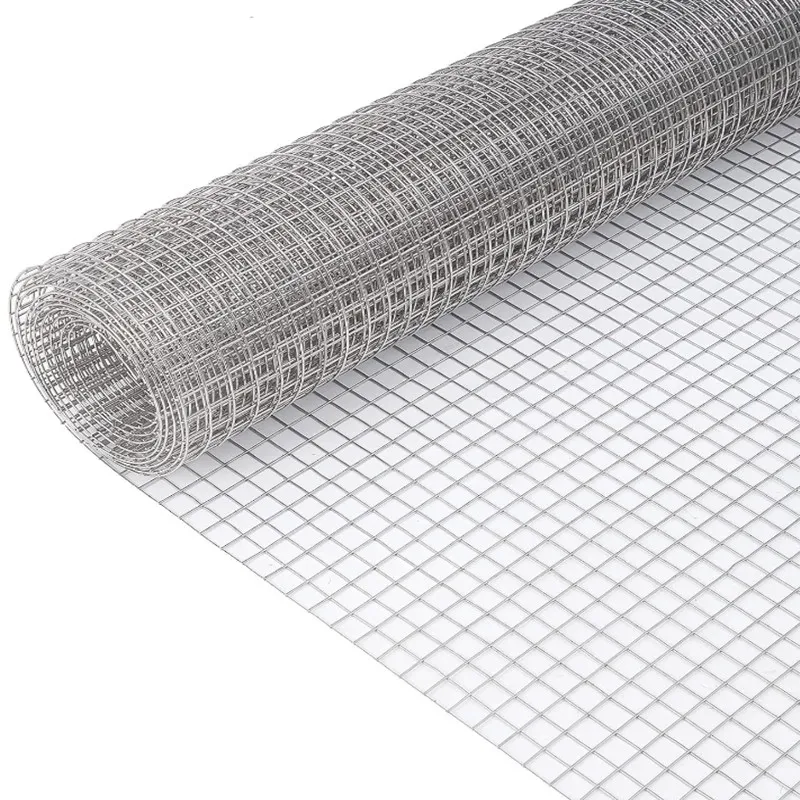
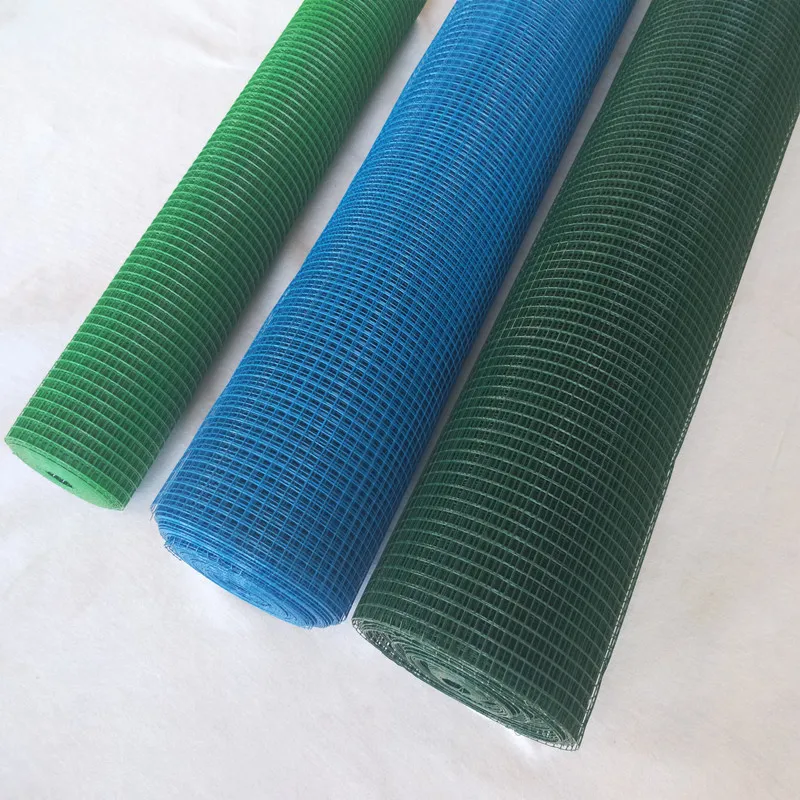
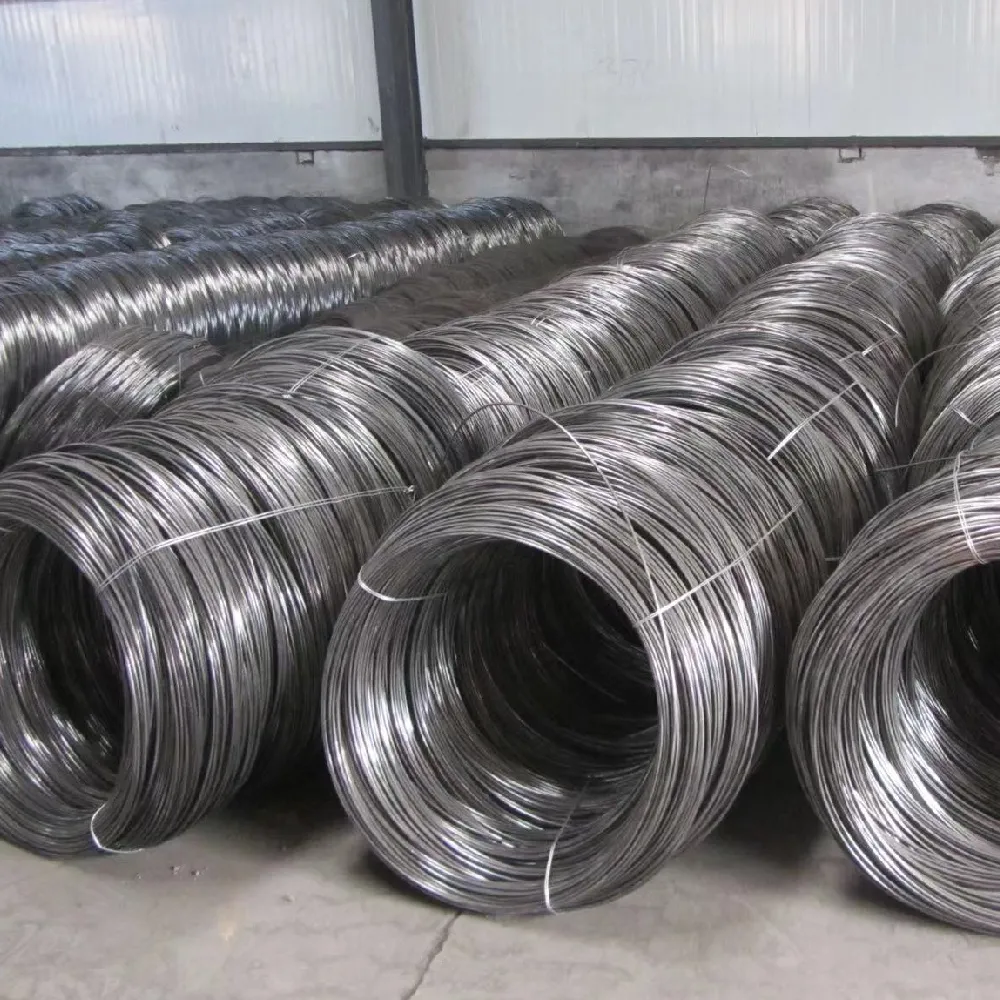
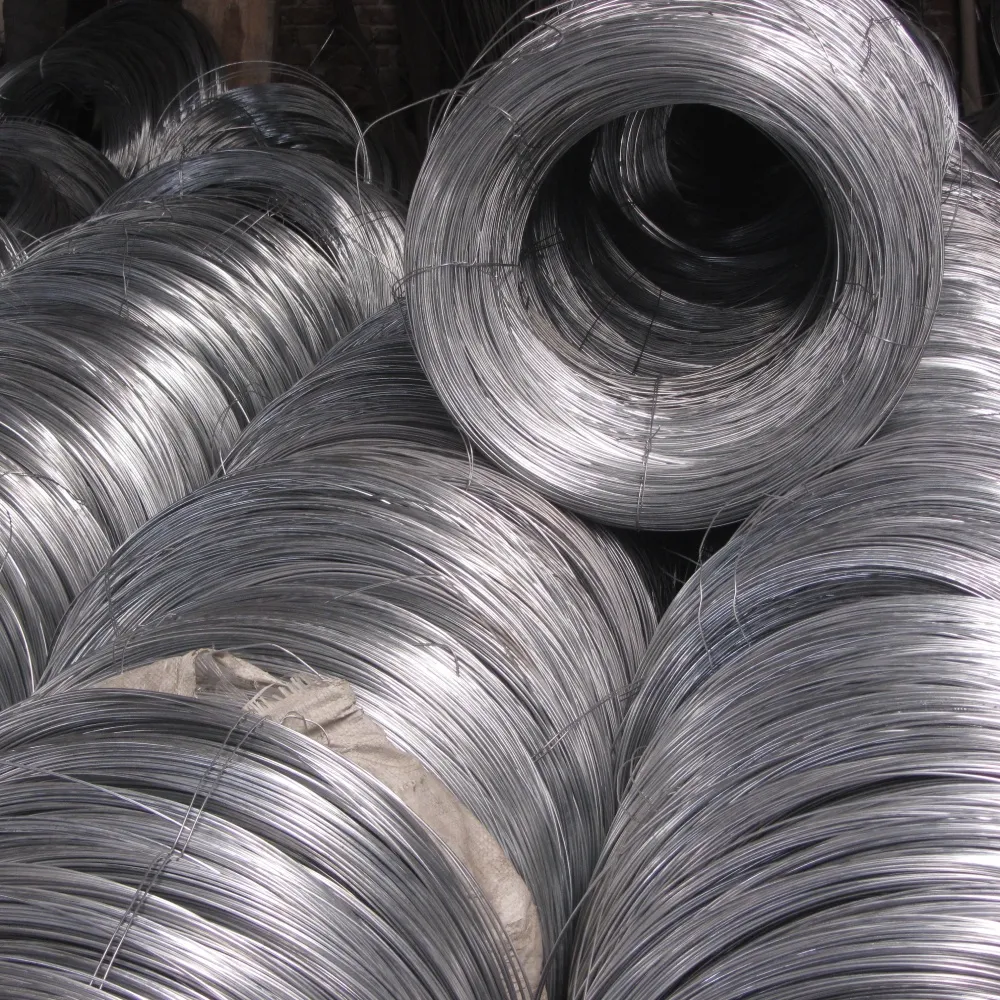
Wire mesh netting is essentially made by weaving or welding metal wires into a grid. It sounds straightforward, but in real terms, the design and material choices make all the difference. You’ve got everything from stainless steel to galvanized iron, differing wire diameters, mesh sizes, and surface finishes. The specs aren’t just numbers; they’re determining factors for durability, corrosion resistance, and load-bearing capacity.
I remember a project where one of our clients needed a custom mesh for a water filtration system operating under quite harsh chemical exposure. We opted for stainless steel with a finer gauge to meet their specs. The client was ecstatic — “this mesh not only lasts longer but also improves filtration efficiency,” they told me later on. It’s small victories like that which remind you how crucial this product is.
| Specification | Details |
|---|---|
| Material Types | Stainless Steel, Galvanized Steel, Aluminum |
| Mesh Size (Aperture) | 0.5 mm up to 50 mm |
| Wire Diameter | 0.2 mm to 6 mm |
| Types of Weave | Plain Weave, Twill Weave, Dutch Weave |
| Finish Options | Electroplated, Powder-coated, Galvanized |
You might wonder why so many options? Well, wire mesh netting’s suitability changes based on the environment it’s deployed in. For instance, stainless steel is the go-to in corrosive settings, such as chemical plants or marine environments, while galvanized steel is more cost-effective for general construction work. The weave type? That affects everything from strength to filtration capacity.
| Vendor | Material Variety | Customization Options | Lead Times | Price Range |
|---|---|---|---|---|
| Tike Metal | Wide (SS, Galvanized, Aluminum) | High (Custom sizes & finishes) | 2-4 weeks | Moderate |
| Vendor B | Limited (Mostly Galvanized) | Low | 1-3 weeks | Low |
| Vendor C | Moderate (SS & Aluminum) | Moderate | 3-6 weeks | High |
Frankly, in my experience, suppliers like Tike Metal often strike the right balance between customization, quality, and cost. They’re the kind you can call when you need something a little out of the ordinary — say a twill weave stainless steel mesh with powder coating. Their reliability matters, especially when deadlines are tight.
It’s also worth noting that testing protocols in this sector have become more rigorous. Engineers nowadays want to see tensile strength tests, corrosion resistance data, and sometimes even custom certifications stitched into the product documentation. A wire mesh that comes with these assurances isn’t just a product; it’s a promise.
So next time you pass by a construction site, a filtration plant, or even a greenhouse, glance a little closer. That woven steel grid — that’s wire mesh netting, quietly holding its ground against wear, stress, and nature. I suppose it doesn’t get any simpler, but that’s what makes it so fascinating.
My takeaway? Whether you’re sourcing for a heavy-duty industrial project or delicate filtration, make sure you ask about material specs and supplier credibility. The smallest detail could make all the difference.
References:
1. Industrial Wire Mesh Guide, Wire Mesh Resource Center
2. Corrosion and Wear Resistance in Stainless Steel Mesh, Journal of Materials Engineering
3. Tike Metal Official Product Catalog
RELATED PRODUCTS





Top