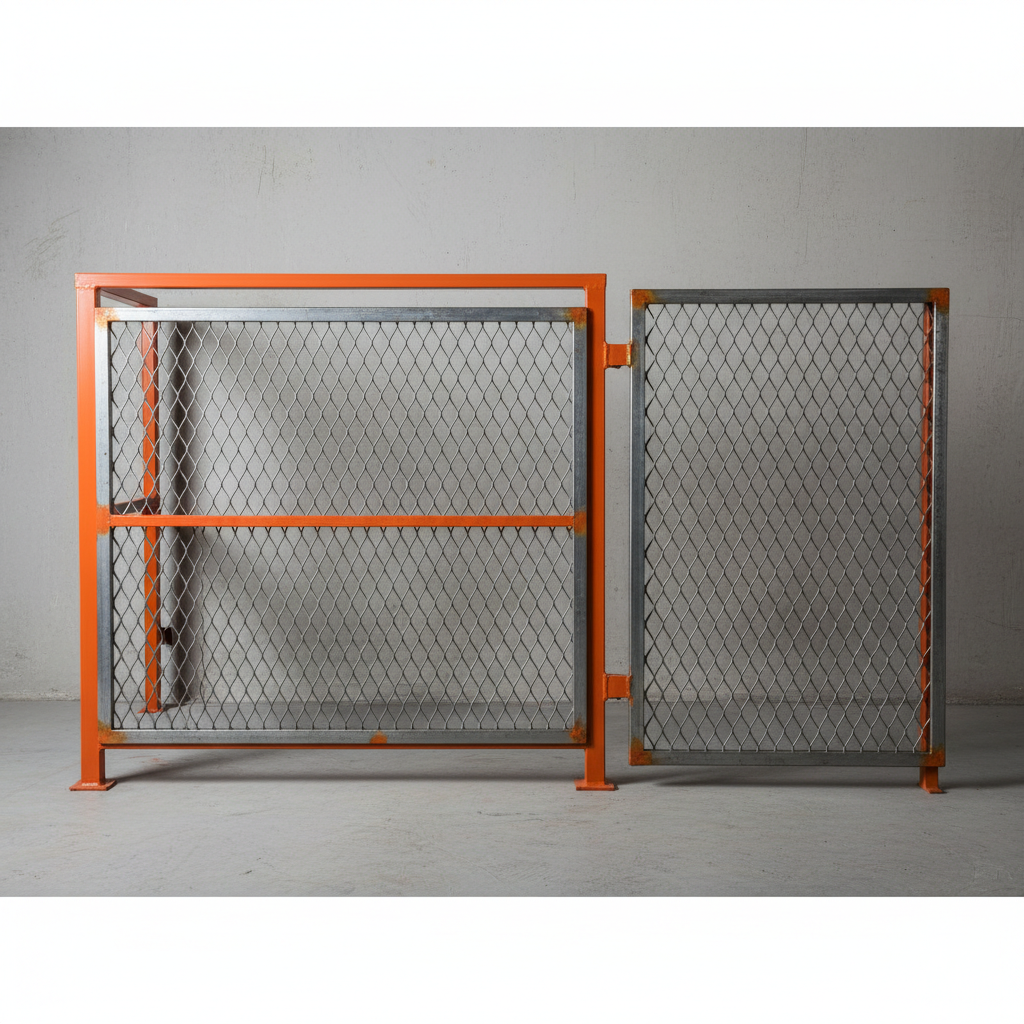
Having spent over a decade working around industrial equipment, I can tell you that thick expanded metal is one of those materials that quietly holds up the backbone of many heavy-duty projects. It might not get glamorous headlines, but if you’ve ever handled ventilation grilles, walkways, or safety barriers in tough environments, you probably owe some gratitude to this unsung hero.
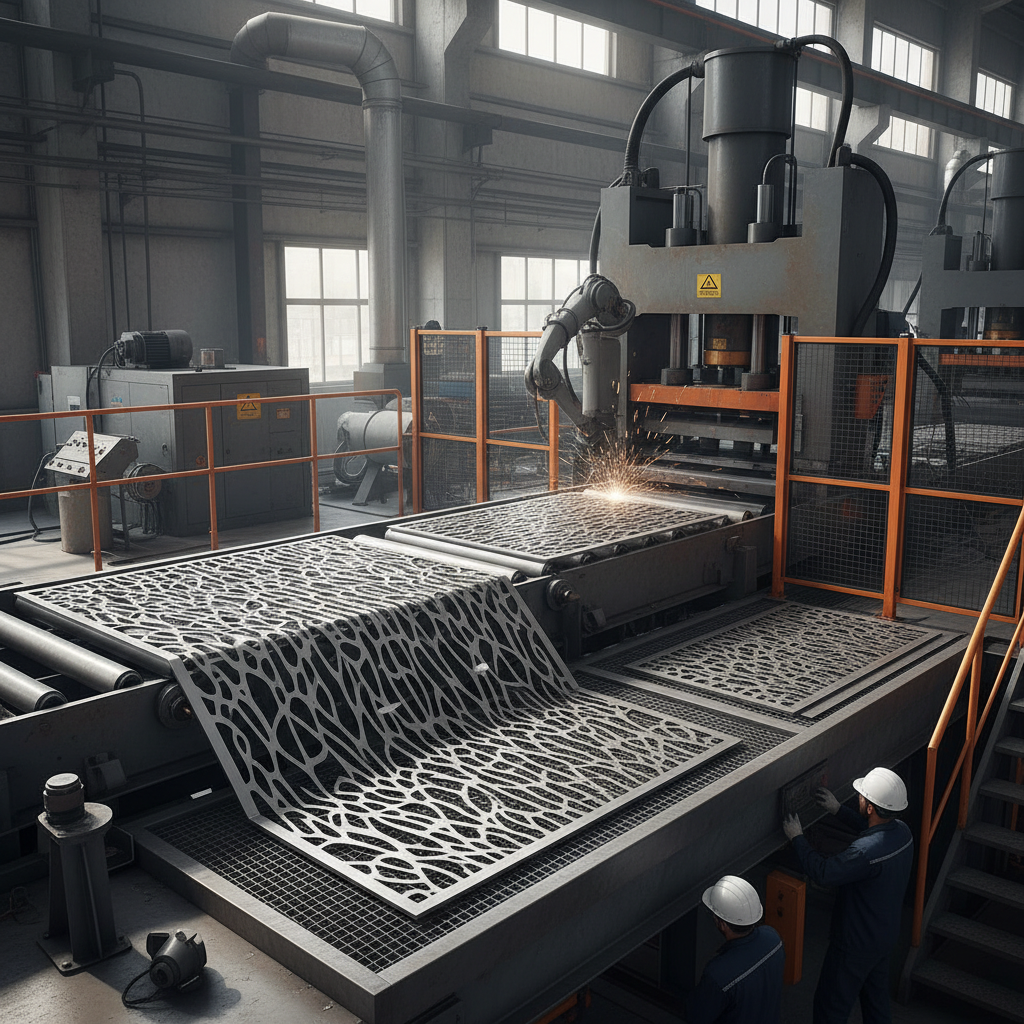
Oddly enough, expanded metal is sometimes overlooked because it’s “just metal,” but in real terms, the design intricacies and heavy gauge thickness make all the difference. Thick expanded metal sheets are formed by simultaneously slitting and stretching metal plates, resulting in a mesh with diamond-shaped openings. It’s not welded or woven, so the structural integrity remains intact and often stronger than comparable wire mesh.
From my experience, the choice of gauge matters—a lot. Thicker expanded metal tends to weigh more, sure, but it also delivers more strength and load capacity. This is crucial when the metal forms part of a platform or guardrail where anything less would risk premature failure. Yet, it’s not just about brute force. The open design allows for ventilation and drainage, which engineers love for preventing build-up of debris or moisture.
| Specification | Details |
|---|---|
| Material | Mild steel, stainless steel, aluminum |
| Thickness (Gauge) | From 10 gauge (3.4 mm) up to 1/4” (6.35 mm) or more |
| Mesh Size | Ranges from 0.5” to 4” diamond openings |
| Finish Options | Plain, galvanized, powder coated |
| Typical Sheet Sizes | 4’ x 8’, 5’ x 10’ standard; custom sizes available |
One thing that always fascinates me is how flexible expanded metal can be in terms of customization. We often designed panels to client specs—sometimes they needed heavier gauges for impact resistance, other times a finer mesh for security fencing. And honestly, the ability to apply different finishes like galvanizing means the metal can resist corrosion even in outdoor or marine installations.
Testing and quality control are areas where suppliers differ, though. In my time, the best vendors provided certifications of tensile strength and compliance with ASTM standards. These details aren’t just bureaucratic fluff—they can make the difference between a safely engineered installation and a lawsuit waiting to happen.
| Vendor | Material Options | Max Thickness Available | Certifications | Lead Time |
|---|---|---|---|---|
| Tike Metal | Steel, SS, Al | Up to 1/4” (6.35 mm) | ASTM A1011, ISO certified | 2–3 weeks |
| MetalMesh Inc. | Steel, Al | Up to 3/16” (4.76 mm) | ASTM certified | 3–4 weeks |
| SteelFab Ltd. | Steel only | Up to 1/8” (3.18 mm) | Internal QA only | 1–2 weeks |
I remember a particular project where a refinery needed custom grates to withstand heavy chemical exposure and mechanical abuse. We recommended thick galvanized expanded metal from Tike Metal because their ASTM certifications gave everyone peace of mind. The job went smoothly, and customers reported the walkways held up flawlessly even after two years of constant use.
In conclusion, if you’re in manufacturing, construction, or any industrial environment where durability and safety meet, thick expanded metal should be on your radar. It’s versatile, strong, and better than you’d expect for the price. Plus, working with experienced vendors who provide detailed specs and certifications is non-negotiable—trust me on that.
So next time you’re specifying materials, consider the quiet reliability of thick expanded metal—it just might be your project’s best friend.
References:
1. ASTM Standards for Expanded Metal – astm.org
2. Industry best practices – Personal field experience, 12 years
3. Tike Metal Product Data Sheets – tikemetal.com
RELATED PRODUCTS





Top