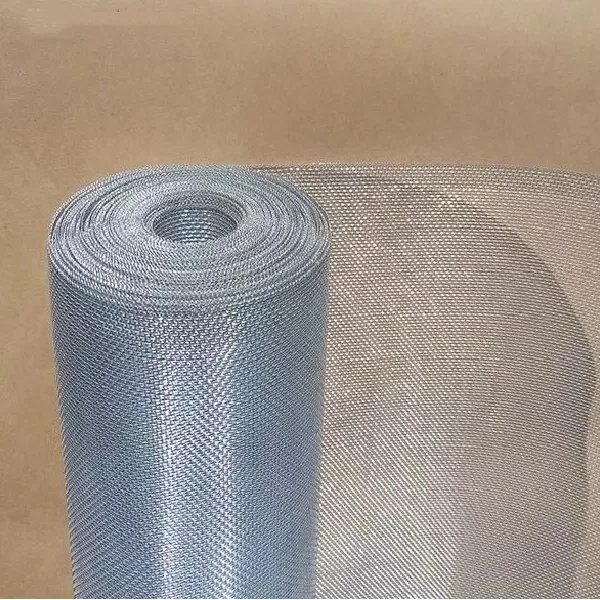
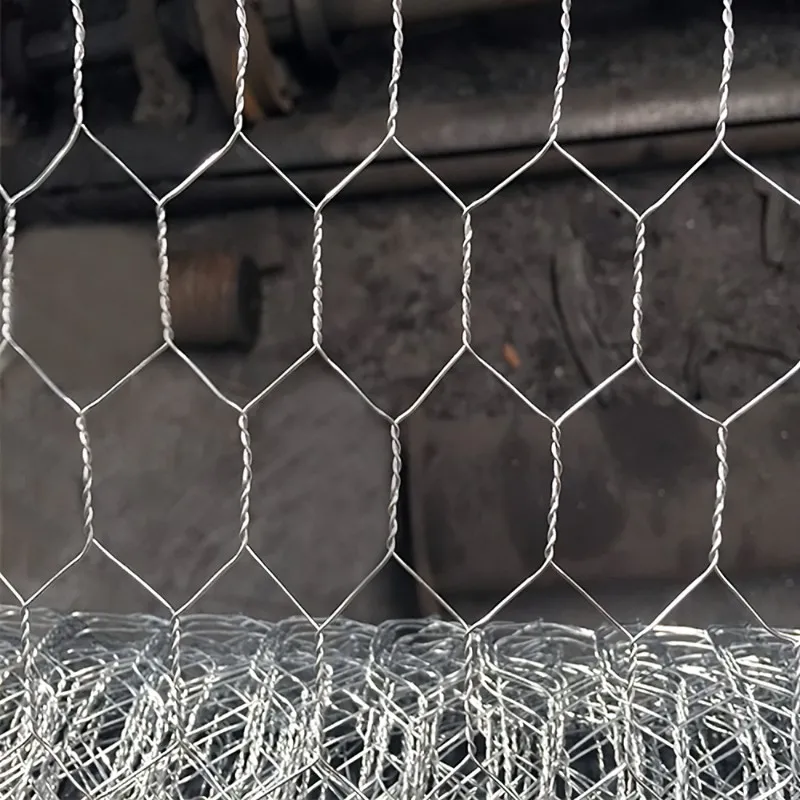
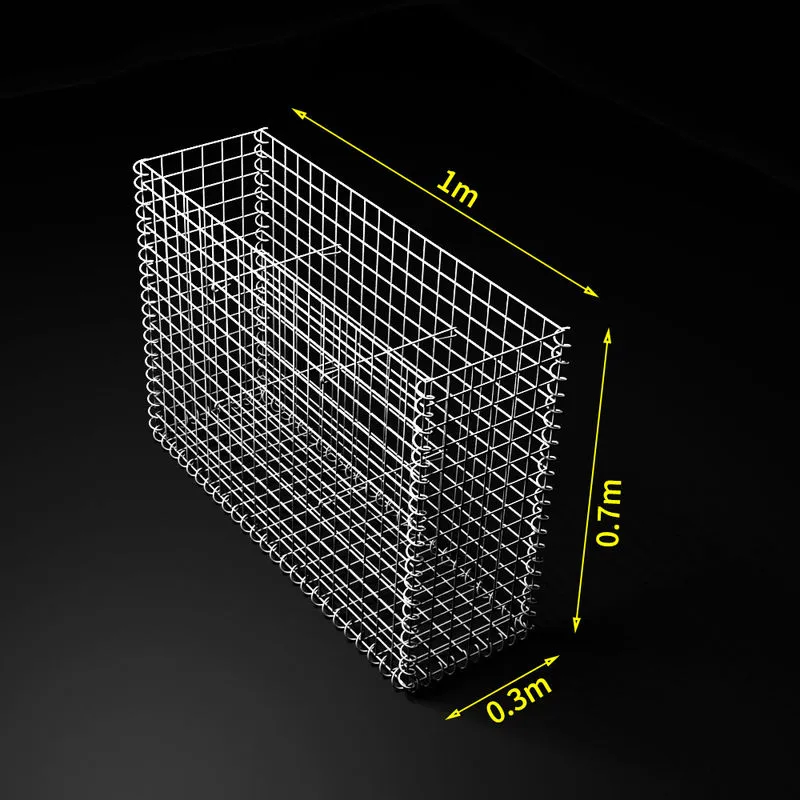
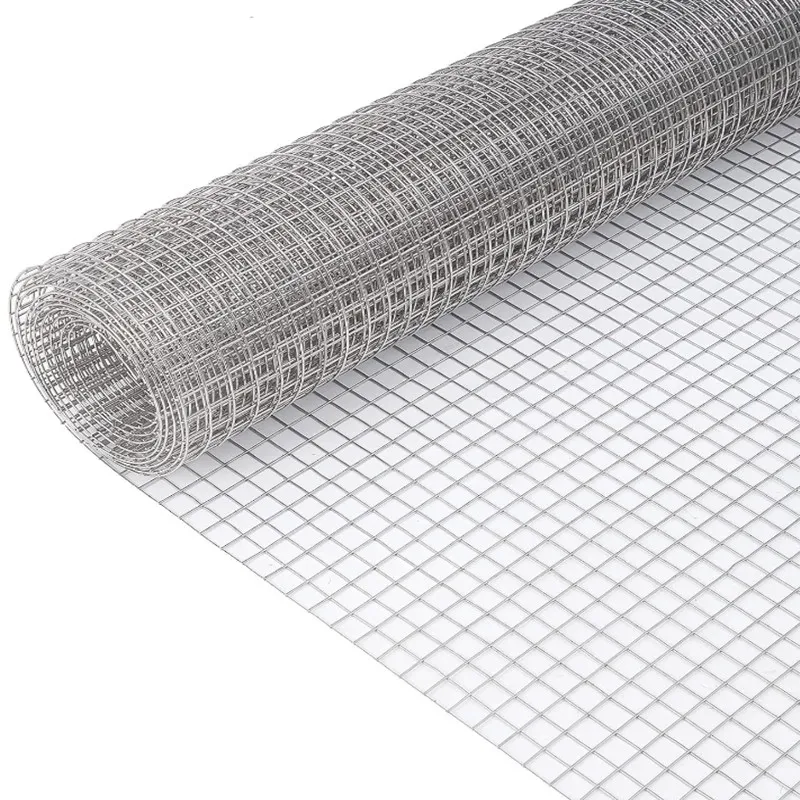
Having spent years in the industrial equipment sector, I can tell you there’s something oddly satisfying about the way steel expanded mesh sheets combine simplicity with incredible functionality. They’re these sturdy, stretched metal grids that feel deceptively lightweight until you realize how much stress they can actually bear. I suppose what makes them special is their mix of strength, flexibility, and ventilation — qualities engineers consistently need on-site.
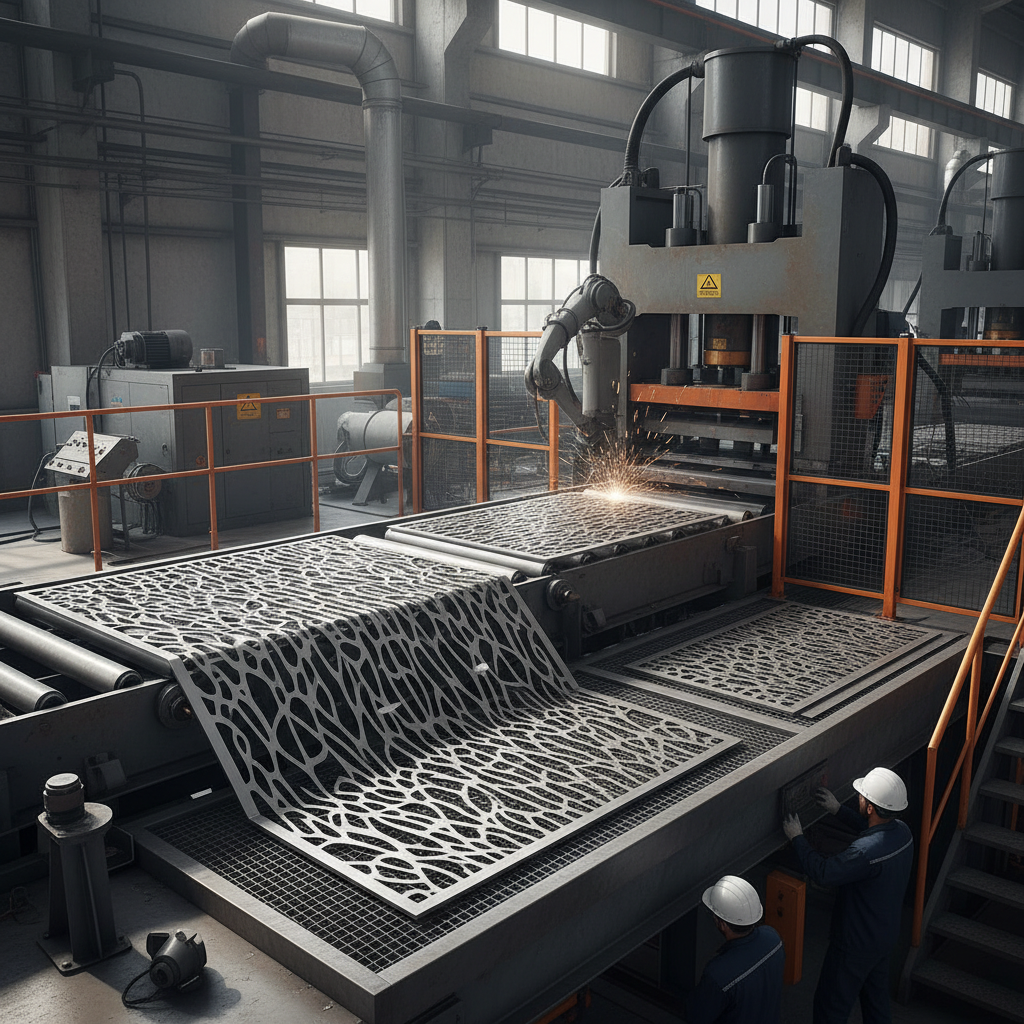
Frankly, expanded mesh sheets are everywhere in industrial settings, from heavy equipment guards to flooring and protective barriers. You often don’t notice them until you need them — then they become indispensable. They aren’t just about brute force either; the manufacturing process itself is fascinating. It’s like taking a solid steel sheet, simultaneously cutting and stretching it so it becomes a mesh that’s ready to absorb shocks, reduce weight, and maintain airflow.
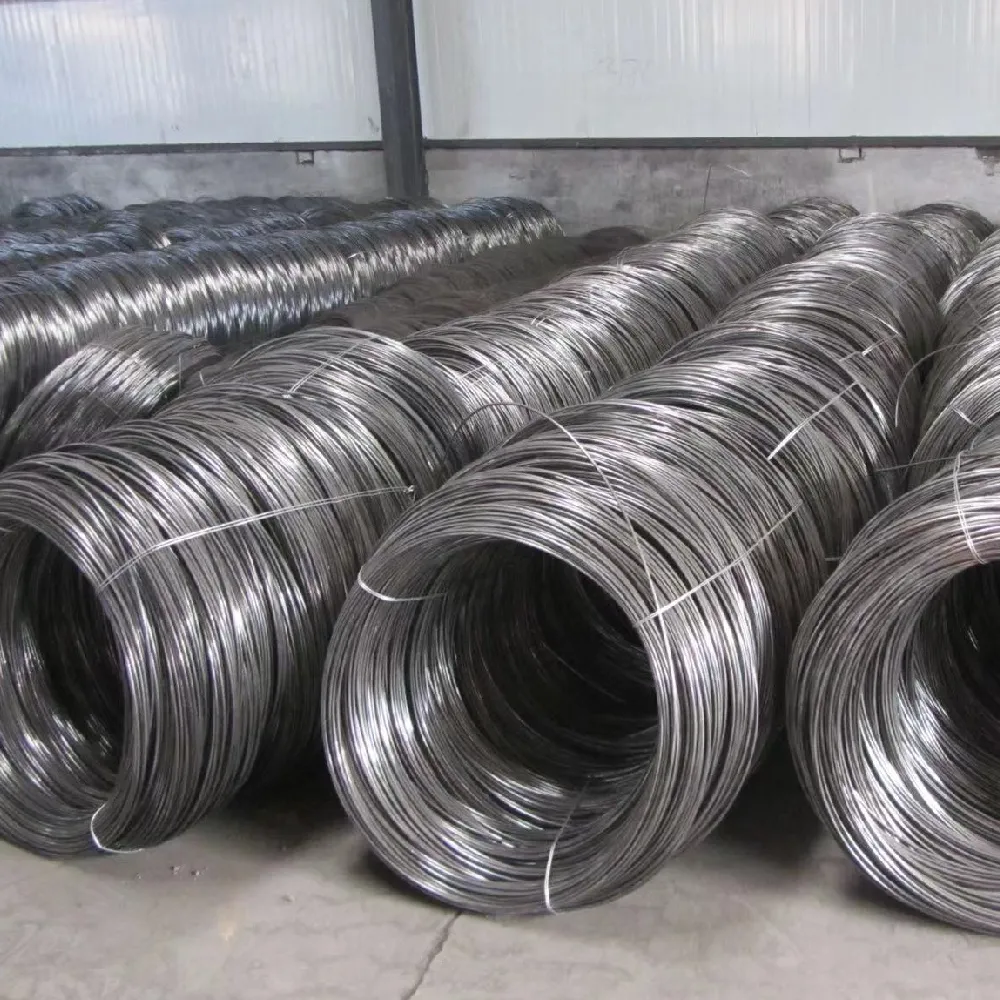
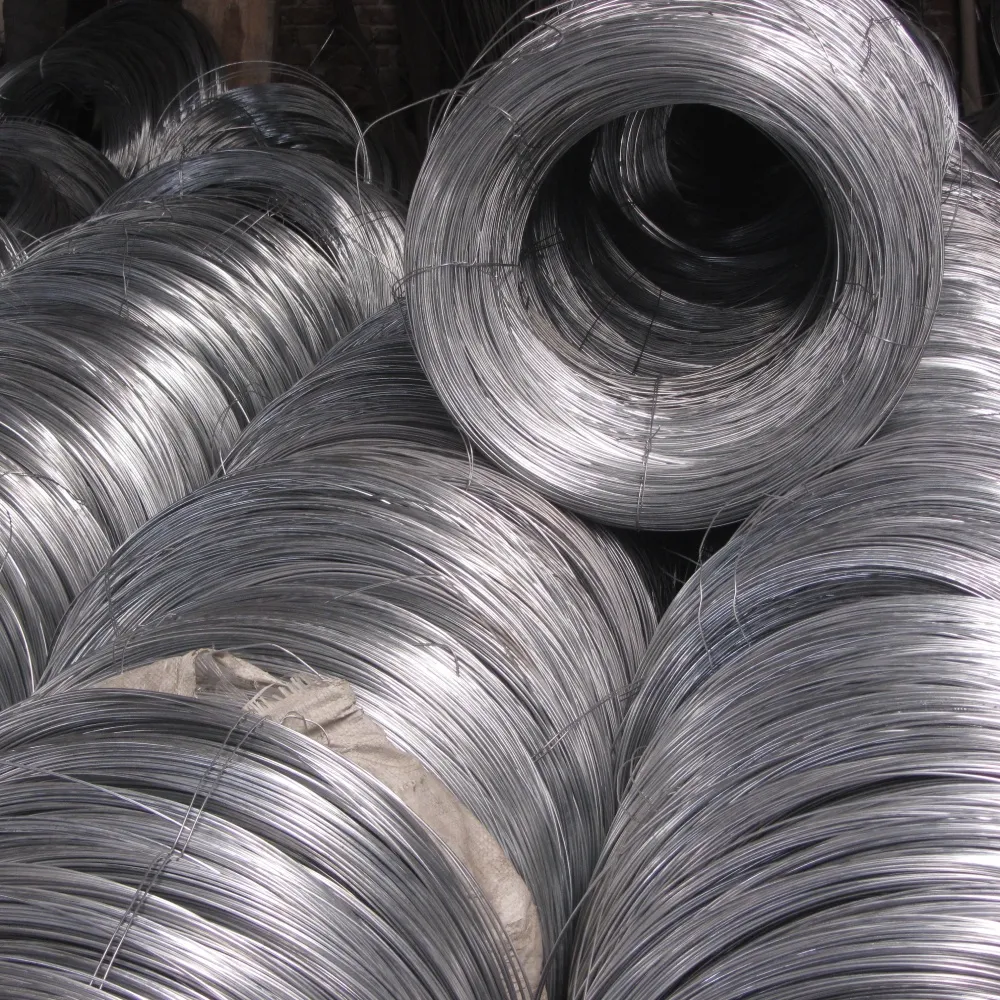
One thing I’ve observed over the years is how important quality standards and material composition are in these meshes. The typical steel grades used are carbon steel or stainless steel. Carbon steel is often favoured for heavy load-bearing applications because of its toughness, though stainless steel scores higher for corrosion resistance — particularly outdoors or in corrosive environments. Depending on where the sheet will be installed, this choice can make or break its lifespan.
Testing is another layer of reassurance. Many manufacturers will perform tensile strength tests, elongation at break, and corrosion resistance checks, all of which help confirm the sheet’s durability under stress and adverse conditions. You want to make sure the mesh doesn’t just look tough on paper but can handle the real world — sometimes that’s a very gritty, dusty, or wet real world.
Here’s a quick glance at typical product specifications you’ll find for these expanded mesh sheets:
| Specification | Value / Range |
|---|---|
| Material | Carbon Steel, Stainless Steel (304, 316) |
| Thickness | 1mm to 6mm |
| Mesh Aperture | 5mm x 5mm to 50mm x 50mm |
| Sheets Size | 1m x 2m, customizable |
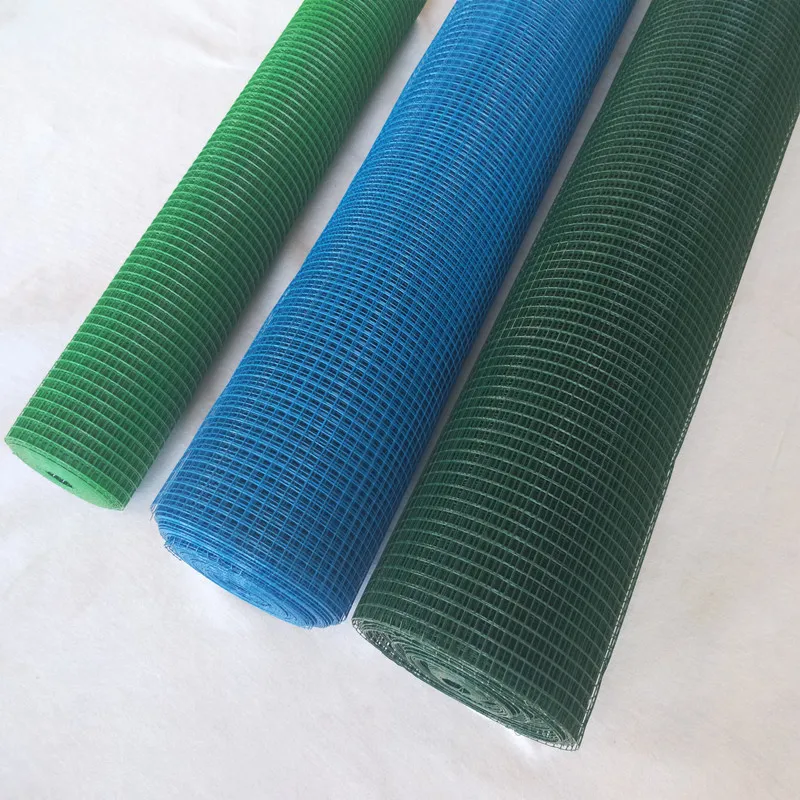
| Surface Finish | Galvanized, Powder Coated, Painted |
| Load Capacity | Up to 5000 N/cm² (varies by grade/thickness) |
In real terms, this means if you’re specifying something for a heavy-duty platform, you can order thicker sheets with smaller apertures to support more weight and reduce hazards. For ventilation covers, larger apertures and thinner sheets often suffice. The customization options are, honestly, one of the best parts — it lets you balance cost, weight, and performance quite finely.
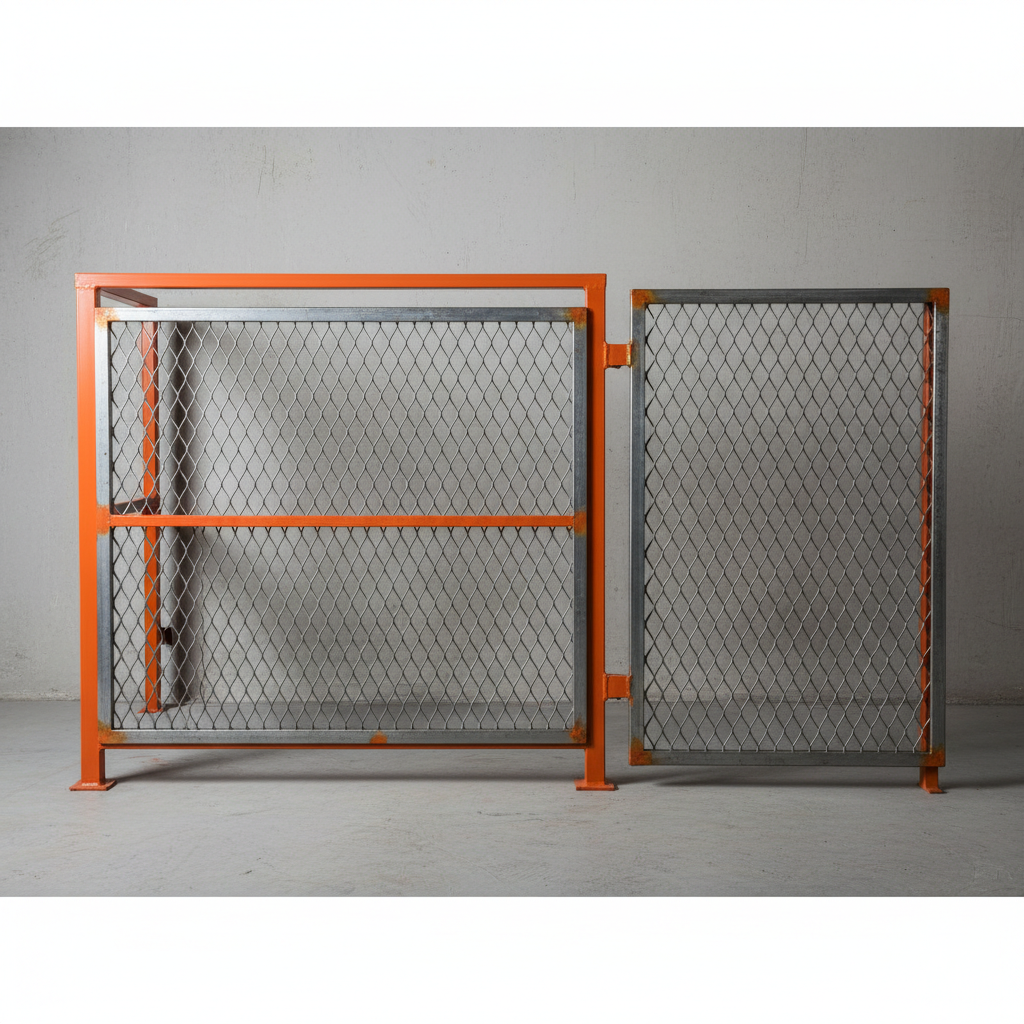
Let me share a quick story: A client I worked with recently needed a safety guard for a large printing press. They wanted something that not only protected operators but also allowed air circulation to prevent machines from overheating. Expanded mesh sheets hit the sweet spot. By selecting a stainless steel grade with a moderate aperture, we kept things safe and cool without compromising visibility. It’s the kind of simple but effective solution that keeps factories running smoothly.
Now, comparing vendors can be a headache. But based on my experience, here’s a simple comparison to keep in mind when evaluating steel expanded mesh suppliers:
| Vendor A | Vendor B | Vendor C | |
|---|---|---|---|
| Material Variety | Carbon & Stainless Steel | Carbon Steel Only | Stainless Steel Premium Grades |
| Customization Options | High | Medium | Low |
| Lead Time | 2 - 3 weeks | 1 - 2 weeks | 4 - 5 weeks |
| Pricing | Mid-range | Budget-friendly | Premium |
| Certifications | ISO 9001, ASTM | None listed | ISO 14001, ASTM, CE |
Choosing your supplier really comes down to what balance you need between speed, quality, and budget. As many engineers say, it's not just a product—it’s part of a system. So I personally look for a vendor with standard certifications and decent customization because, honestly, off-the-shelf often doesn’t cut it in heavy industry.
In closing, steel expanded mesh sheets might seem like a simple piece of metal at first glance. But when you dig a little deeper, they’re surprisingly multifaceted — literally and figuratively. They offer a clever solution that’s been quietly holding up beams, securing machinery, and ventilating spaces across industries for decades. Next time you see a metal mesh guarding a machine or forming a walkway, you might think back to this: it’s more than metal. It’s engineering pragmatism at work.
Takeaway? If you’re specifying steel mesh sheets for your next project, remember it’s the quality of material and the manufacturer’s experience that really count.
References:
RELATED PRODUCTS





Top