When you think about safeguarding farmland or protecting wildlife habitats, the idea of a steel deer fence might not immediately spring to mind. But globally, these fences serve as a critical line of defense against crop damage, animal intrusion, and habitat fragmentation. Understanding what makes a steel deer fence indispensable—and how its design and application have evolved—can greatly benefit agriculturalists, conservationists, and landowners alike.
Deer populations have been increasing in many regions, particularly across North America and parts of Europe. The Food and Agriculture Organization (FAO) notes that wildlife conflicts cost farmers billions annually in lost crops and damaged infrastructure (1). Increasingly, traditional wooden or wire fences fall short in durability and effectiveness against deer’s agility. That’s where steel deer fences come in—offering durable, scalable, and cost-efficient solutions that help reduce human-wildlife conflicts.
Around the world, agriculture remains a backbone of food security, feeding billions. Protecting farmlands while maintaining ecological balance is an immense challenge, especially with wildlife risks and climate stress intensifying. Steel deer fences provide a practical solution, ensuring both sustainable agriculture and conservation efforts can coexist.
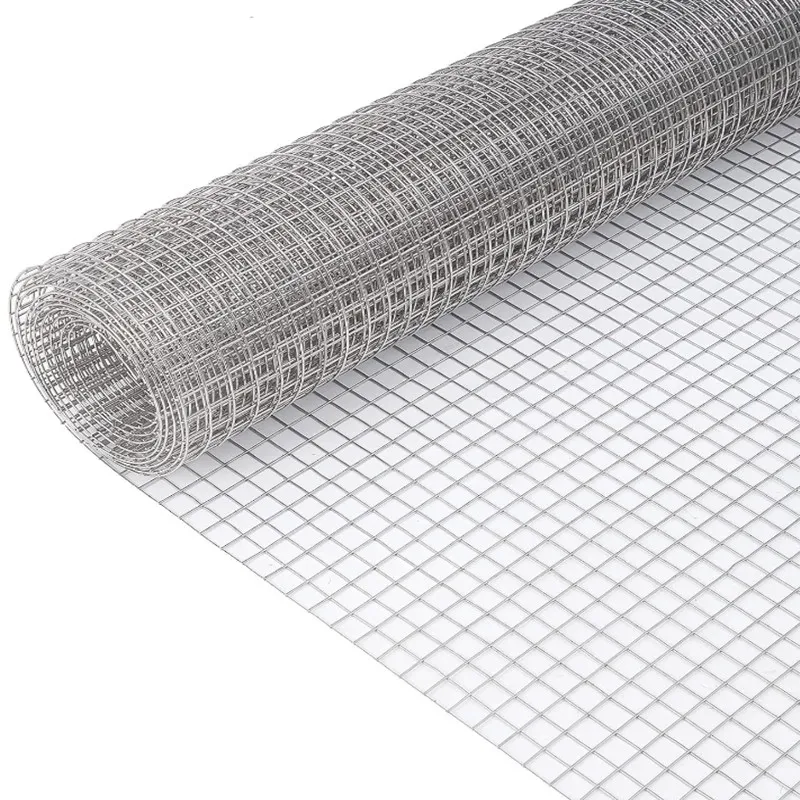
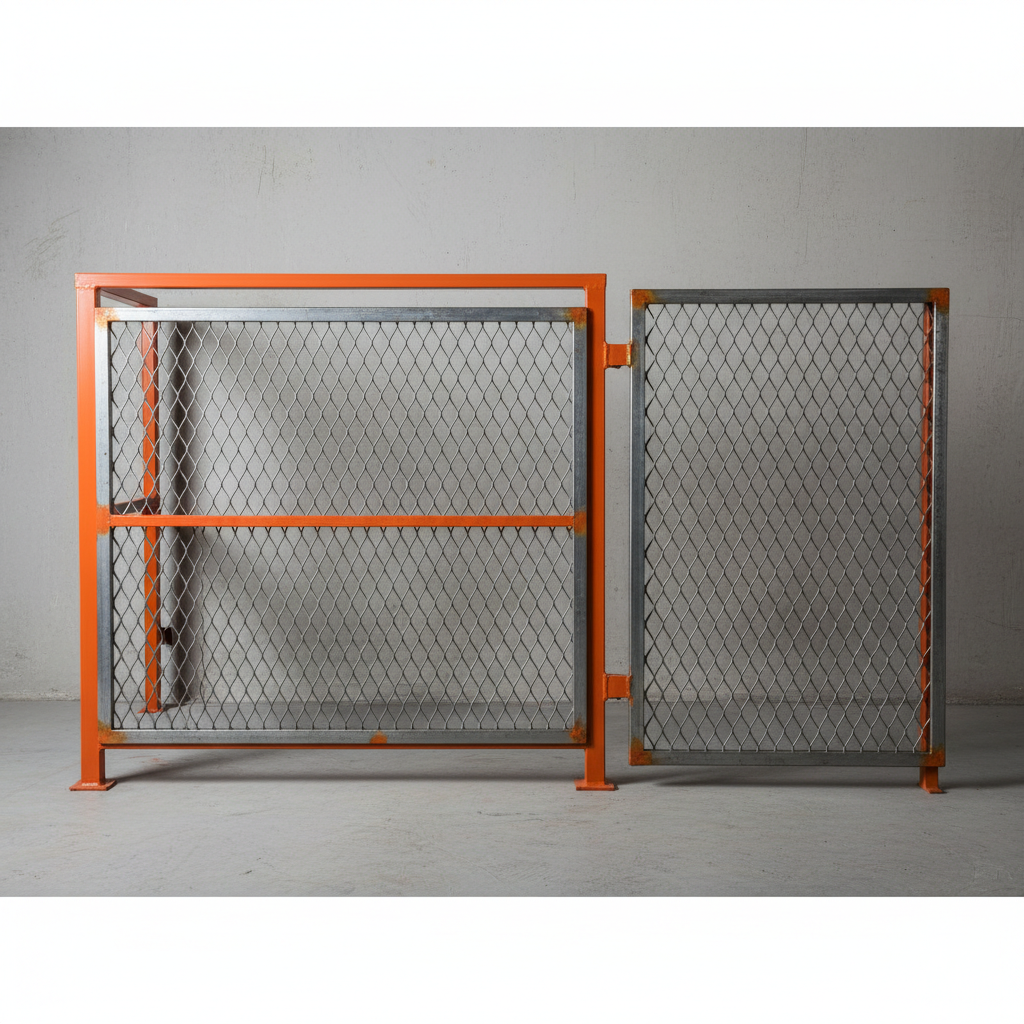
Simply put, a steel deer fence is a barrier made predominantly from steel materials—usually galvanized steel mesh, panels, or posts—engineered specifically to restrain deer and other similar wildlife from entering designated areas like crop fields, gardens, or protected parklands.
Unlike ordinary fences that may sag, degrade, or be bypassed by clever animals, steel deer fences marry strength with flexibility. Their design considers deer’s jumping ability (often needing heights of 8 feet or more) and durability to withstand weather and wear. This technology also intersects with broader land management principles, promoting coexistence between human activity and wildlife habitats.
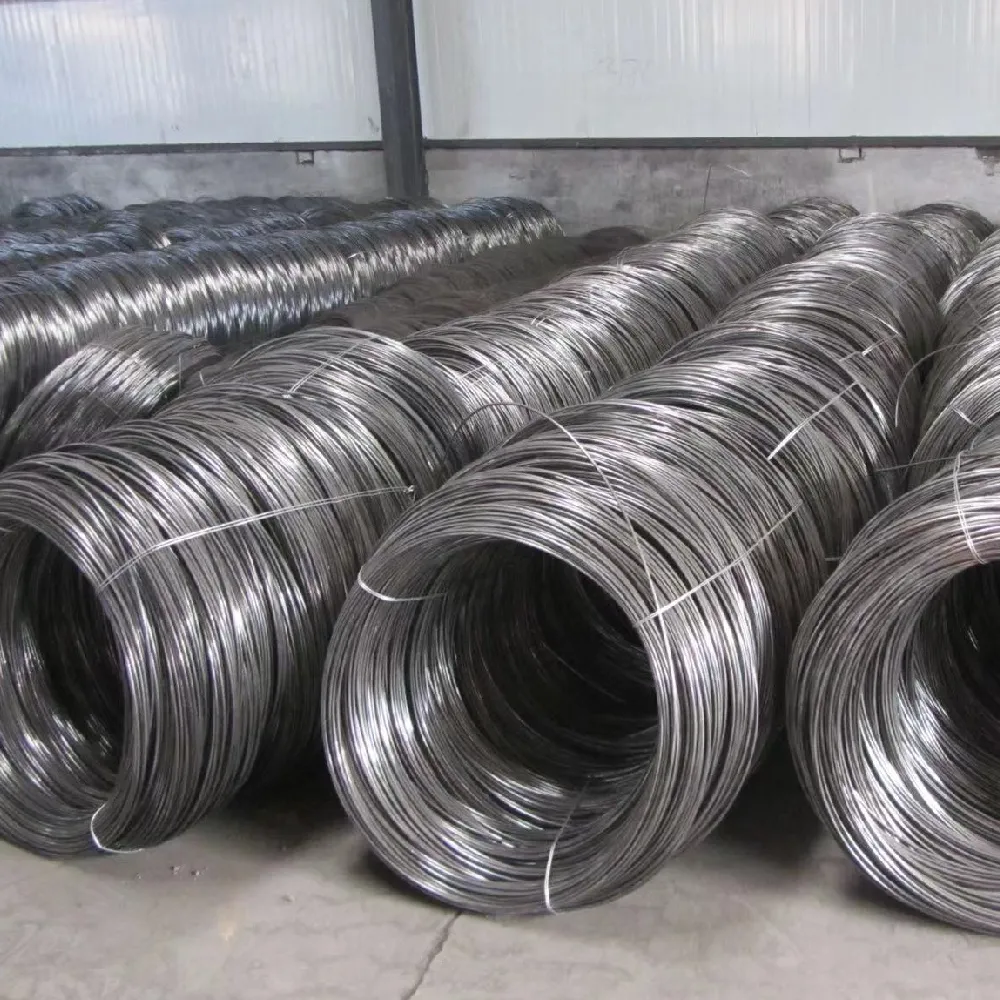
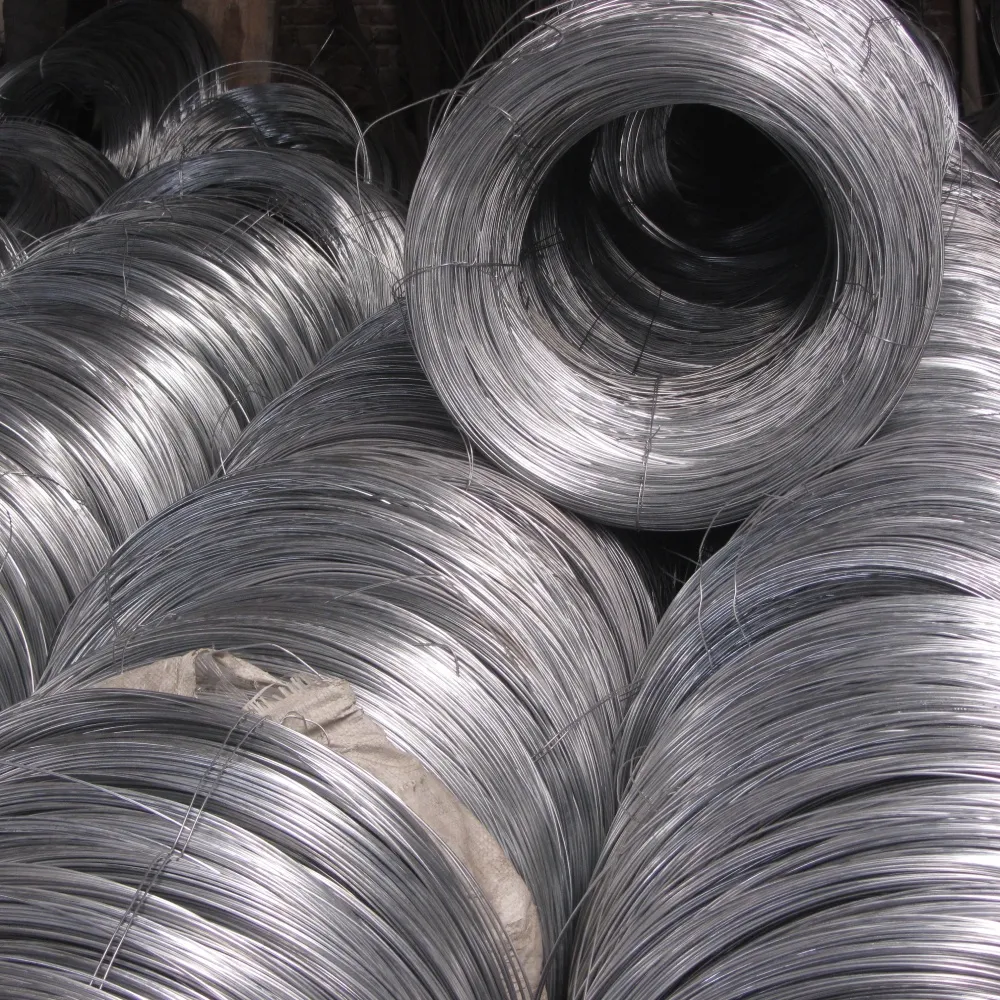
Steel fences are usually galvanized to resist rust and corrosion — crucial for outdoor longevity. This means they can endure harsh weather, from cold snow to blistering sun, lasting decades without significant maintenance.
Deer are surprisingly good jumpers; fences often exceed 8 feet to deter them effectively. Mesh size, post spacing, and the use of tension wires also contribute to effectiveness.
Though steel fencing can seem pricier upfront compared to wooden or plastic alternatives, the longevity and low maintenance yield value over the years. Stakeholders often find the return on investment sensible, especially for larger properties.
Whether protecting a small garden or sprawling agricultural land, steel deer fences can be tailored in length, height, and panel design for specific needs. Modular options facilitate easier transport and installation.
Steel fences minimize habitat fragmentation when strategically planned, allowing wildlife corridors while protecting vulnerable crops. Plus, steel is recyclable—a definite environmental plus.
| Feature | Specification |
|---|---|
| Material | Galvanized Steel Wire Mesh |
| Fence Height | 8 to 10 feet (2.4m to 3m) |
| Mesh Size | 4" x 4" (100mm x 100mm) |
| Post Spacing | 8 to 12 feet (2.5m to 3.7m) |
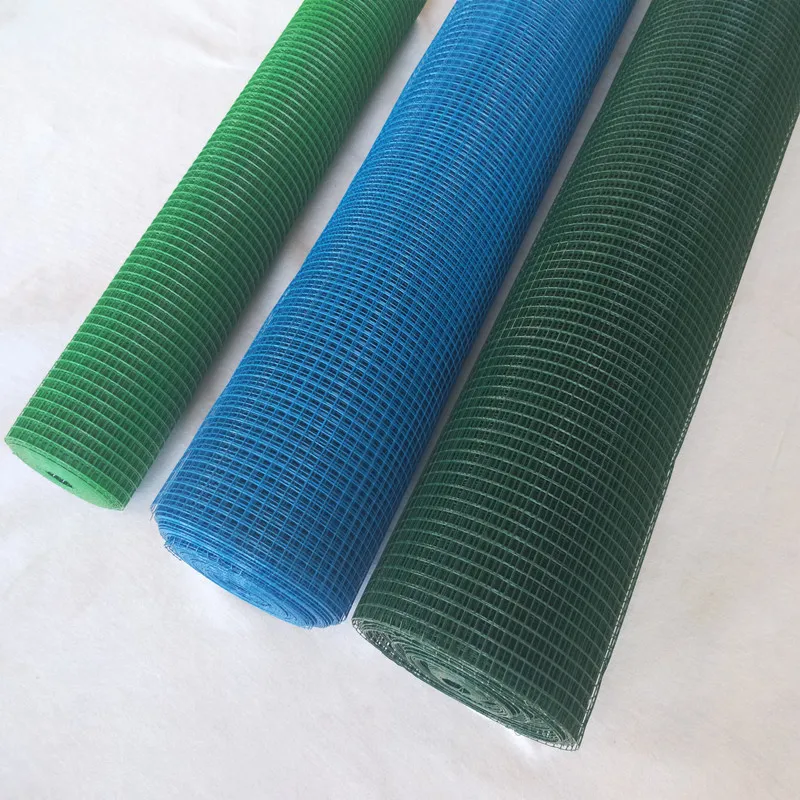
| Coating | Hot-dip galvanized with optional powder coat |
Mini takeaway: The steel deer fence balances strength, height, and corrosion protection to reliably keep deer where they belong—outside your valuable crops.
You’ll find steel deer fences everywhere farmers or land managers confront deer-related challenges:
Organizations such as the UN Food and Agriculture Organization have highlighted fencing as a sustainable land management method, helping reduce crop damage and human-wildlife conflicts simultaneously (2).
| Vendor | Fence Material | Customization | Lead Time | Price Range |
|---|---|---|---|---|
| Tike Metal (Recommended) | Hot-dip galvanized steel mesh | Height, panel length, powder coating | 2-4 weeks | Moderate |
| FenceMasters Inc. | Aluminum-steel blend | Standard sizes only | 4-6 weeks | High |
| GreenBio Fencing | Recycled steel mesh | Limited custom options | 3-5 weeks | Low |
Observing these fences in action, one thing becomes clear: their long-term cost savings really add up. Less time on repairs, fewer crop losses, and sturdy resistance to weather all contribute to that. There’s also a psychological impact — knowing your land is secure gives farmers peace of mind. This, I’d argue, is undervalued.
In real terms, investing in a steel deer fence is as much about protecting livelihoods as it is about innovating responsible land stewardship.
The future looks interesting: lighter steel alloys, integration of solar-powered sensors, and smarter installation kits are under development. Companies are exploring fences embedded with IoT devices to monitor fence breaches and deer activity in real time—lowering response times for damage prevention.
Furthermore, there’s a big push towards sustainable coatings instead of traditional galvanization processes, reducing toxic runoff and enhancing recyclability.
No solution is perfect. The initial cost can be a deterrent for smallholders, and in some areas, installation requires trained professionals. But manufacturers like Tike Metal provide modular, do-it-yourself style kits, easing those access barriers.
Another challenge is habitat disruption if fencing is poorly planned. The solution? Guided, ecological fencing layouts that combine corridors and barriers, balancing wildlife movement and protection.
It’s clear that steel deer fences are more than just a boundary—they represent a smart, sustainable strategy in modern land management. By combining durability, adaptability, and ecological insight, they protect livelihoods and the environment simultaneously.
For anyone looking to invest in dependable, future-ready fencing solutions, checking out Tike Metal’s offerings is a good step forward. Because in the end, safe crops and thriving wildlife don’t have to be mutually exclusive.
Oddly enough, fencing inspired by old industry standards keeps evolving thanks to innovation—with every new wire, we plant seeds for a better balance between humans and nature.
RELATED PRODUCTS





Top