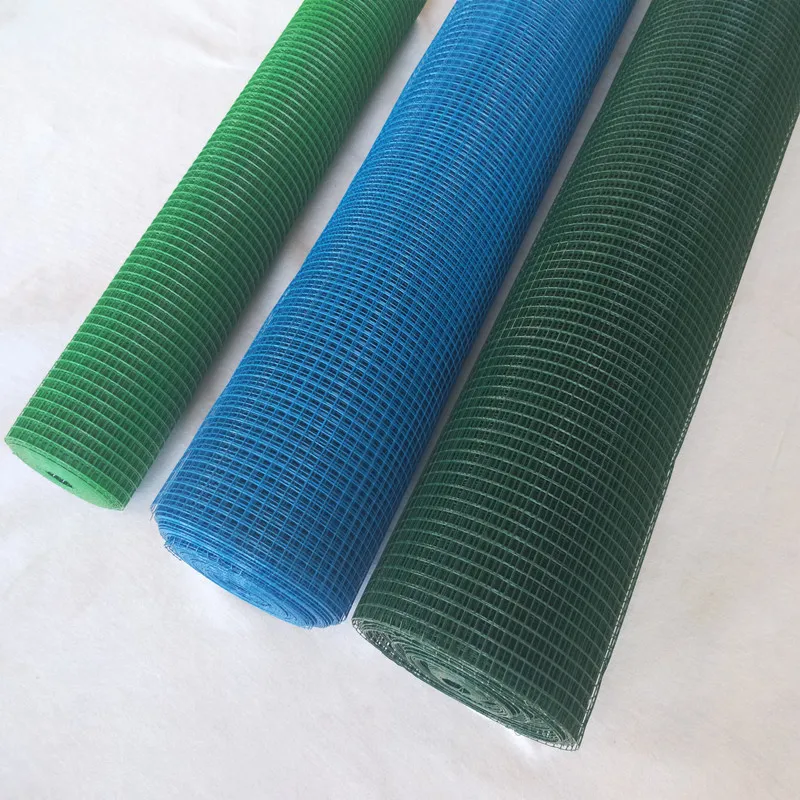
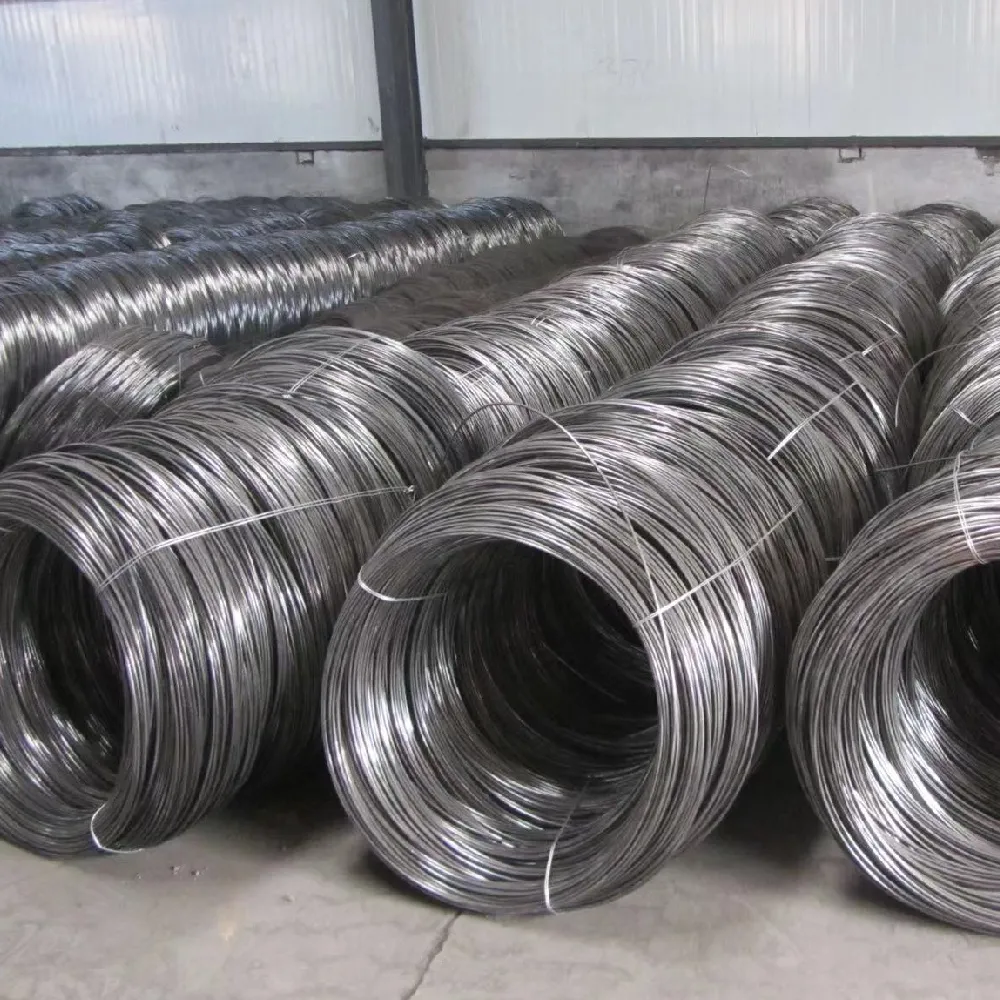
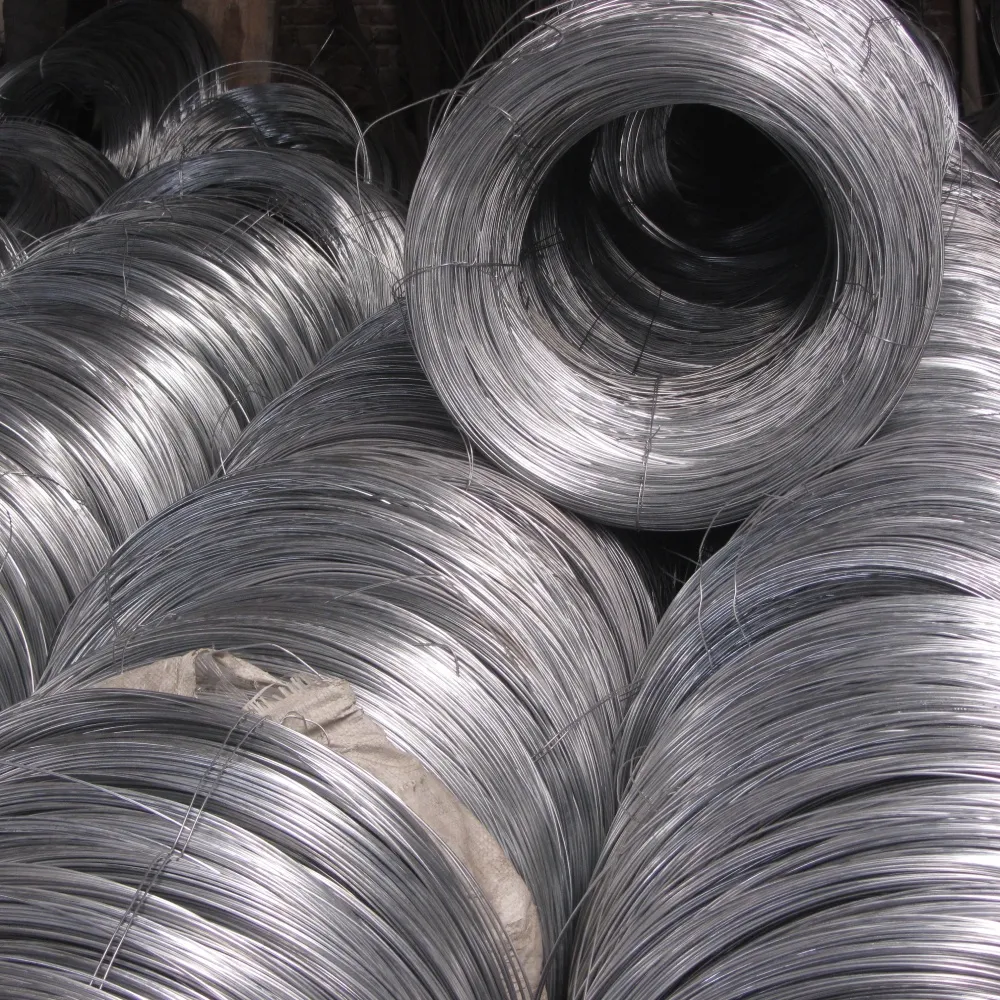
Having worked in the industrial equipment sector for years, I've come to appreciate certain materials that just keep proving their worth, and stainless steel netting mesh is definitely one of them. It’s one of those reliable, versatile products that you find yourself recommending time and again, mostly because it strikes a smart balance between durability and adaptability.
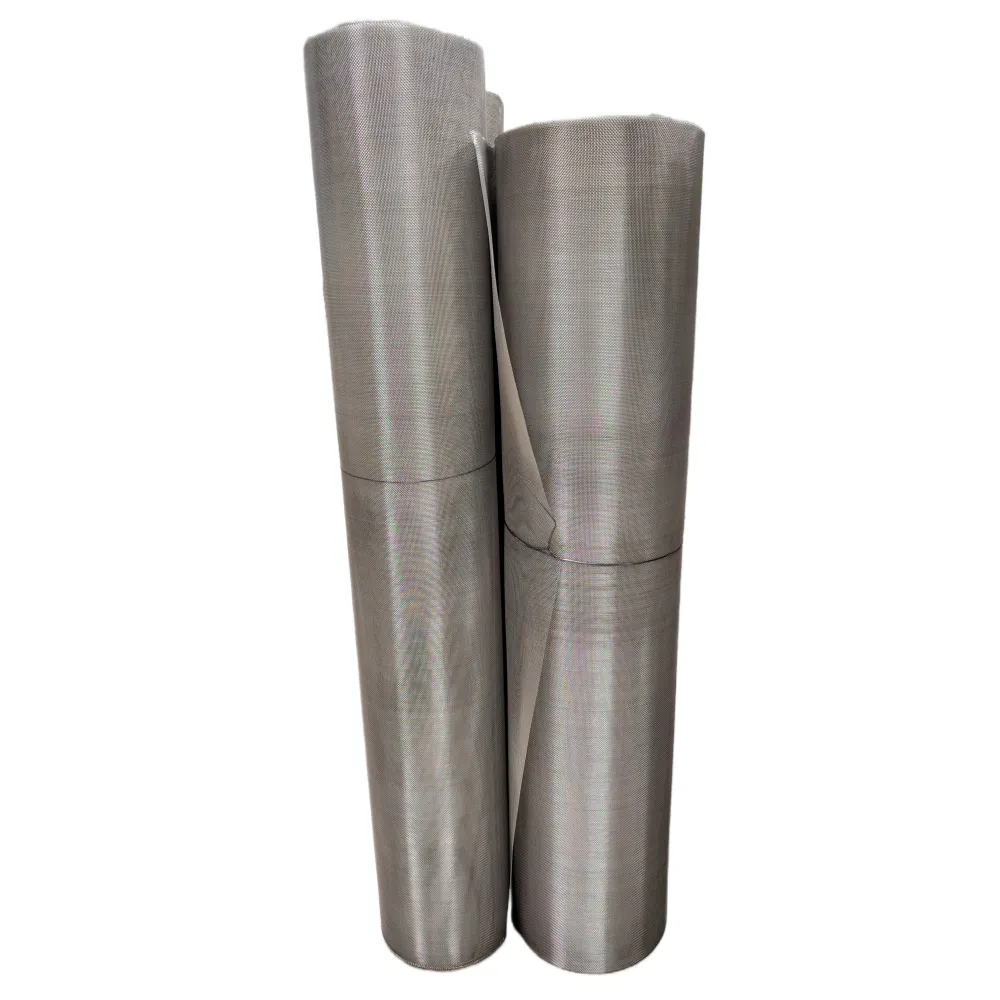
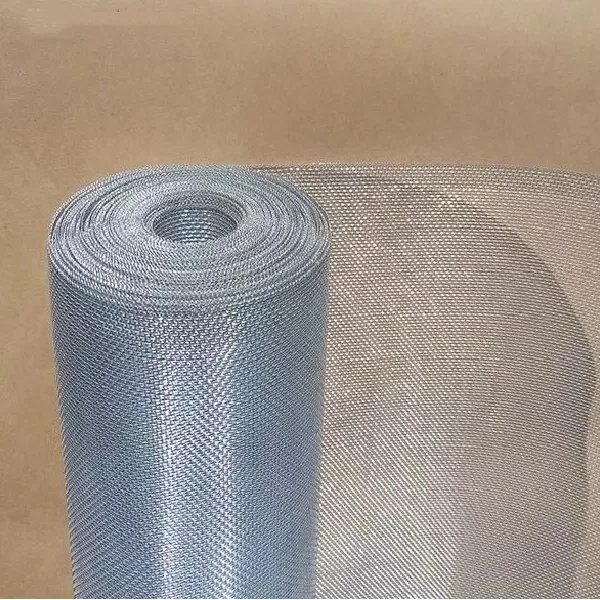
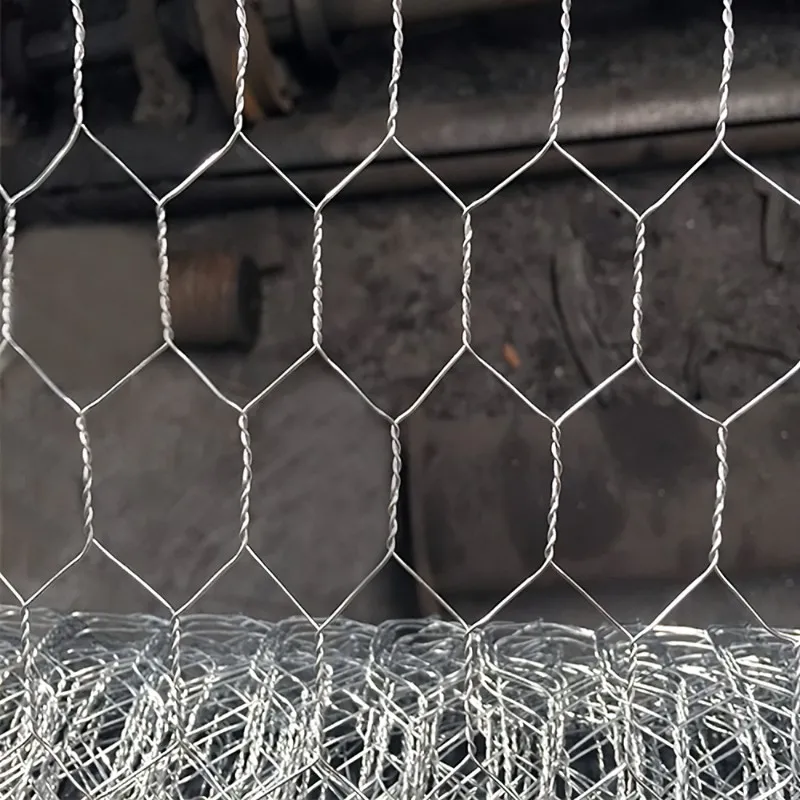
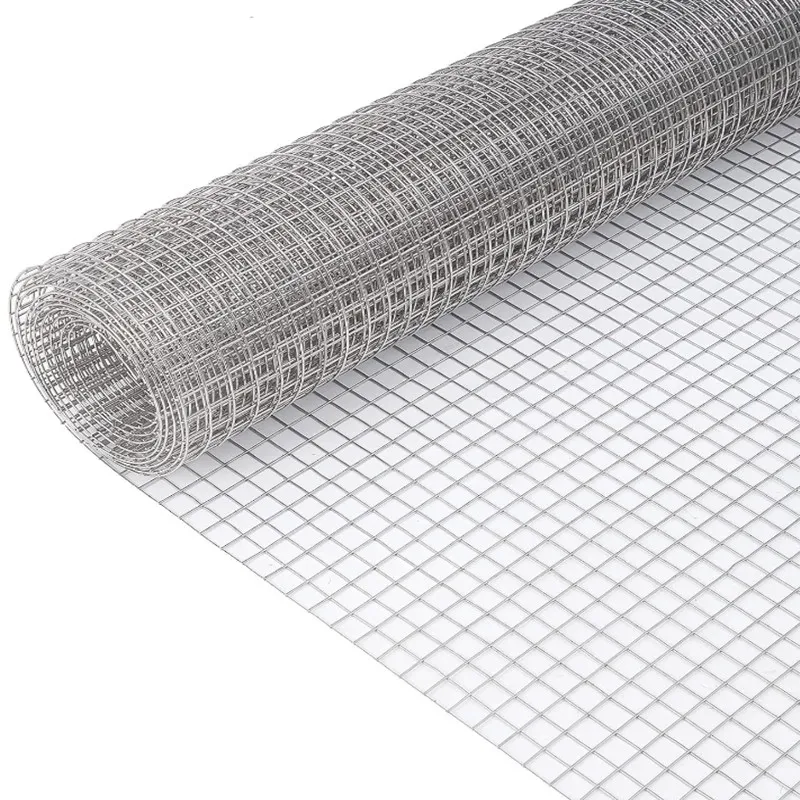
Now, stainless steel netting mesh – if you’re unfamiliar – is essentially a woven metal grid, frequently crafted from stainless steel wires. The crisscross pattern creates a flexible yet sturdy barrier. It looks deceptively simple, but trust me, there’s a lot going on beneath the surface. And oddly enough, the particular type of stainless steel grade you pick can seriously change how it behaves in the field.
Many engineers I’ve spoken with swear by 304 and 316 grades for their corrosion resistance — especially when exposure to chemicals, seawater, or extreme weather conditions is involved. It's like having a built-in shield against rust and degradation.
In real terms, this means your mesh won't just crack or warp unexpectedly, which could cause costly downtime or safety risks. One time, a longtime client in the petrochemical industry told me how switching to stainless steel netting mesh prevented contamination issues in their processing units — a seemingly small adjustment that saved them thousands in maintenance.
What’s particularly cool is the flexibility in customization. You can specify wire diameter, aperture size (that’s the distance between the wires), and even weave style — plain weave, twill weave, or Dutch weave. Each has its own benefits. For example, Dutch weave produces a denser, tighter mesh that’s fantastic for filtration applications. In contrast, plain weave meshes tend to be lighter and more cost-effective for general screening.
Of course, there’s a bit of trade-off when customizing. Denser weaves mean higher material costs and sometimes weight, so you want to find that sweet spot that fits your project requirements without overdoing it.
Here’s a quick look at some typical specifications for stainless steel netting mesh I’ve worked with:
| Specification | Typical Range | Notes |
|---|---|---|
| Wire Diameter | 0.1 mm – 3 mm | Thinner wires for filtration, thicker for structural use |
| Aperture Size | 0.5 mm – 50 mm | Smaller apertures for screening, larger for fencing |
| Grade | 304, 316, 316L | 316L preferred in marine environments |
| Weave Type | Plain, Twill, Dutch | Each impacts strength and filtration ability |
| Max Roll Width | 2 m | Often customized for project needs |
When it comes to where you get your stainless steel mesh from, you’ll find quite a range of vendors out there. Frankly, not all are created equal, and it pays to scrutinize their quality controls, lead times, and customization options. For instance, some suppliers specialize in filtration meshes, while others have a broader product line geared for heavy industrial barriers or architectural mesh.
| Vendor | Quality Control | Customization | Lead Time | Typical Pricing |
|---|---|---|---|---|
| Tike Metal | ISO 9001 Certified | Highly Flexible | 2-4 Weeks | Competitive |
| Vendor B | In-house QC | Moderate | 3-6 Weeks | Moderate |
| Vendor C | Random Batch Testing | Low | 1-2 Weeks | Low |
From personal experience, I've found that investing a bit more upfront for a reputable vendor like stainless steel netting mesh suppliers ensures fewer headaches down the line — better mechanical properties and consistent quality really pay off, especially for critical industrial applications.
It’s also worth noting the industry trend of combining stainless steel mesh with other materials, such as coatings or laminates, to boost performance in niche environments. I recall a project where a mesh was coated with PTFE for chemical resistance, which was an eye-opener since the base stainless steel already held up well on its own.
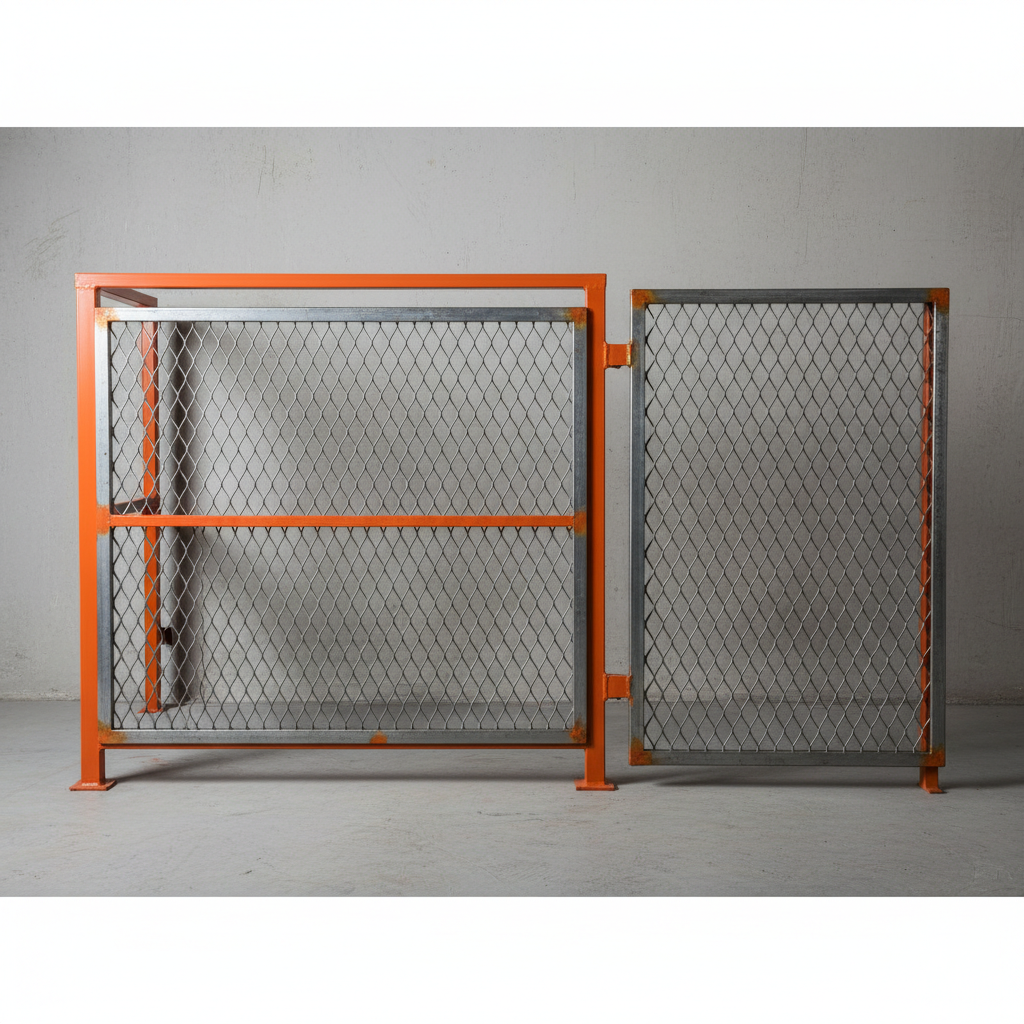
Wrap-up? Whether you’re building industrial safety cages, filtration systems, or architectural features, stainless steel netting mesh has a way of fitting right in, like a dependable old friend. And oddly enough, it keeps surprising me with new ways to be used or adapted — sort of the Swiss Army knife of metal meshes, if you will.
References:
1. "Metals Handbook," ASM International - on stainless steel grades.
2. Industry talks with filtration engineers, 2023.
3. Tike Metal official product specification sheets.
RELATED PRODUCTS






Top