Having spent well over a decade knee-deep in the industrial equipment sector, I’ve come to appreciate certain unsung heroes of construction materials. One such hero? stainless steel metal lath. Oddly enough, it’s often overlooked in favor of flashier products, but in real terms, stainless steel lath quietly delivers durability and versatility that can really make or break a job.
If you’ve ever wondered why some concrete structures outlast others, metal lath is often a key part of the story. It serves as a reinforcement framework in plaster, stucco, and concrete work—especially when weather resistance and longevity matter. I’ve noticed projects using stainless steel metal lath tend to suffer far fewer corrosion issues compared to their galvanized or carbon steel cousins.
Let me share a little anecdote: About five years ago, a client was struggling with repeated cracking and rust stains on their exterior concrete facades. We specified stainless steel metal lath instead of standard steel mesh, and those issues vanished almost immediately. Even now, the surfaces look sharp and intact, despite harsh coastal conditions. That’s a testament to the resilience stainless steel brings.
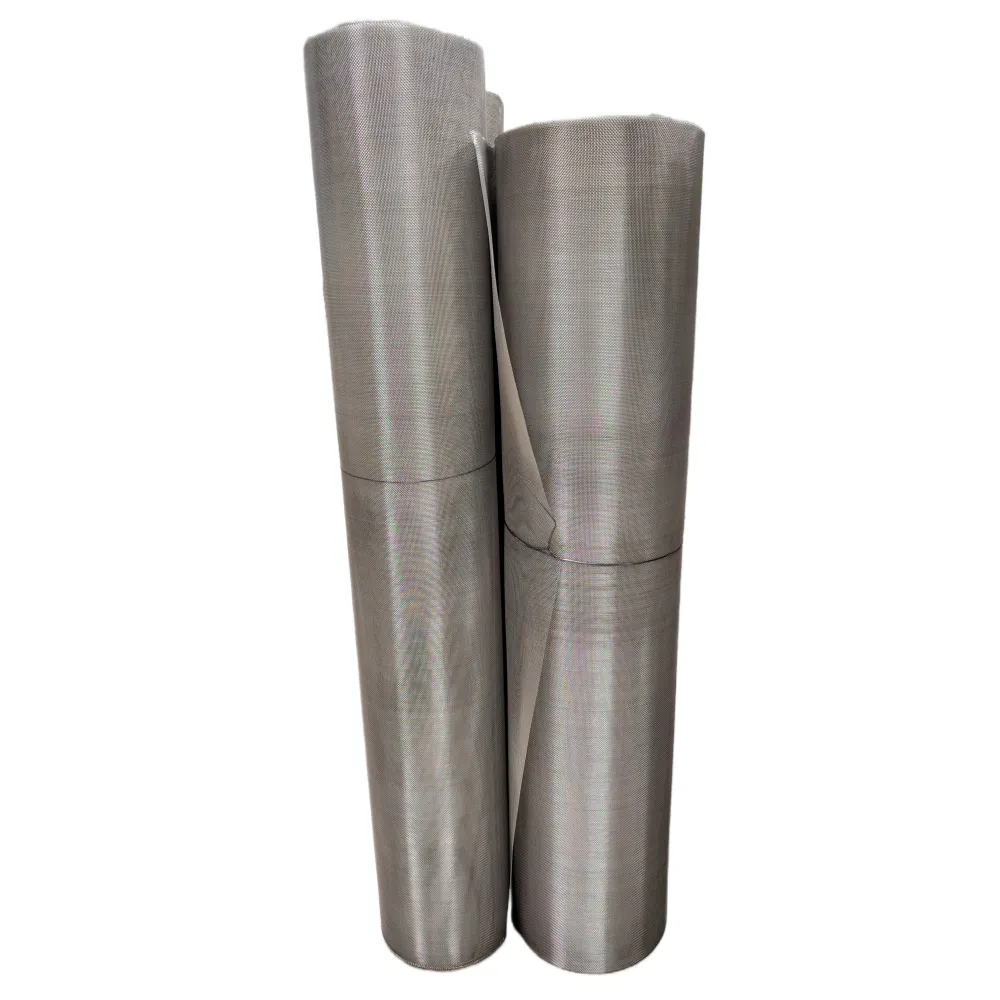
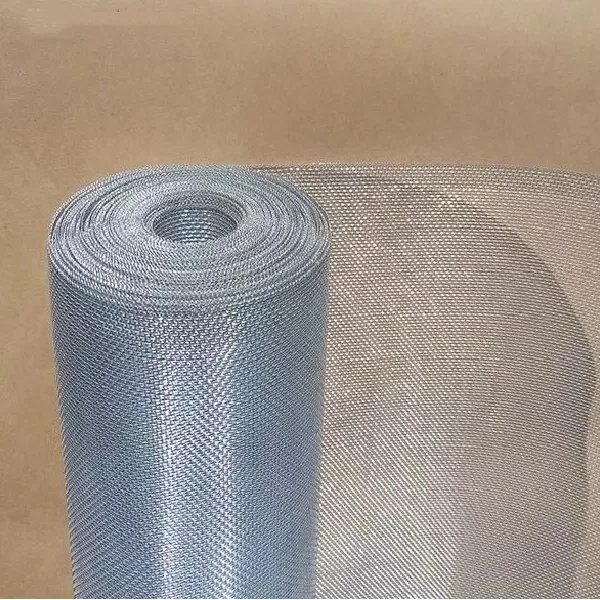
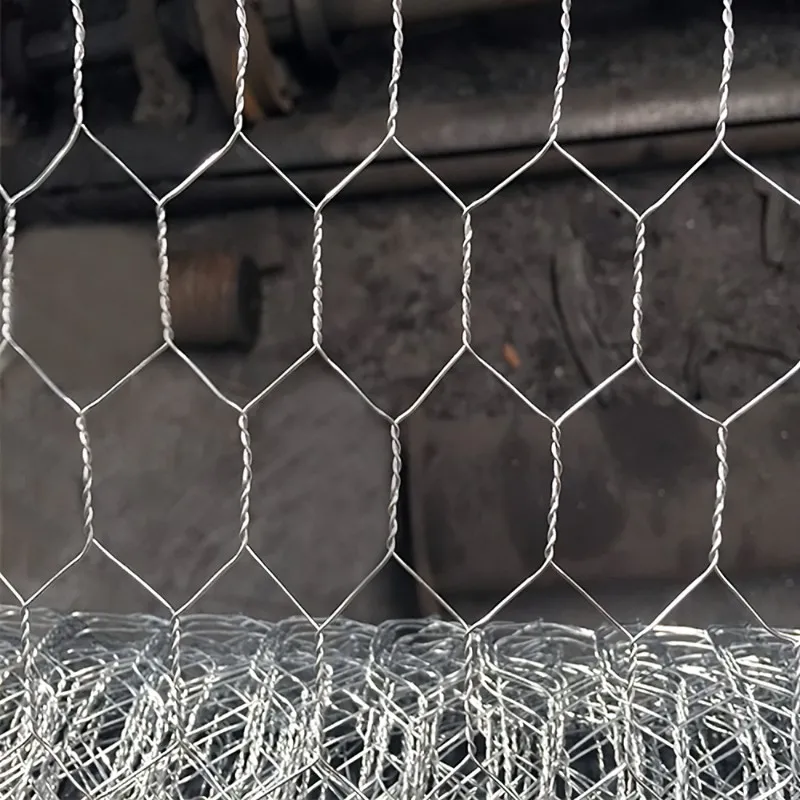
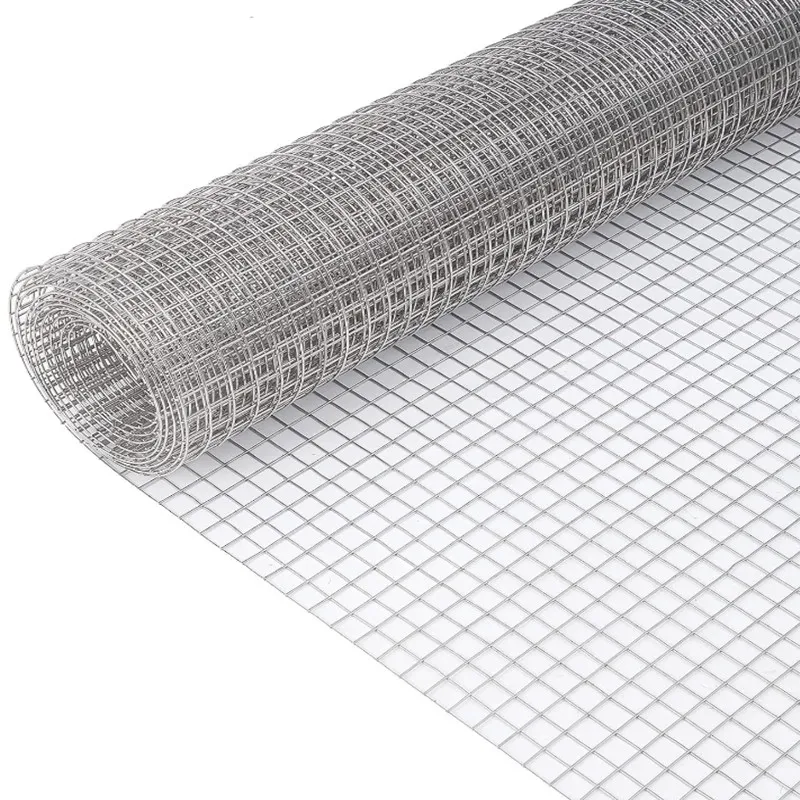
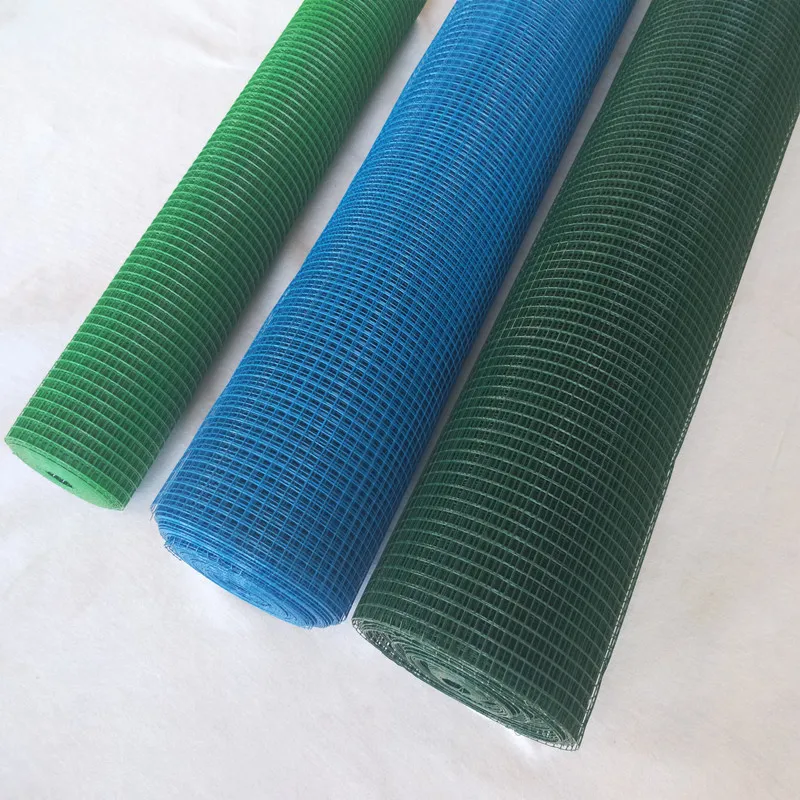
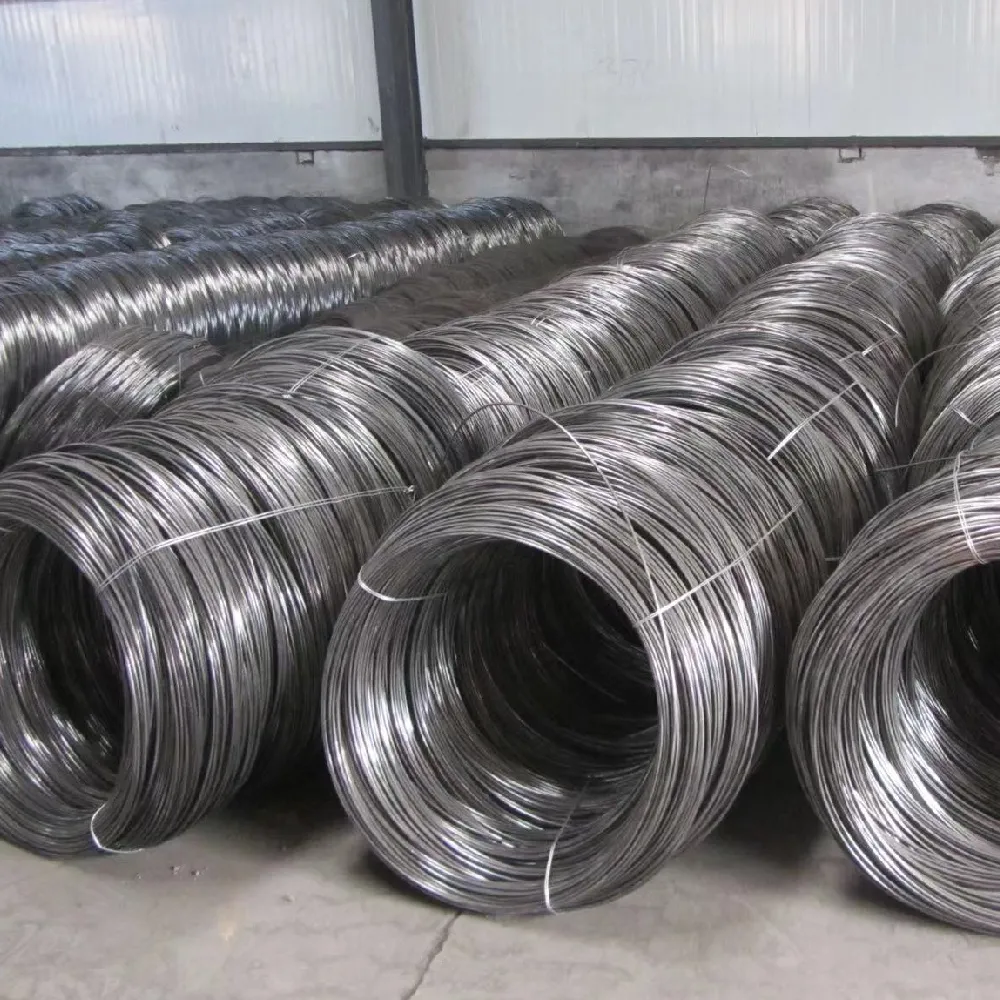
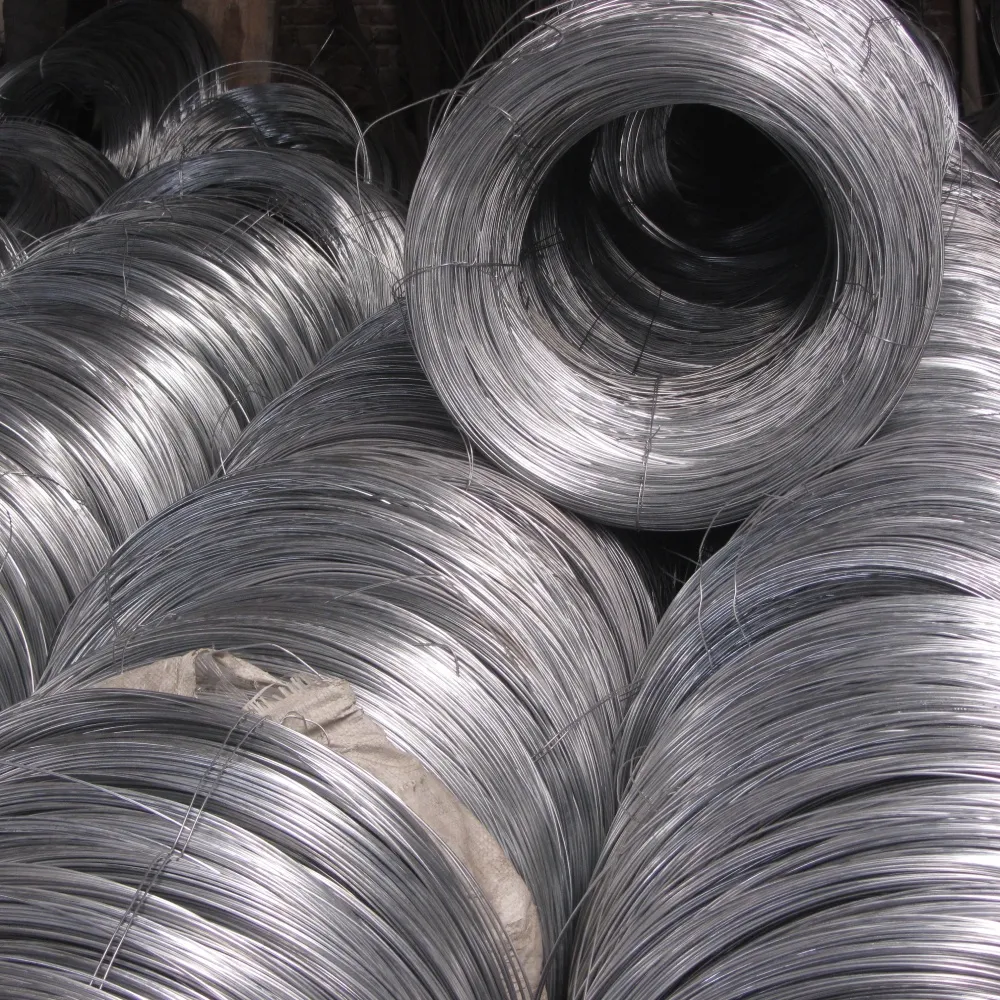
Typically, stainless steel metal lath is made from high-grade 300 or 400 series stainless steel. These alloys excel in resisting corrosion and general wear. The lath itself is a woven, expanded, or welded mesh depending on application specifics, offering a textured surface that plaster and mortar can ‘grab’ on to. That’s critical—you don’t want the finishing layer peeling off years down the line.
One thing I appreciate about stainless steel lath from manufacturers like Tike Metal is how consistent they keep the material thickness and weave pattern. Uniformity might sound minor, but frankly, it affects how quickly crews install the product and how well it performs under stress tests.
| Specification | Details |
|---|---|
| Material | 300 & 400 Series Stainless Steel |
| Thickness | 16 - 20 gauge (varies by product) |
| Mesh Type | Expanded, Welded, or Woven |
| Finish | Mill Finish or Electro-Polished |
| Common Uses | Plaster, Stucco, Concrete Reinforcement |
Not all stainless steel metal lath products are created equal. I’ve dealt with several suppliers over the years, and it’s clear that factors like quality control, price, available customization, and delivery times make a huge difference on the ground. Here’s a pared-down vendor comparison that might give you an idea:
| Vendor | Quality Consistency | Price Range | Customization Options | Lead Time |
|---|---|---|---|---|
| Tike Metal | Very High | Mid to High | Extensive (gauges, mesh types) | 2-3 weeks |
| Generic Supplier A | Medium | Low | Limited | 1-2 weeks |
| Premium Metals Co. | Highest | High | Custom engineering support | 4-5 weeks |
For those working on tight schedules but unwilling to compromise on quality, Tike Metal’s stainless steel metal lath strikes a solid balance. I find their responsiveness particularly helpful when projects hit a snag and you need fast answers.
Honestly, with evolving building codes and increasing demands for sustainability, this is no time to skimp on materials that matter. Stainless steel metal lath is corrosion resistant, less prone to failure, and helps environments stay structurally sound for decades. Whether it’s a coastal hotel, a commercial parking structure, or a residential lap siding, the advantages stack up.
Plus, there’s an undervalued sustainability angle here. Stainless steel is highly recyclable. So when a structure eventually retires or renovations happen, the lath itself doesn’t just become waste. It’s a material with a life beyond a single job, you know? Something worth thinking about in this age of green construction.
In the end, while it might feel like a small detail, the metal lath you choose really shapes outcomes. If you’ve never had the chance, I encourage you to see stainless steel metal lath in action—once you’ve experienced the consistency and durability, it’s tough to go back.
To sum up: it feels like one of those stealth products that just works quietly behind the scenes, making everyone’s job easier and the final results stronger.
References:
RELATED PRODUCTS





Top