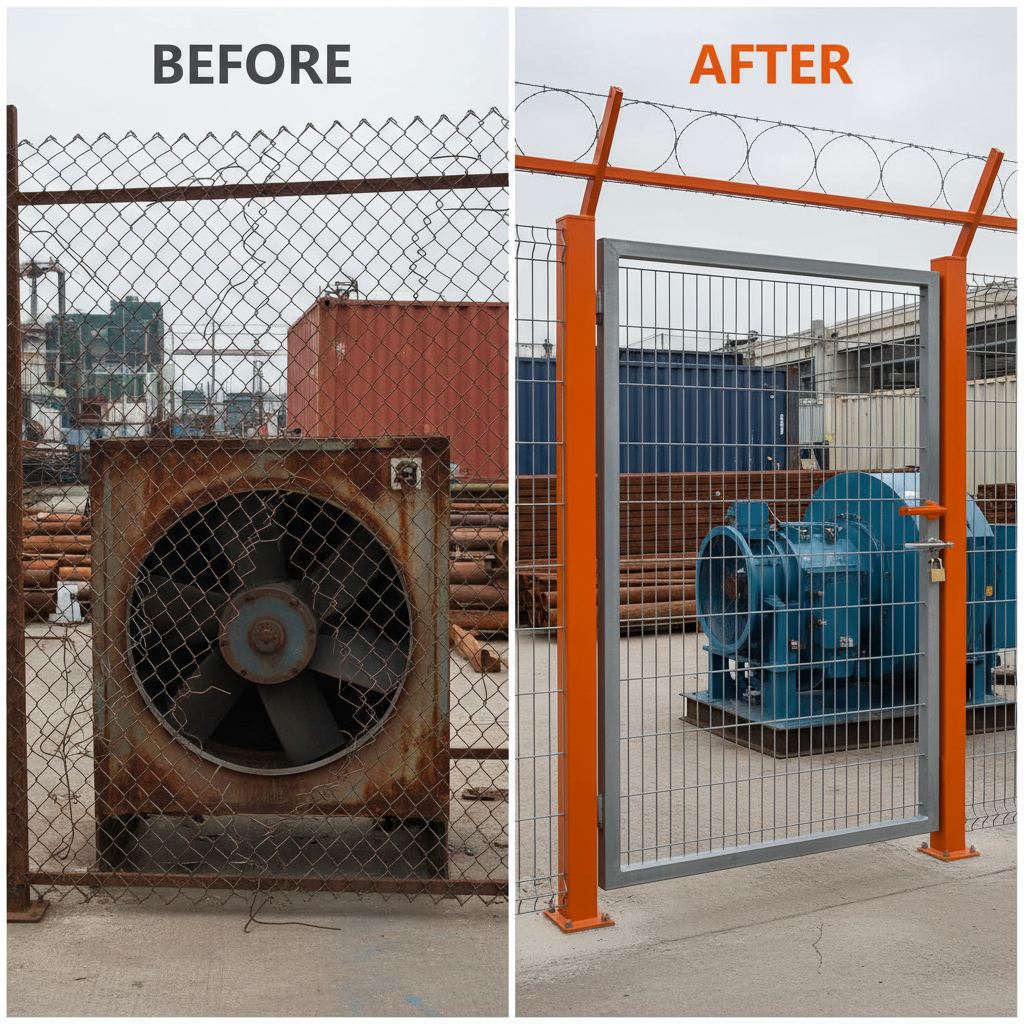
Wire net mesh, a versatile material fabricated from interconnected wires, plays a critical role in countless applications globally. From reinforcing concrete structures to safeguarding agricultural harvests, its adaptability and cost-effectiveness make it indispensable across diverse industries. Understanding the properties and applications of wire net mesh is paramount for engineers, architects, farmers, and humanitarian organizations alike, enabling them to implement efficient and sustainable solutions to complex challenges.
The global demand for wire net mesh is significantly influenced by infrastructure development, agricultural practices, and disaster relief efforts. According to the World Bank, investments in infrastructure are projected to reach trillions of dollars in the coming decades, driving the need for robust and reliable materials like wire net mesh. Furthermore, the UN Food and Agriculture Organization emphasizes the importance of efficient food production, where wire net mesh provides vital protection for crops and livestock. This underscores the material’s significance in addressing global challenges related to food security and sustainable development.
The increasing adoption of wire net mesh isn't merely a matter of material science; it reflects a growing need for resilient and adaptable solutions in a rapidly changing world. As populations grow and environmental pressures mount, the demand for efficient construction, robust agricultural protection, and readily deployable disaster relief systems will only intensify, solidifying the position of wire net mesh as a crucial component of modern infrastructure and humanitarian aid.
Introduction to wire net mesh
Wire net mesh’s widespread use arises from its unique combination of strength, durability, and versatility. It isn't simply a material; it's a foundational element in securing infrastructure, safeguarding resources, and enabling effective response to global challenges. This makes a thorough understanding of its properties and applications critical for professionals across various sectors.
The simplicity of its construction belies the complexity of its potential. The interwoven nature of the wires creates a structural integrity that's surprisingly resistant to tearing and deformation, making it suitable for applications ranging from poultry enclosures to high-security fencing. Understanding the nuances of wire gauge, mesh size, and material composition is key to unlocking the full potential of wire net mesh.
Defining Wire Net Mesh
Wire net mesh is fundamentally a network of interconnected wires, typically made from materials like steel, stainless steel, aluminum, or even specialized alloys. The wires are woven, welded, or otherwise joined to create a grid-like structure with varying apertures (mesh size). This construction provides strength and stability while allowing for airflow, light penetration, or fluid drainage, depending on the specific application.
Its connection to modern industry is substantial. In construction, it serves as reinforcement within concrete, increasing tensile strength and preventing cracking. In agriculture, it protects crops from pests and provides support for climbing plants. In humanitarian contexts, wire net mesh can be used to create temporary shelters or mosquito nets, providing crucial protection in emergency situations.
Essentially, wire net mesh is a foundational element linking industrial processes with fundamental human needs – a material that quietly underpins both the infrastructure of modern society and the essentials of survival in challenging circumstances.
Key Characteristics of wire net mesh
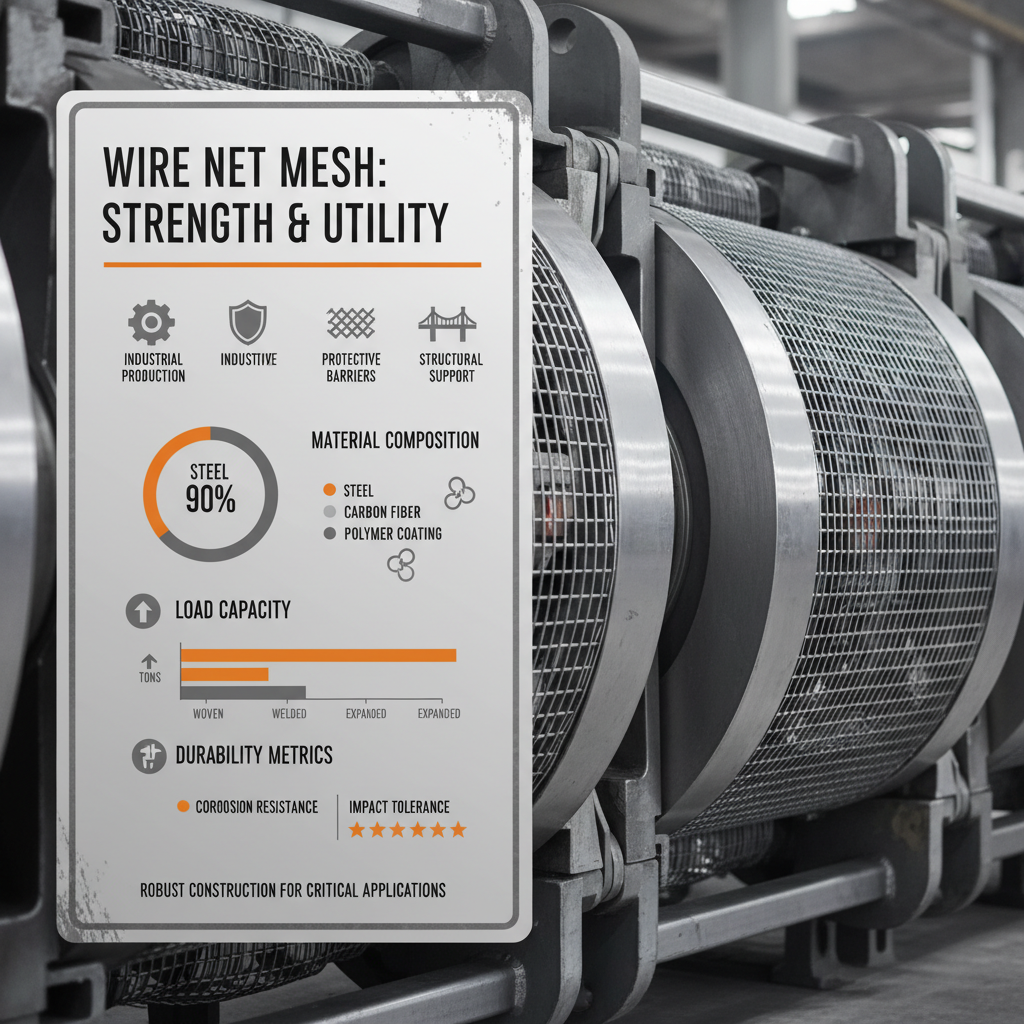
The enduring popularity of wire net mesh stems from a suite of key characteristics. First and foremost is its Durability. The materials used, particularly galvanized steel and stainless steel, offer excellent resistance to corrosion and weathering, ensuring a long service life even in harsh environments.
Secondly, its Versatility is remarkable. Mesh size, wire gauge, and material can be customized to meet a wide range of specific needs. From fine mesh for insect screens to heavy-gauge mesh for security fencing, the adaptability of the material is a major advantage.
Cost-Effectiveness is another significant factor. Compared to many alternative materials, wire net mesh offers a high strength-to-weight ratio at a relatively low cost, making it an economical choice for many applications. Furthermore, its Scalability allows for production in various sizes and quantities, accommodating projects large and small. Finally, the Ease of Installation contributes to its widespread adoption, as it can be readily cut, shaped, and secured using simple tools.
Applications Across Industries
The application of wire net mesh is pervasive across numerous industries. In the construction sector, it's used for concrete reinforcement, plastering lath, and crack control in walls and ceilings. The wire net mesh increases the structural integrity of buildings and prevents costly repairs.
In agriculture, wire net mesh is essential for creating poultry enclosures, protecting crops from pests, and supporting climbing plants. Farmers rely on its durability and weather resistance to safeguard their harvests. The mining industry utilizes it for screening materials, reinforcing mine shafts, and preventing rockfalls.
Beyond these, wire net mesh finds application in security fencing, filtration systems, packaging, automotive components, and even medical implants. Its versatility makes it an indispensable component in many everyday products and critical industrial processes.
wire net mesh Application Ratings by Industry
Advantages of Using wire net mesh
The benefits of utilizing wire net mesh extend far beyond its inherent physical properties. Significant Cost Savings are realized through its affordability and reduced maintenance requirements. wire net mesh generally requires minimal upkeep, decreasing long-term operational expenses.
Sustainability is another key advantage. Many wire net mesh products are made from recyclable materials, reducing environmental impact. Its durability also contributes to sustainability by extending the lifespan of structures and reducing the need for frequent replacements.
Future Trends in wire net mesh Technology
Innovation in wire net mesh is focused on enhancing performance and sustainability. The development of new alloys with increased corrosion resistance and strength is a key trend. Furthermore, advancements in weaving and welding techniques are leading to tighter mesh sizes and more uniform structures.
The integration of smart technologies is also emerging. Conductive wire net mesh is being explored for applications in sensors and electromagnetic shielding. Additionally, the use of recycled materials and bio-based polymers is gaining traction, aligning with the growing demand for environmentally friendly products.
These advancements will further expand the application of wire net mesh into new and exciting areas, solidifying its role as a vital material for the future.
Challenges and Innovative Solutions
Despite its many advantages, wire net mesh faces certain challenges. Corrosion, particularly in harsh marine or industrial environments, remains a concern. However, advancements in coating technologies, such as galvanization and polymer coatings, are significantly mitigating this issue.
Another challenge is the potential for deformation under extreme loads. Researchers are developing new mesh designs and material combinations to enhance structural integrity and resistance to impact. The use of high-strength steel alloys and innovative weaving patterns are showing promising results.
Finally, ensuring responsible sourcing of materials and minimizing environmental impact during production are ongoing challenges. Adopting sustainable manufacturing practices and utilizing recycled materials are crucial steps towards addressing these concerns.
Summary of Key Challenges and Innovative Solutions for wire net mesh
| Challenge |
Impact Level (1-10) |
Proposed Solution |
Implementation Cost (1-10) |
| Corrosion in Harsh Environments |
8 |
Advanced Polymer Coatings |
6 |
| Deformation under Extreme Loads |
7 |
High-Strength Alloy Mesh Designs |
7 |
| Material Sourcing Sustainability |
6 |
Increased Use of Recycled Materials |
4 |
| Production Environmental Impact |
5 |
Sustainable Manufacturing Processes |
5 |
| Mesh Size Consistency |
4 |
Automated Weaving Technologies |
8 |
| Long-Term Durability Assessment |
5 |
Accelerated Weathering Testing Protocols |
3 |
FAQS
The most prevalent materials are steel (including carbon steel and stainless steel), aluminum, and galvanized steel. Stainless steel offers superior corrosion resistance, making it ideal for harsh environments. Aluminum is lightweight and corrosion-resistant, suitable for applications like insect screens. Galvanized steel provides a cost-effective balance of strength and corrosion protection. The choice depends on the specific application and budget.
Mesh size, measured as the number of openings per inch, is crucial. Smaller mesh sizes offer greater containment but reduce airflow. Larger mesh sizes allow for better ventilation but may not prevent the passage of smaller objects. Consider what you're containing or filtering. For pest control, you’ll need a smaller mesh than for general plant support. Consult with a supplier to determine the optimal mesh size for your needs.
Woven wire net mesh is created by interweaving wires in a pattern, offering greater flexibility and strength. Welded wire net mesh is formed by fusing wires together at each intersection, resulting in a more rigid structure. Woven mesh is often preferred for applications requiring elasticity, like animal enclosures, while welded mesh is suitable for applications demanding stability, like concrete reinforcement.
Several methods can prevent corrosion. Galvanization, coating the steel with a zinc layer, is a common and cost-effective solution. Polymer coatings offer enhanced protection, especially in marine environments. Stainless steel is inherently corrosion-resistant but more expensive. Regular cleaning and maintenance can also help prolong the lifespan of wire net mesh.
Yes, most wire net mesh is recyclable, particularly those made from steel and aluminum. Recycling reduces the environmental impact of production and conserves valuable resources. Contact a local recycling center to determine if they accept wire net mesh. Proper disposal of end-of-life materials is a growing priority in the industry.
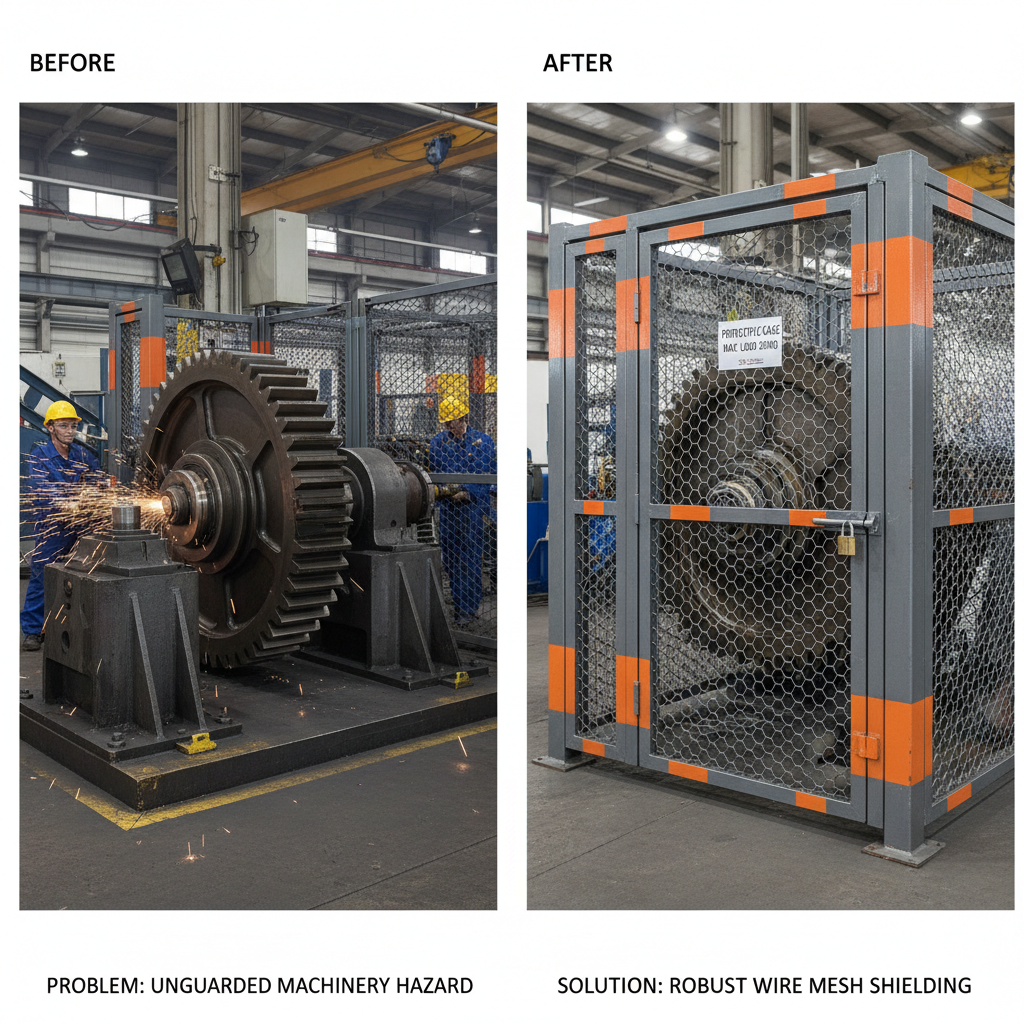
Wire net mesh can have sharp edges, so wear gloves and eye protection during handling. Use appropriate cutting tools and avoid creating loose wires. When installing, ensure the mesh is securely fastened to prevent collapse or injury. Follow all relevant safety guidelines for the specific application and materials involved.
Conclusion
In conclusion, wire net mesh is a remarkably versatile and essential material with applications spanning countless industries. Its inherent properties – durability, scalability, and cost-effectiveness – coupled with ongoing innovation, ensure its continued relevance in addressing global challenges related to infrastructure, agriculture, and humanitarian aid. From reinforcing concrete to safeguarding crops, the benefits of wire net mesh are far-reaching and impactful.
Looking ahead, sustainable sourcing, advanced material science, and integration with smart technologies will define the future of wire net mesh. By embracing these advancements, we can unlock even greater potential for this foundational material, enhancing its performance, minimizing its environmental footprint, and ultimately creating a more resilient and sustainable world. For superior quality wire net mesh solutions, visit our website today!