Having worked in the industrial equipment sector for over a decade, I've come across countless pest control solutions—some clever, others less so. Metal mesh for mice is one of those surprisingly simple yet incredibly effective tools that doesn’t get enough spotlight outside of its niche.
Frankly, in industrial environments, rodents aren't just a nuisance; they’re a hazard. They chew through wiring, contaminate food supplies, and trigger safety concerns. So you want something durable, reliable, and easy to implement. Oddly enough, a piece of well-engineered metal mesh often fits the bill better than any chemical or electronic gadget.
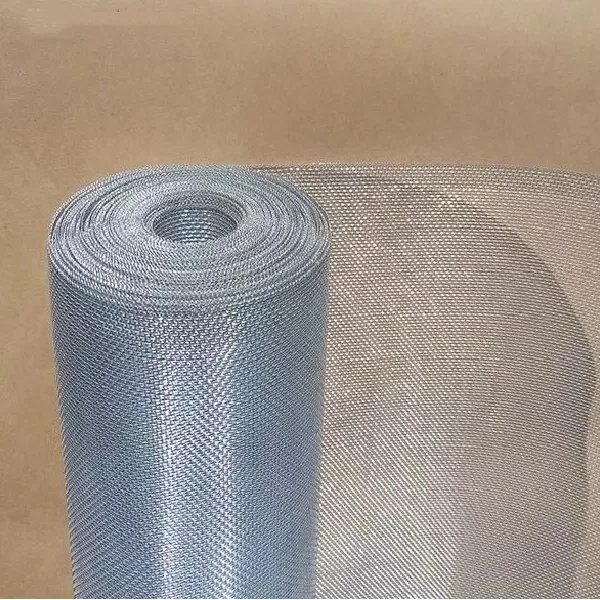
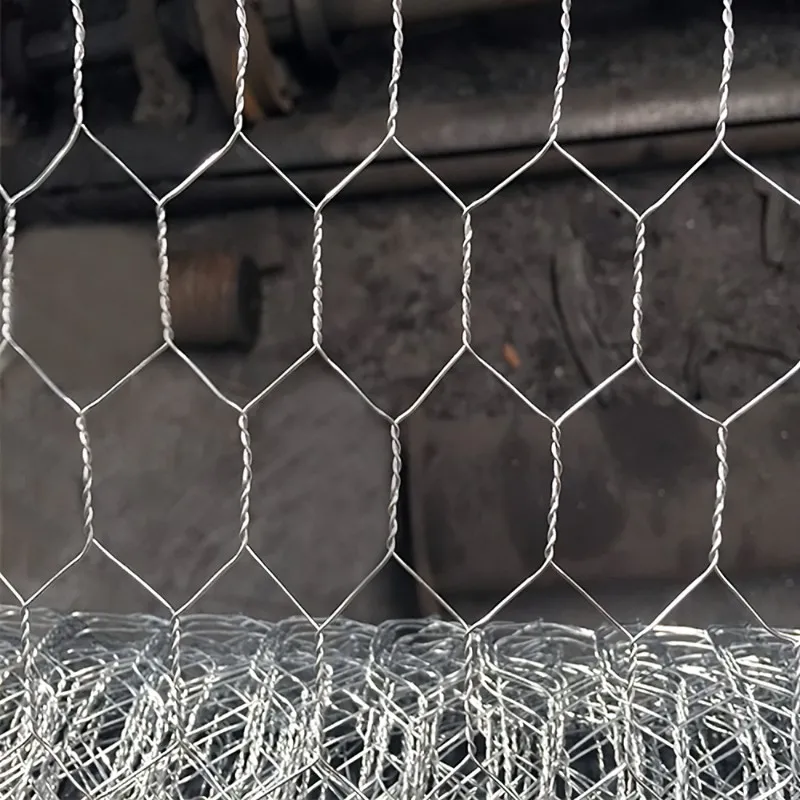
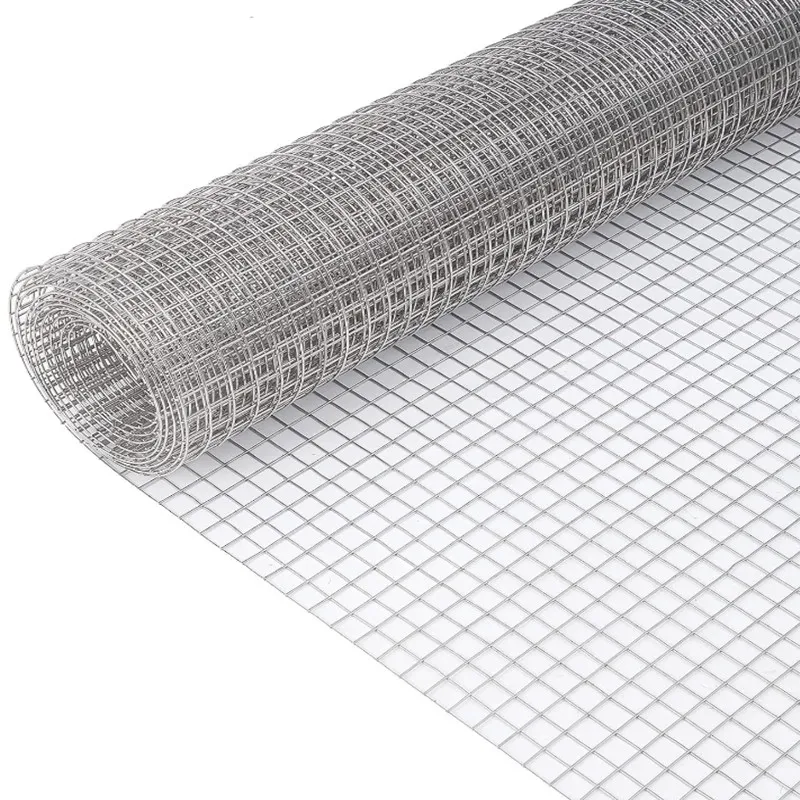
From my experience, the key lies in the design and quality of the mesh. Not just any steel screen will do. It needs to be stainless or galvanized steel with a wire diameter and aperture size small enough to block even the smallest mouse but large enough to prevent moisture buildup and corrosion. Many engineers I’ve chatted with insist that durability under harsh conditions is just as critical as the size specs.
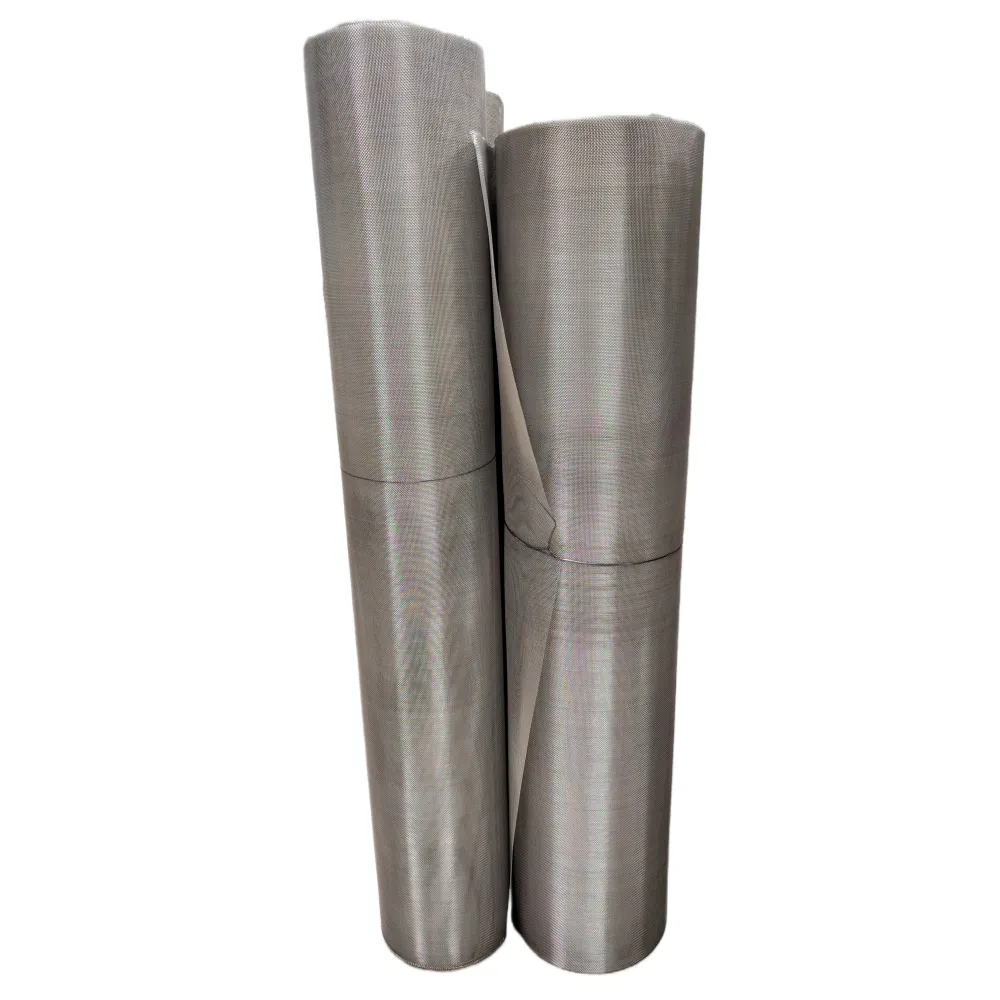
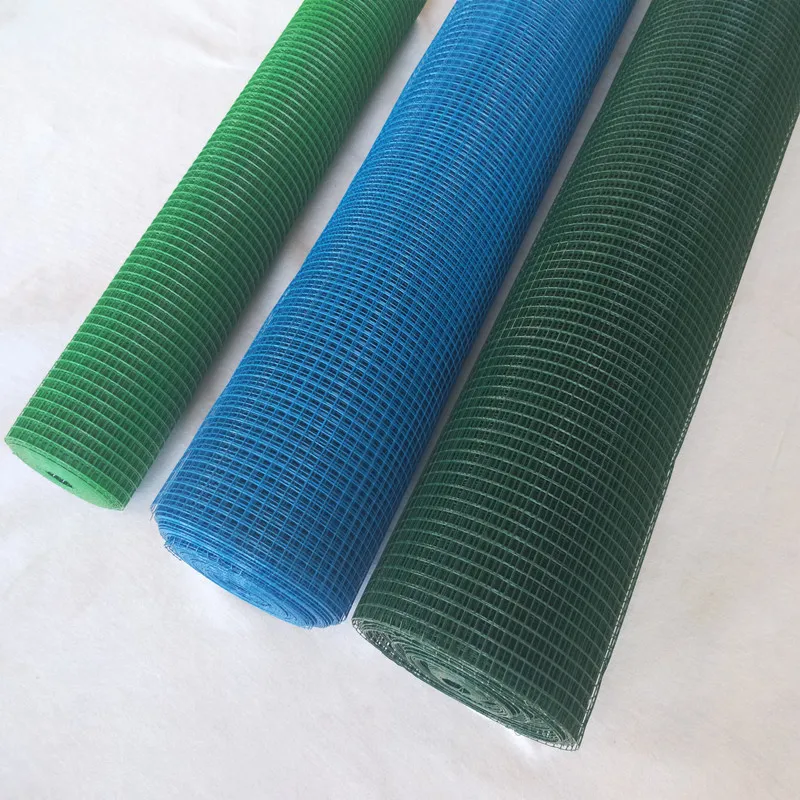
I’ve seen installations inside HVAC systems, under floors, and around cable conduits where this mesh acts as a physical barrier—resisting gnawing, rusting, and even UV damage if exposed. Plus, it’s often customizable. Suppliers offer roll widths, thicknesses, and weave patterns suited to different industrial settings. It feels like a classic “set it and forget it” solution when done right.
To give a clearer picture, here are some typical product specifications you’d expect when shopping for metal mesh for mice in industrial applications:
| Specification | Details |
|---|---|
| Material | Stainless Steel (304 / 316) or Galvanized Steel |
| Wire Diameter | 0.4 mm to 1.0 mm |
| Mesh Aperture (Opening Size) | 1 mm to 5 mm |
| Roll Width | 200 mm to 1200 mm |
| Surface Finish | Electropolished or Plain |
| Corrosion Resistance | High (depending on material) |
But, since not all meshes are created equal, I often recommend checking multiple vendors against key factors. Here’s a quick comparison of three popular suppliers based on parameters that matter to those with industrial setups:
| Vendor | Material Options | Custom Dimensions | Lead Time (weeks) | Corrosion Warranty |
|---|---|---|---|---|
| Tike Metal | SS 304, SS 316, Galv. | Yes | 2-3 | 5 years |
| SteelGuard | SS 304, Galv. | Limited | 3-4 | 3 years |
| MeshMates | SS 316 only | Yes | 4-6 | 7 years |
One story comes to mind: a regional packaging plant faced constant downtime due to mice chewing through electrical cables. After switching to stainless steel mesh barriers from a reliable vendor (Tike Metal, incidentally), the problem almost vanished within weeks. It was a classic case of a straightforward intervention making a world of difference. Hearing from the plant manager, it feels like a reminder that sometimes, traditional materials trump tech-heavy solutions.
In real terms, if you need to keep rodents out of tight spaces in industrial environments, investing in high-quality metal mesh for mice is a smart move. Just remember to consider the environment it will be exposed to, and choose your material and weave accordingly. Don’t skimp on customization and warranty — your peace of mind will be worth it.
All told, metal mesh seems old-school, but it’s got staying power. And oddly enough, it’s one of those things that once installed, you hardly notice—except when it saves your operation from a rodent-related nightmare. That’s a good kind of invisibility.
Takeaway: In the fight against industrial rodents, sometimes a simple, tailored steel mesh does the trick better than any fancy gadget.
References:
RELATED PRODUCTS





Top