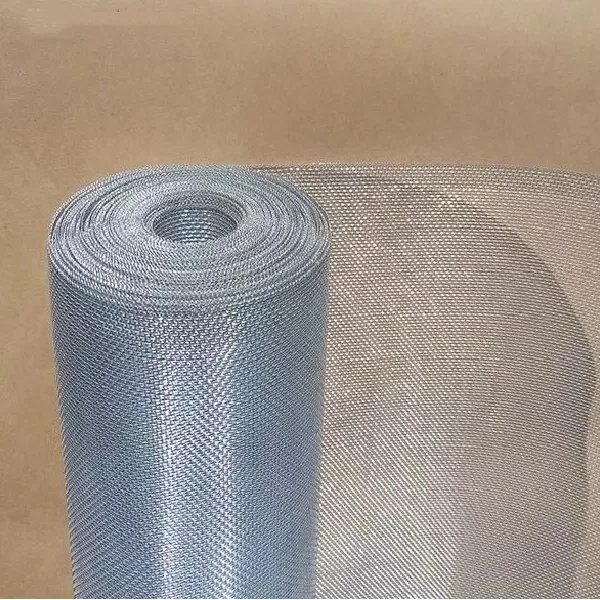
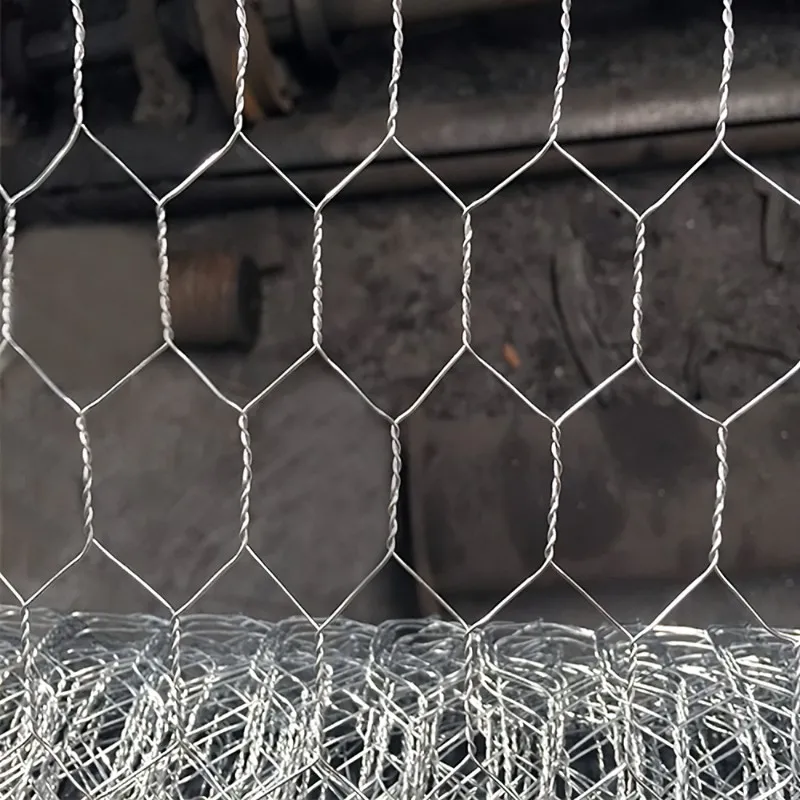
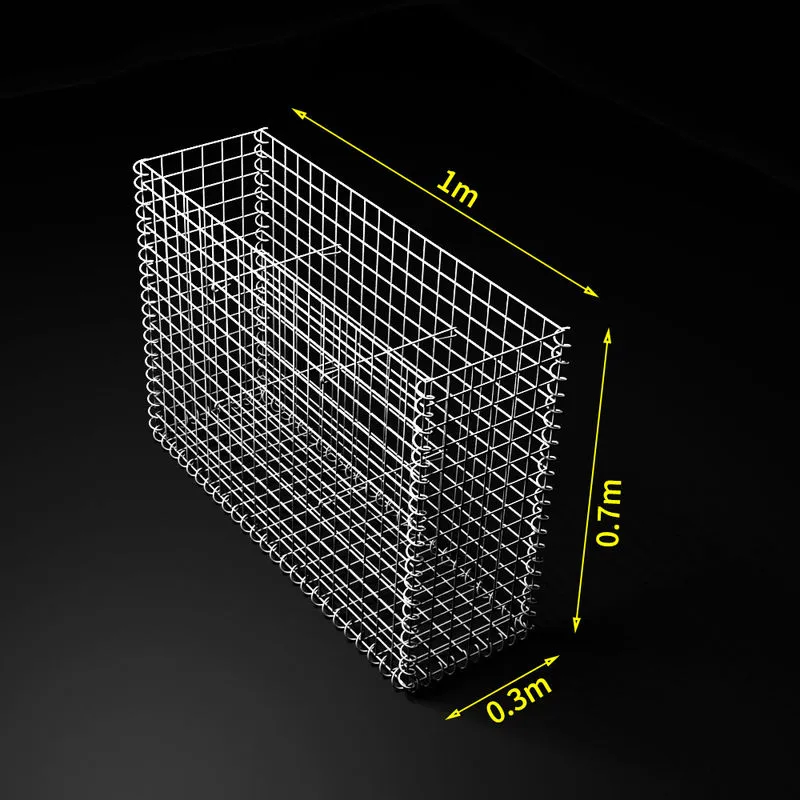
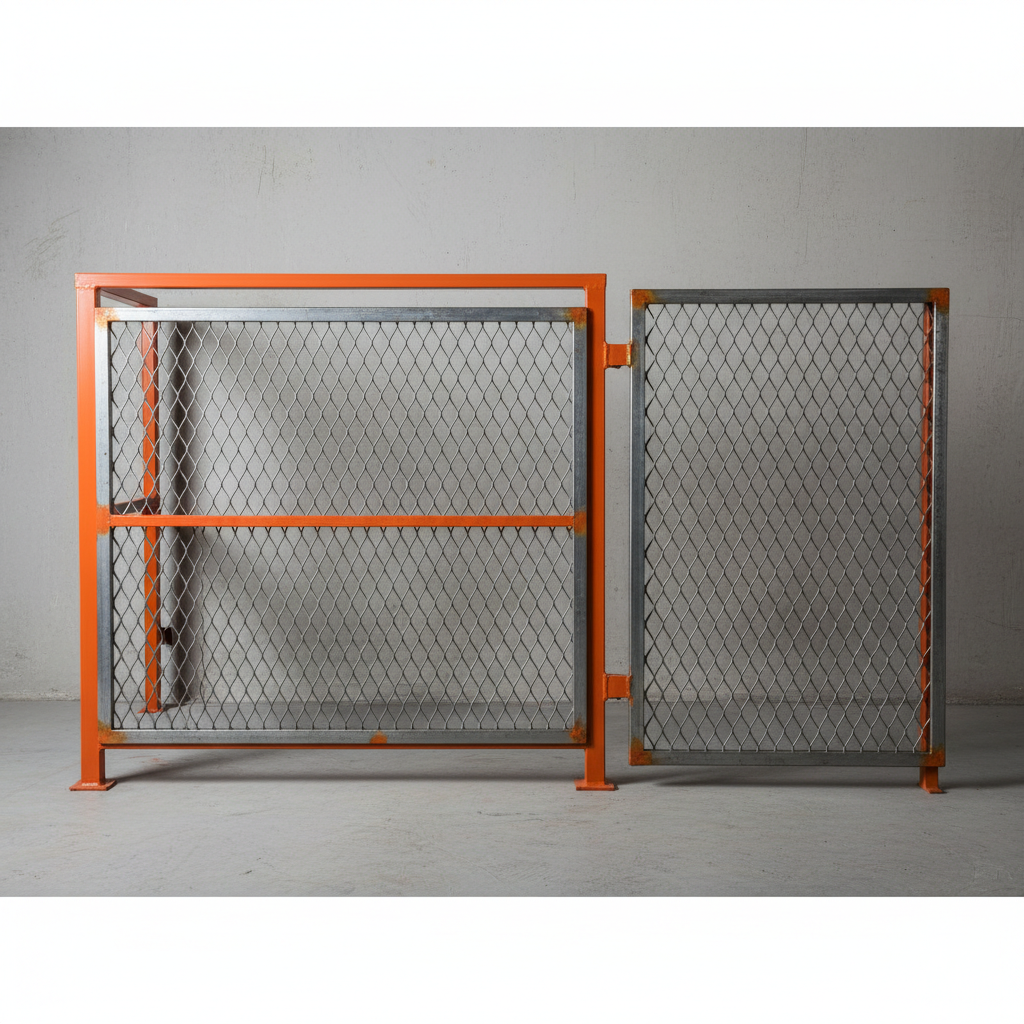
Having spent a good chunk of my career amidst industrial plants and fabrication floors, I've come to appreciate materials that feel just right for tough jobs—and expanded metal mesh grill is definitely one of those unsung heroes. You know, it’s the kind of product that rarely headlines a conversation but quietly holds up everything from architectural facades to heavy-duty machine guards.
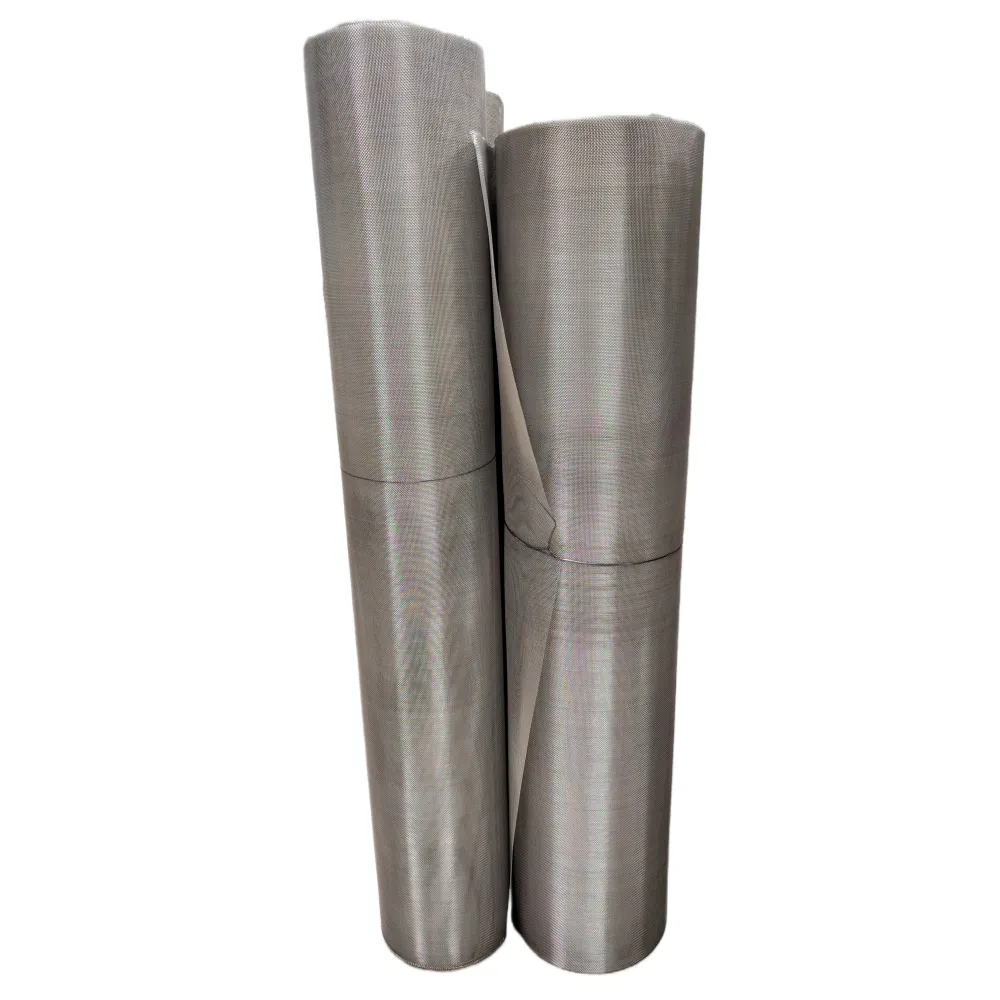
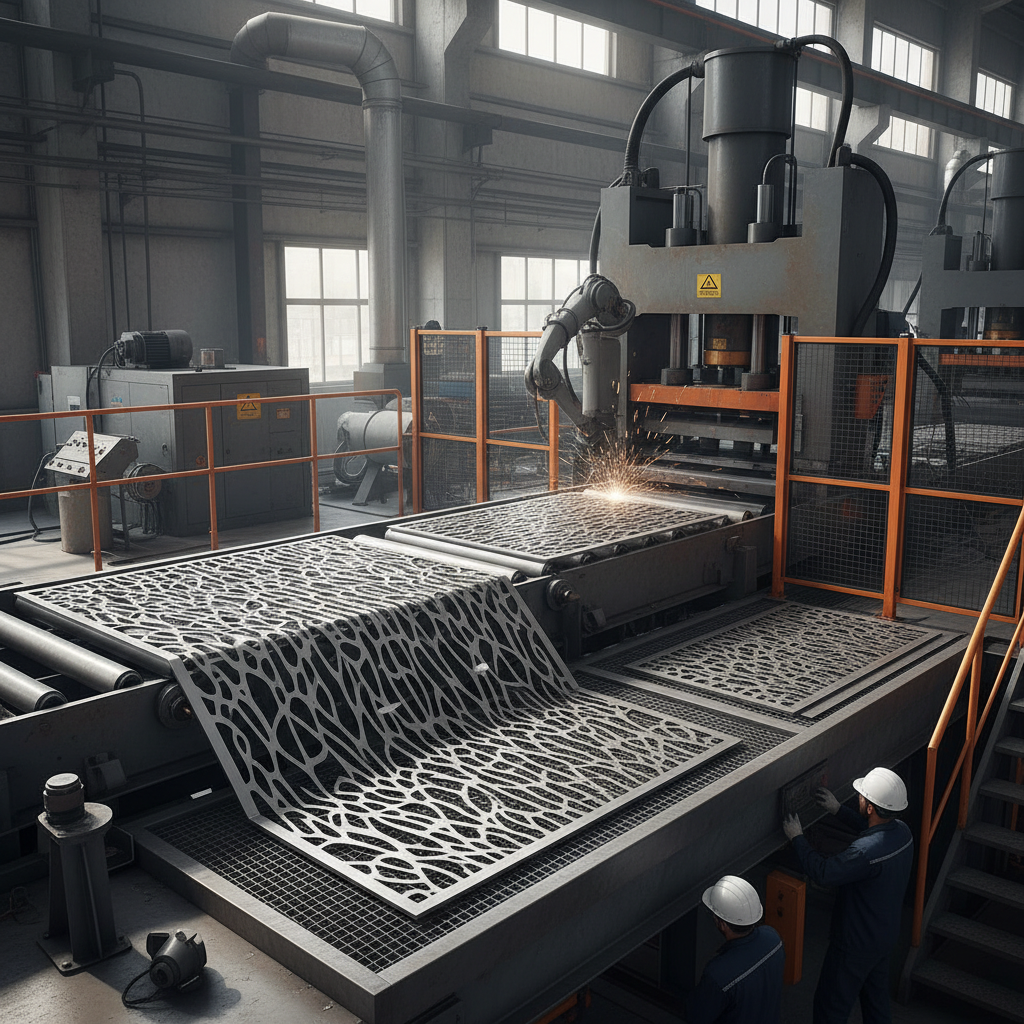
So, what exactly makes expanded metal mesh stand out? Frankly, it’s the clever way manufacturers transform a single sheet of metal into a rigid, lightweight grid by cutting and stretching it. No welding needed, no links to fail. This gives it a unique combination of strength and flexibility that’s hard to beat. In real terms, this means excellent load distribution and resistance to impacts or deformation—exactly what engineers and safety officers look for.
Oddly enough, I’ve noticed that while some tend to overlook the material’s chemistry, it has a starring role here. Most expanded metals are made from steel, stainless steel, or aluminum grades, each tailored for specific environments—whether corrosive fumes in a chemical plant or the brutal wear inside a manufacturing line. Stainless variants, for instance, bring corrosion resistance to the table, extending the lifespan even when exposed to moisture or chemicals.
| Specification | Details |
|---|---|
| Material Options | Carbon Steel, Stainless Steel, Aluminum |
| Sheet Thickness | 0.4 mm – 6 mm |
| Mesh Opening Size | 3 mm to 50 mm (customizable) |
| Surface Finish | Galvanized, Powder Coated, Painted, Anodized |
| Max Sheet Size | 2 m x 6 m (varies by supplier) |
| Weight Range | 0.5 – 12 kg/m² |
When it comes to industrial use—as I often remind new engineers—the devil is in the details: things like precise mesh size, thickness, or finish determine if the mesh grill can keep up with a conveyor belt’s grime or withstand a forklift bump. One thing I’ve learned is to always ask the vendor about certified load testing or abrasion resistance. You don’t want to guess your equipment's safety factor on “looks tough” alone.
| Supplier | Material Range | Customization | Typical Lead Time | Certifications |
|---|---|---|---|---|
| Tike Metal | Steel, Stainless Steel, Aluminum | Custom mesh sizes, sheet dimensions, finishes | 2-3 weeks | ISO 9001, RoHS Compliant |
| MetalGrid Co. | Steel, Galvanized Steel | Limited mesh sizes, standard finishes | 4-5 weeks | ISO 14001, CE Marked |
| ExpandAll Ltd. | Aluminum, Stainless Steel | Wide customization, but higher MOQ | 3-4 weeks | ISO 9001, ASTM Standard Compliance |
Customization often makes all the difference. I recall a jobsite where a local supplier’s stock mesh simply didn’t fit the ventilation requirements of a powder coating facility. Switching to a vendor offering finer mesh sizes and specialized galvanized coatings saved us weeks of downtime. That attention to detail is why I often steer people toward expanded metal mesh grill suppliers who are willing to tailor products to the application, rather than shoehorning in generic stock items.
And honestly, the tactile feel of a quality expanded metal mesh is satisfying—sturdy yet lightweight, with an almost architectural elegance when you see it installed. I suppose it helps that it’s a highly sustainable solution, too. Because it’s made by stretching rather than welding or weaving, material waste is minimal. Plus, steel varieties can be recycled endlessly without losing integrity.
All things considered, expanded metal mesh grills are more than just “mesh.” They’re practical solutions that blend engineering, aesthetics, and economics in a way few other industrial materials do. They deserve a spotlight, if only for the quiet way they underpin so many operations.
In short: If you need a sturdy, customizable, and cost-effective grill for industrial or architectural use, expanded metal mesh should be your go-to. Trust me, years on the floor have taught me that firsthand.
References:
RELATED PRODUCTS





Top