Having spent over a decade working in the industrial equipment sector, I’ve seen trends come and go—but decorative expanded metal mesh has a certain staying power that’s hard to ignore. Frankly, it’s not just about utility anymore. It’s become a kind of industrial art, blending structural durability with aesthetic versatility in a way that’s almost poetic.
Expanded metal mesh has long been prized for strength and flexibility. But decorative variations take it a step further by refining patterns and finishes to create visually appealing surfaces. I remember a project years ago where we integrated a custom patterned mesh facade on a corporate building. It wasn't just a cladding; it was a statement — blending modern design with that unmistakable ruggedness you get from expanded metal.
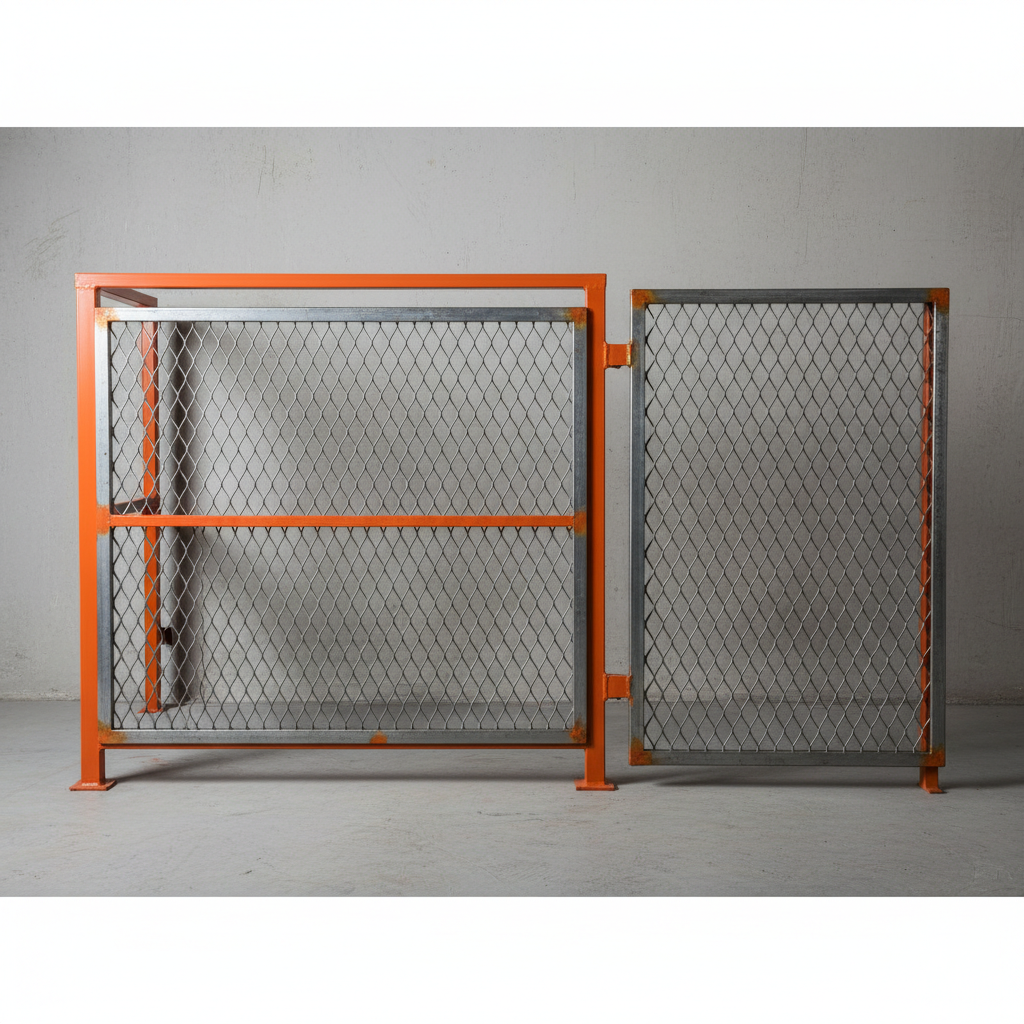
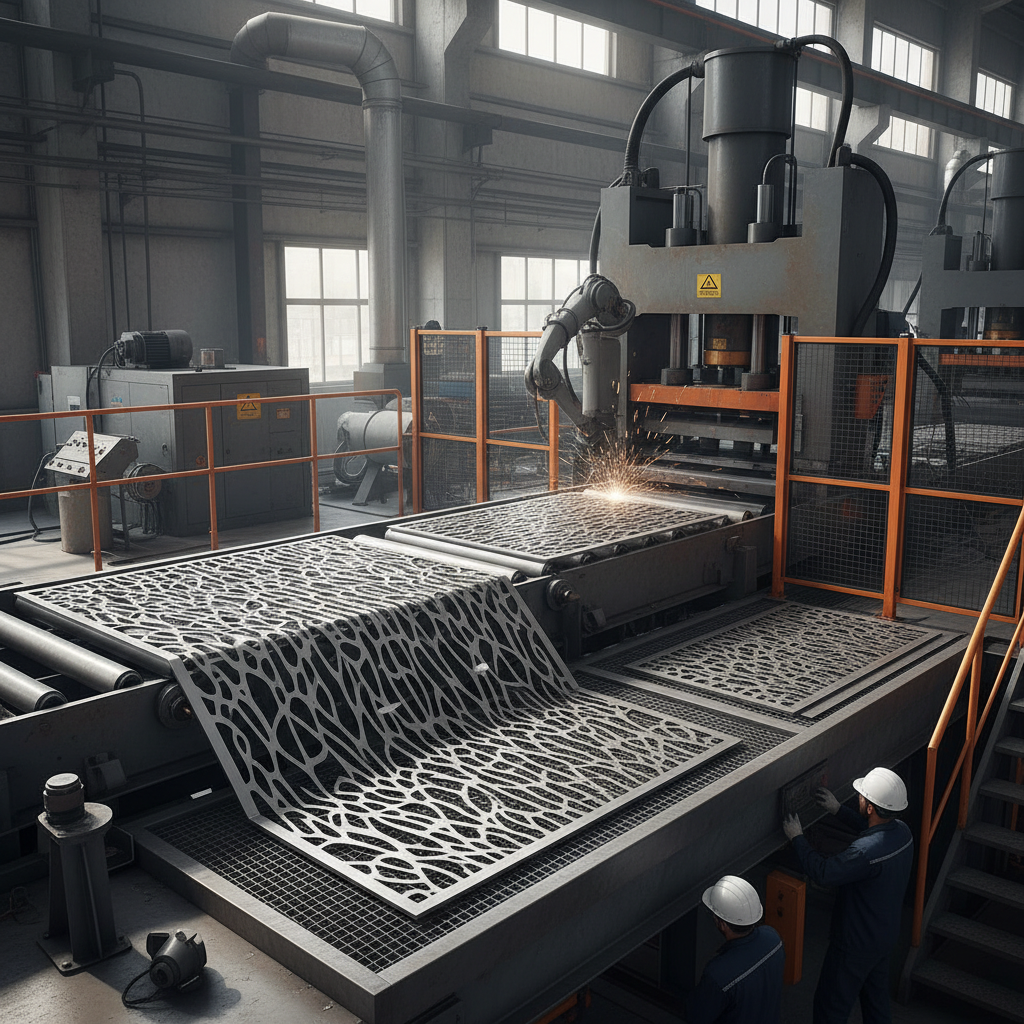
Technically speaking, decorative expanded metal mesh is produced by slitting and stretching the sheet metal, typically steel or aluminum, to form diamond- or hexagonal-shaped openings. However, what distinguishes decorative types is the attention to thinner gauges, tighter mesh patterns, and sometimes special coatings or finishes that add flair without sacrificing durability. Customers often ask about corrosion resistance, and thanks to options like galvanized or powder-coated finishes, this mesh can hold up well even in demanding environments.
It feels like the design possibilities are almost endless. Architects and engineers use it not only for facades but also interior partitions, sunshades, security screens, and even artistic installations. One particularly interesting case I recall involved a restaurant that used copper-colored decorative expanded metal panels as ceiling inlays – mixing industrial feel with warmth. Oddly enough, even in that application, the mesh’s robustness ensured that despite kitchen heat and humidity, the panels retained their shape and look.
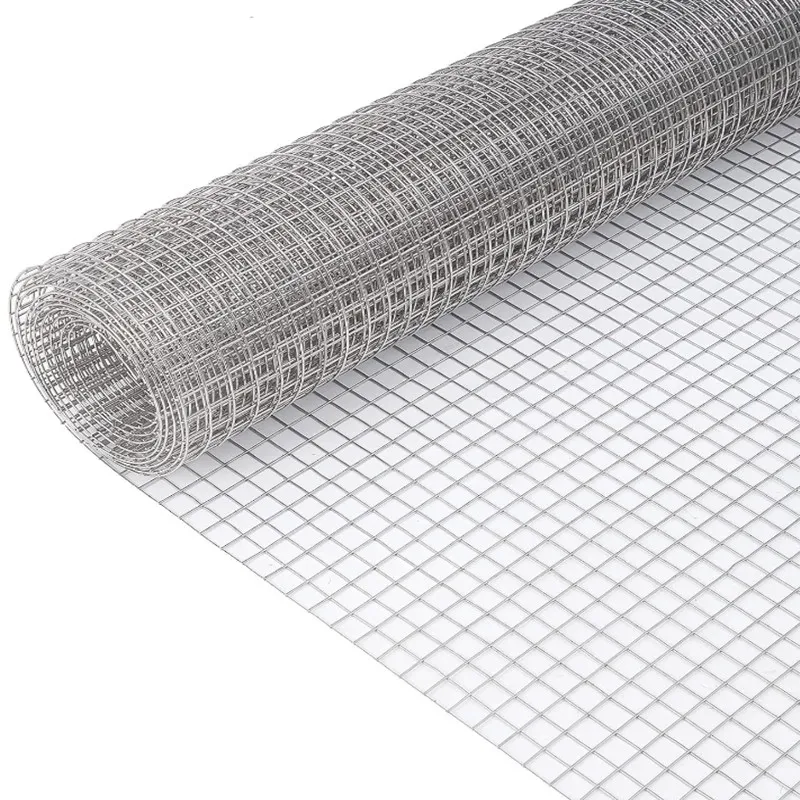
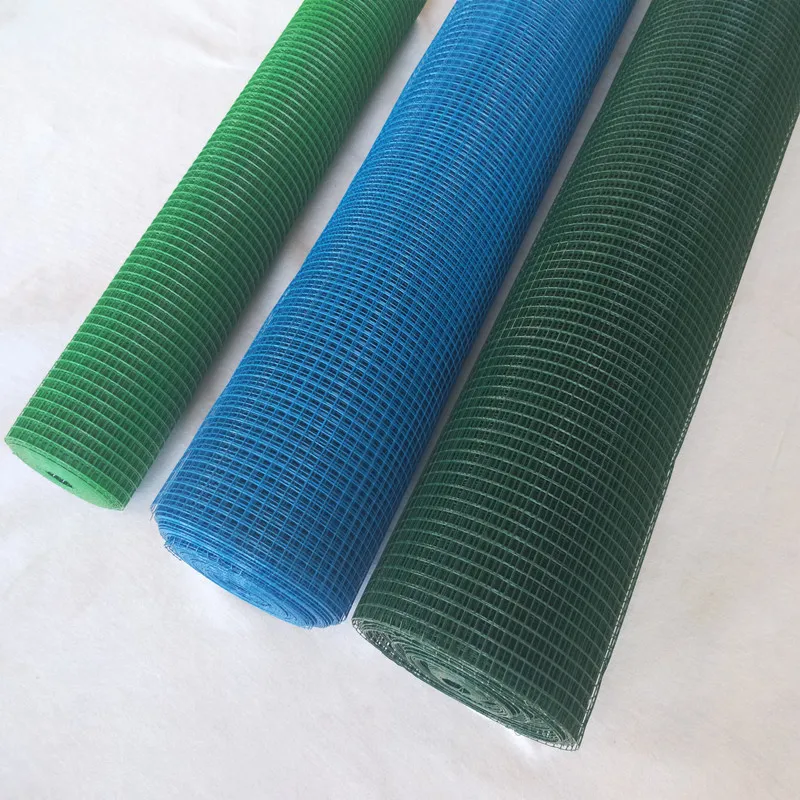
In real terms, the customization aspect is a big selling point. Manufacturers can adapt mesh patterns, strand widths, and sheet sizes to meet pretty much any design requirement. And because expanded metal is a single continuous piece, it’s tougher than welded mesh in many respects — less prone to seam failures or warping. Many engineers swear by it when safety and aesthetics need to coexist.
Here’s a quick glance at a typical decorative expanded metal mesh product spec breakdown. It may look straightforward, but the nuance lies in those precise measurements and material choices:
| Specification | Typical Range | Notes |
|---|---|---|
| Material | Steel, Aluminum, Copper | Material affects finish & durability |
| Gauge Thickness | 0.6 mm – 2.5 mm | Thinner mesh allows intricate patterns |
| Strand Width | 1.5 mm – 10 mm | Wider strands for additional strength |
| Mesh Opening Size | 3 mm – 50 mm | Pattern choice depends on light & airflow needs |
| Finish | Powder Coated, Galvanized, Anodized | Protects against corrosion, enhances aesthetics |
Now, if you’re wondering how the big players in this niche compare, here’s a quick vendor comparison I put together:
| Vendor | Customization Options | Material Range | Lead Time | Pricing |
|---|---|---|---|---|
| Tike Metal | High – custom patterns & finishes | Steel, Aluminum, Copper | 2–3 weeks | Competitive |
| MeshWorks | Medium – standard patterns | Steel, Aluminum | 1–2 weeks | Moderate |
| SteelArt Ltd. | Low – few patterns, bulk only | Steel only | 3–5 weeks | Low |
To be perfectly candid, choosing a vendor often depends on your project’s complexity and timeline. I’ve worked with Tike Metal a couple of times; they’ve been consistently responsive and flexible with design tweaks. That kind of partnership can make all the difference.
At the end of the day, decorative expanded metal mesh really is a blend of engineering grit and creative vision. It stands strong, looks good, and adapts well. If you’re considering it for your next project, remember: the details matter—materials, finish, and pattern. And when in doubt, don’t hesitate to chat with an experienced supplier who’s been around the block.
A small takeaway: Industrial doesn’t have to mean boring – decorative expanded metal proves that beautifully.
References:
1. "Expanded Metal Mesh Applications," Industrial Fabricators Journal, 2023.
2. "Material Choices and Corrosion Resistance," Metals Today, 2022.
3. Personal industry experience and client case studies (2010–2023).
RELATED PRODUCTS





Top