Metal mesh fence systems are becoming increasingly crucial in a world facing evolving security needs, rapid urbanization, and heightened disaster preparedness requirements. From perimeter security for critical infrastructure to temporary enclosures in emergency situations, the versatility and adaptability of metal mesh fence solutions are paramount. Understanding the nuances of these systems – their construction, applications, and future trends – is vital for professionals in security, construction, humanitarian aid, and related fields.
The global demand for robust and rapidly deployable fencing solutions is driven by factors ranging from geopolitical instability to the increasing frequency of natural disasters. Traditional fencing methods often fall short in terms of speed of deployment, cost-effectiveness, and adaptability to challenging terrains. Metal mesh fence addresses these shortcomings, offering a lighter, stronger, and more flexible alternative. The United Nations, for example, frequently utilizes temporary fencing solutions in peacekeeping and refugee camp settings.
Furthermore, the growth of industrial sectors in remote areas necessitates secure perimeters. Efficient logistics and cost-effective security are critical for these operations, making metal mesh fence an ideal choice. The expanding focus on border security and crowd control also contributes to the rising adoption of these systems worldwide.
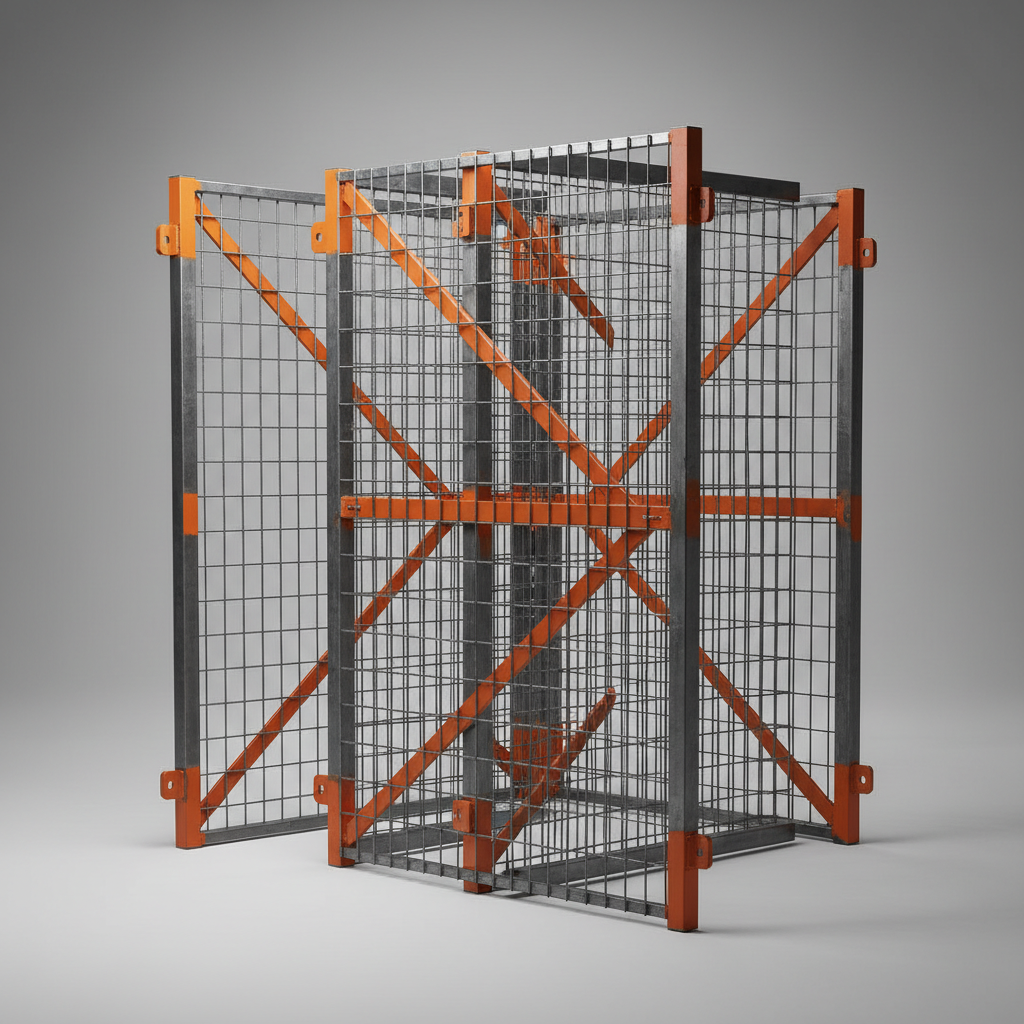
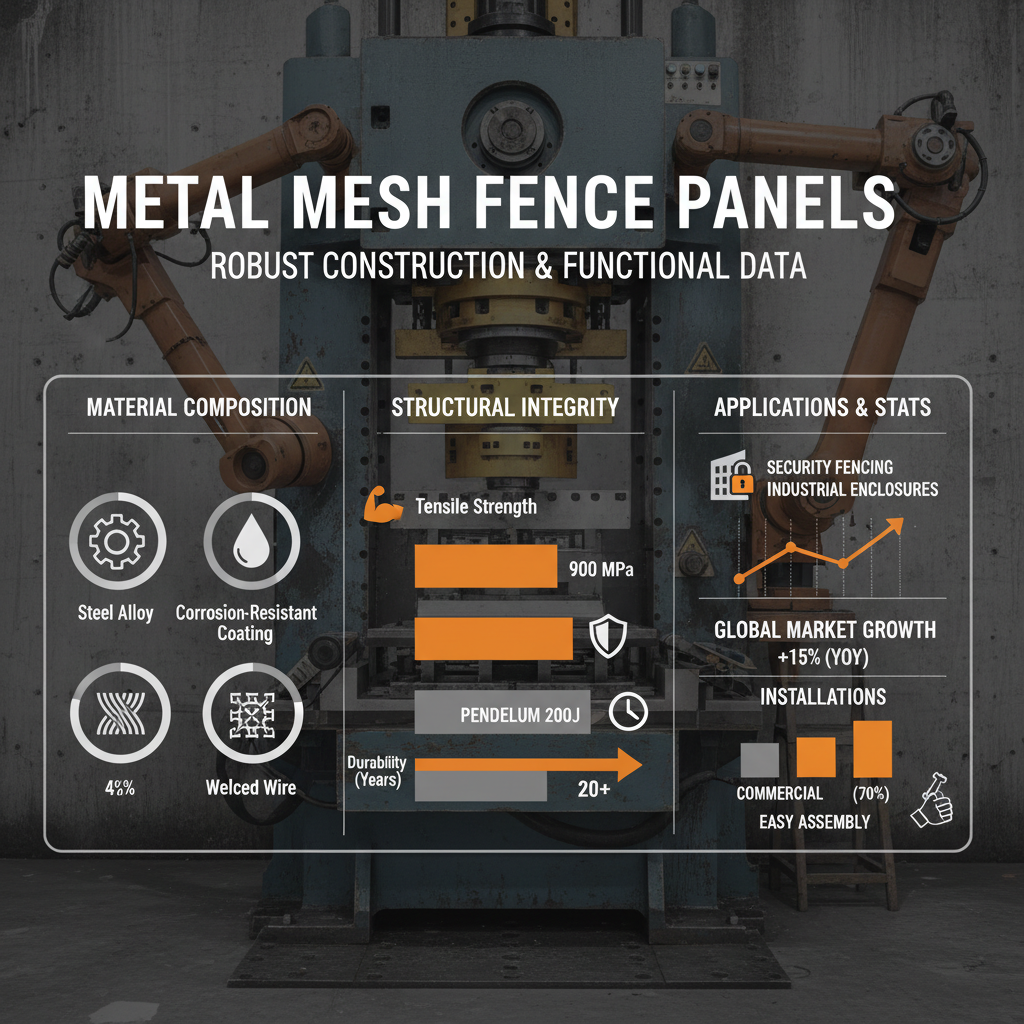
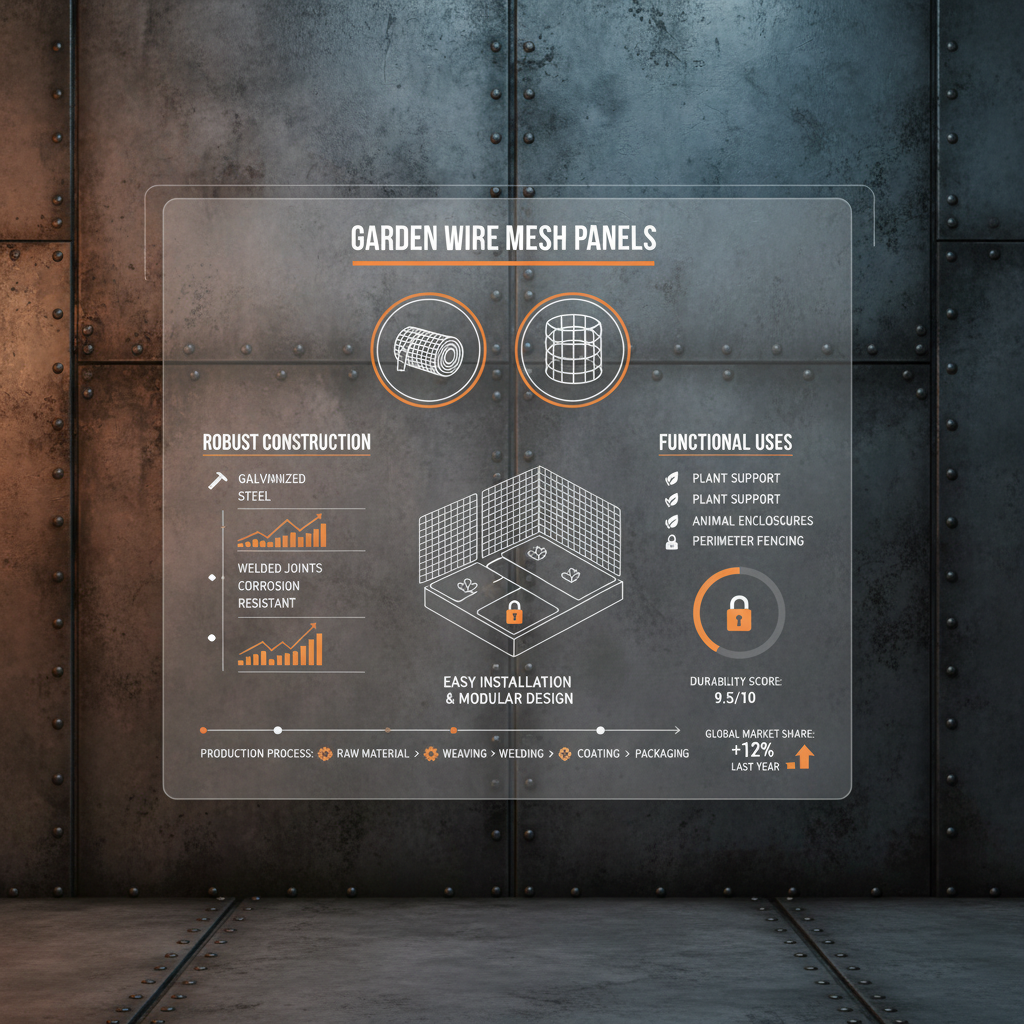
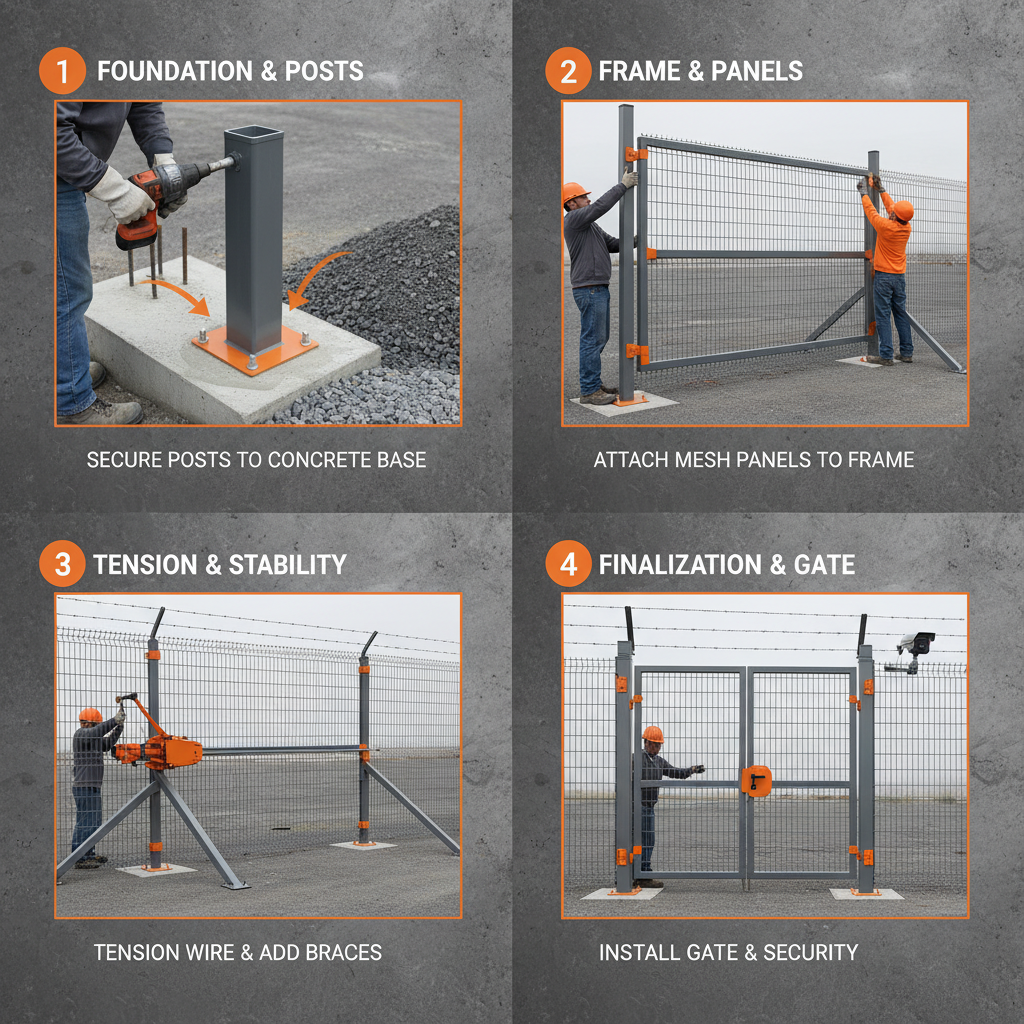
Metal mesh fence provides a practical and effective solution for a wide range of security and containment needs. Its inherent flexibility allows for easy adaptation to diverse terrains and site conditions, while its robust construction ensures long-lasting durability. The modular nature of these systems simplifies installation and reconfiguration, offering a significant advantage over traditional fencing alternatives.
Its lightweight composition makes transport efficient and economical, crucial for rapid deployment scenarios. Furthermore, the open weave design of many metal mesh fence systems often allows for increased visibility and airflow – important considerations in certain applications, such as crowd control or temporary holding areas.
Metal mesh fence often offers greater strength-to-weight ratio, improved aesthetics, and faster deployment compared to chain-link. It also generally requires less maintenance and can be adapted to uneven terrain more easily. Additionally, some mesh designs offer better visibility for security monitoring, while others provide increased privacy. Its resistance to cutting and climbing is often higher than traditional chain-link as well.
The wire gauge directly correlates to the fence's strength and resistance to cutting or breaching. A thicker gauge indicates a more robust and secure fence. Choosing the appropriate gauge depends on the level of security required and the potential threats in the area. For high-security applications, a heavier gauge wire is essential.
With proper installation and material selection (such as galvanized or powder-coated steel), a metal mesh fence can last for 15-25 years or more. Maintenance typically involves periodic inspection for damage, cleaning to remove debris, and reapplication of protective coatings if necessary. The relatively low maintenance is a key advantage of these systems.
Yes, with the correct material selection. Stainless steel or heavily galvanized and powder-coated metal mesh fence is highly resistant to corrosion from saltwater and humidity. Regular inspection and maintenance are still recommended in coastal areas to ensure long-term performance, but the right materials can significantly extend the fence's lifespan.
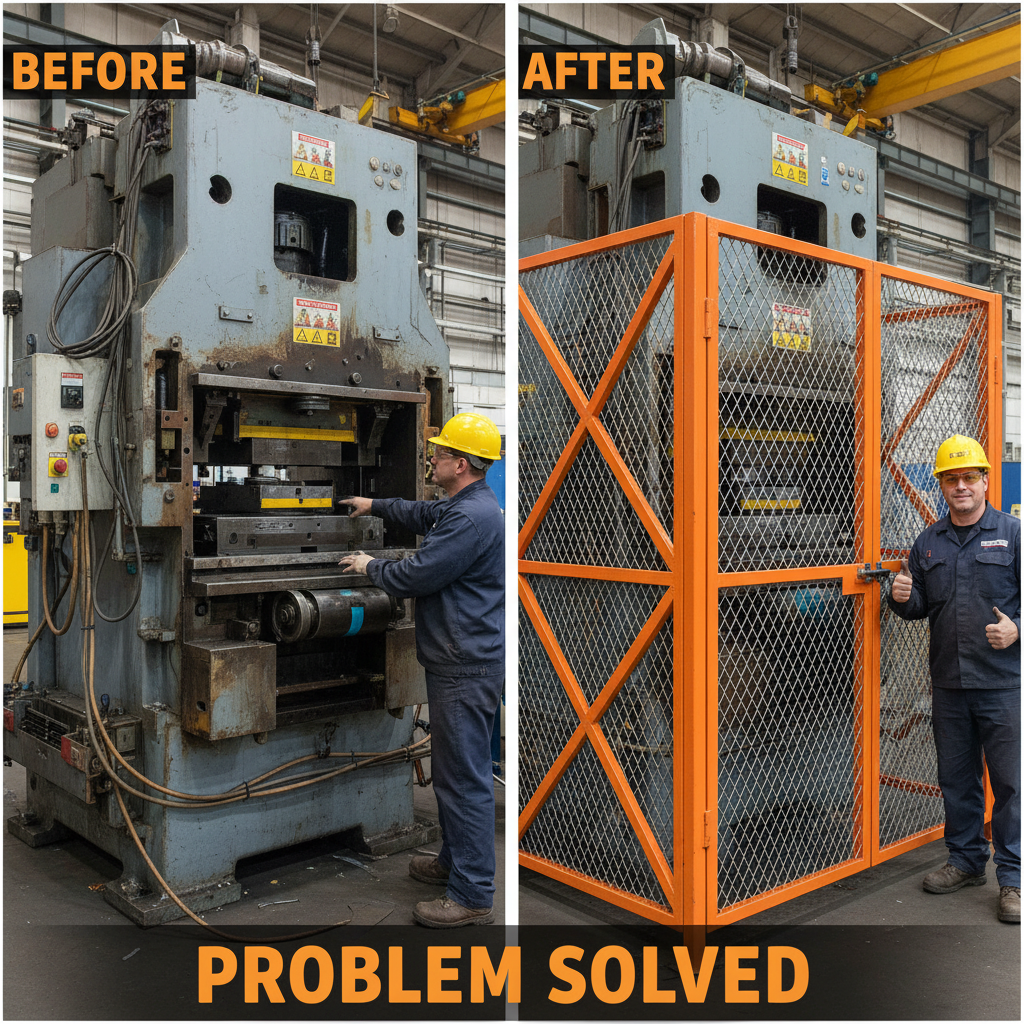
Metal mesh fence is frequently used for crowd control at events, perimeter security at construction sites, temporary enclosures at disaster relief operations, and secure holding areas at festivals or sporting events. Its rapid deployment capabilities and adaptability make it ideal for these short-term applications.
Yes, metal mesh fence is commonly used for animal containment. The appropriate mesh size depends on the type of animal being contained. Smaller mesh sizes are needed for smaller animals, while larger mesh sizes can be used for larger livestock. Ensuring the mesh is strong enough to withstand the animal’s weight and potential attempts to breach the fence is critical.
Metal mesh fence stands as a versatile and adaptable solution to a wide range of security, containment, and delineation challenges. Its inherent advantages – durability, scalability, cost-efficiency, and rapid deployment – make it a compelling alternative to traditional fencing methods. From humanitarian aid efforts to industrial security, the applications are diverse and continually expanding. Understanding the nuances of material selection, installation techniques, and emerging trends is crucial for maximizing the benefits of this technology.
Looking ahead, continued innovation in materials science and smart technologies will further enhance the capabilities of metal mesh fence systems. A greater focus on sustainability and eco-friendly manufacturing processes will also drive advancements in this field. For organizations seeking reliable, cost-effective, and adaptable perimeter solutions, exploring the possibilities of metal mesh fence is a worthwhile investment.






Top