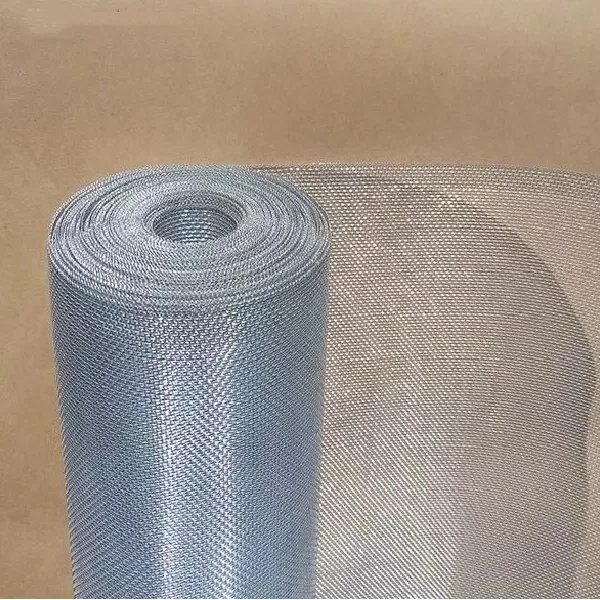
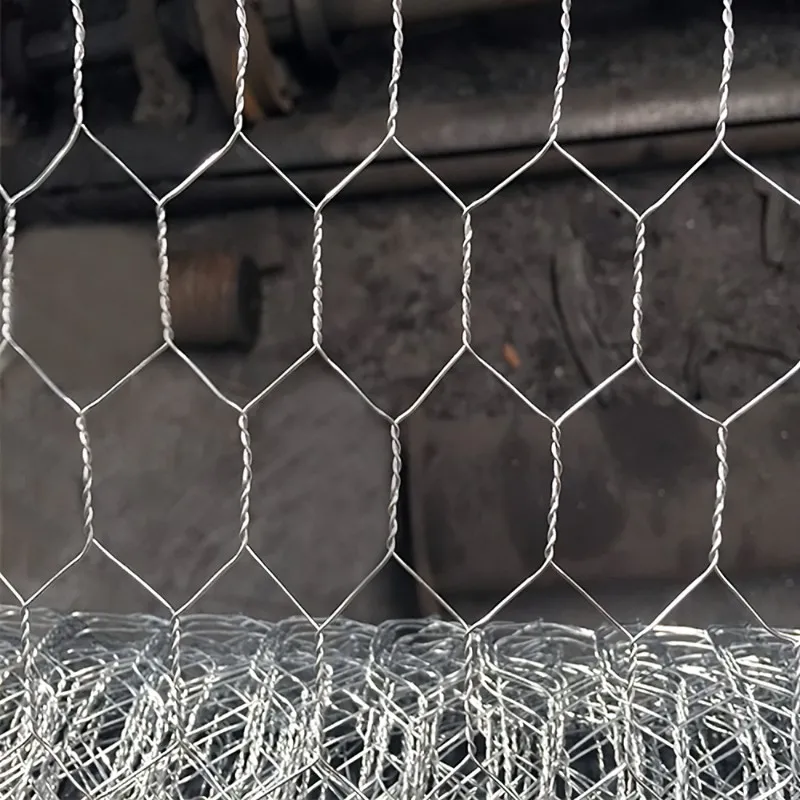
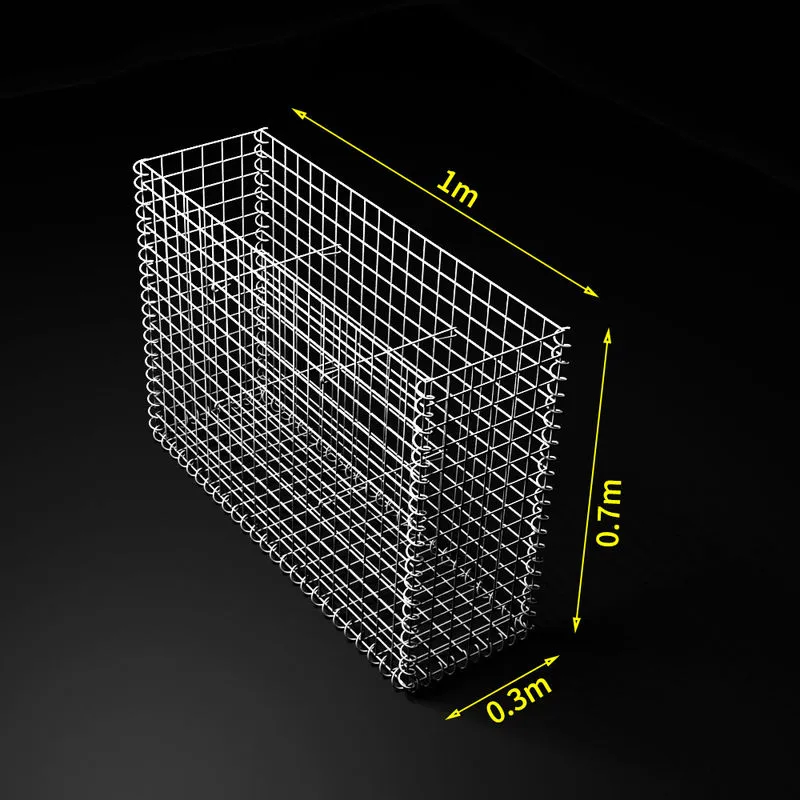
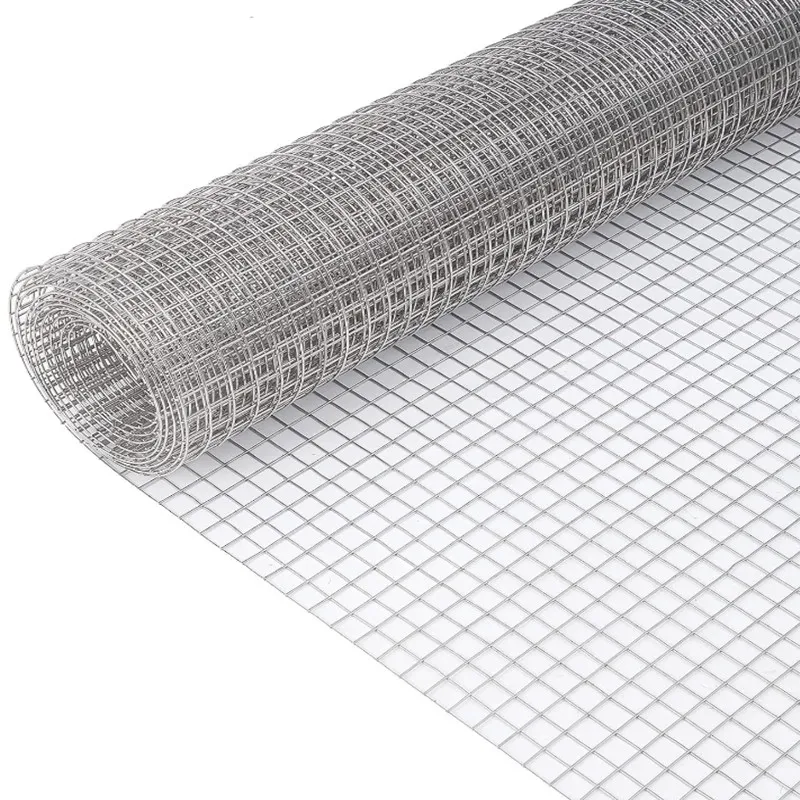
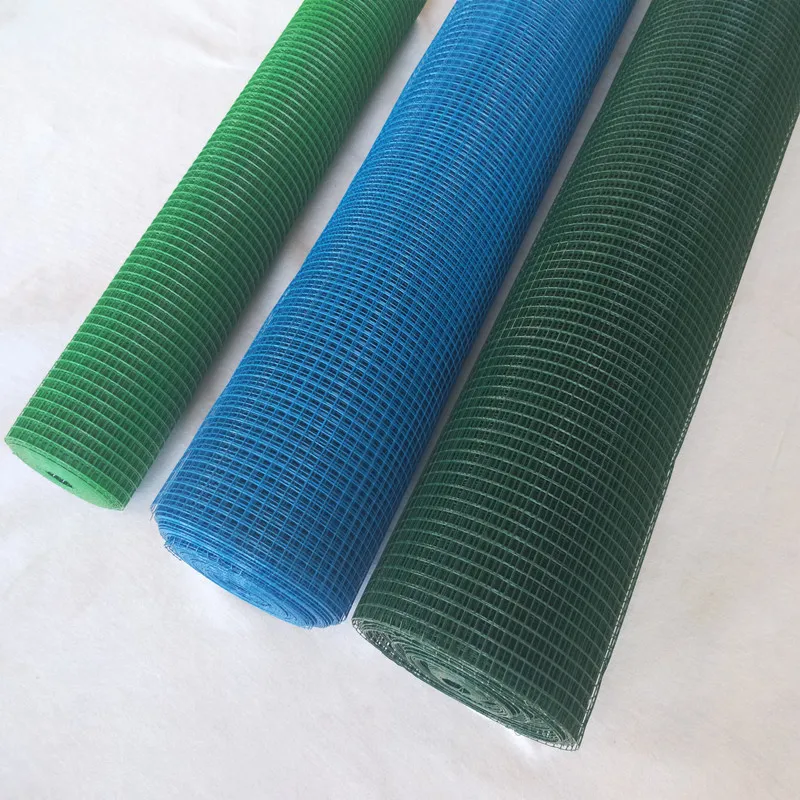
Types Of Expanded Metal Mesh is a key solution in the industry, specifically within structural, filtration, and security applications. This article explores how https://www.tikemetal.com supports professionals with durable, high-performance products, and explains why this product is an ideal choice for businesses in these sectors.
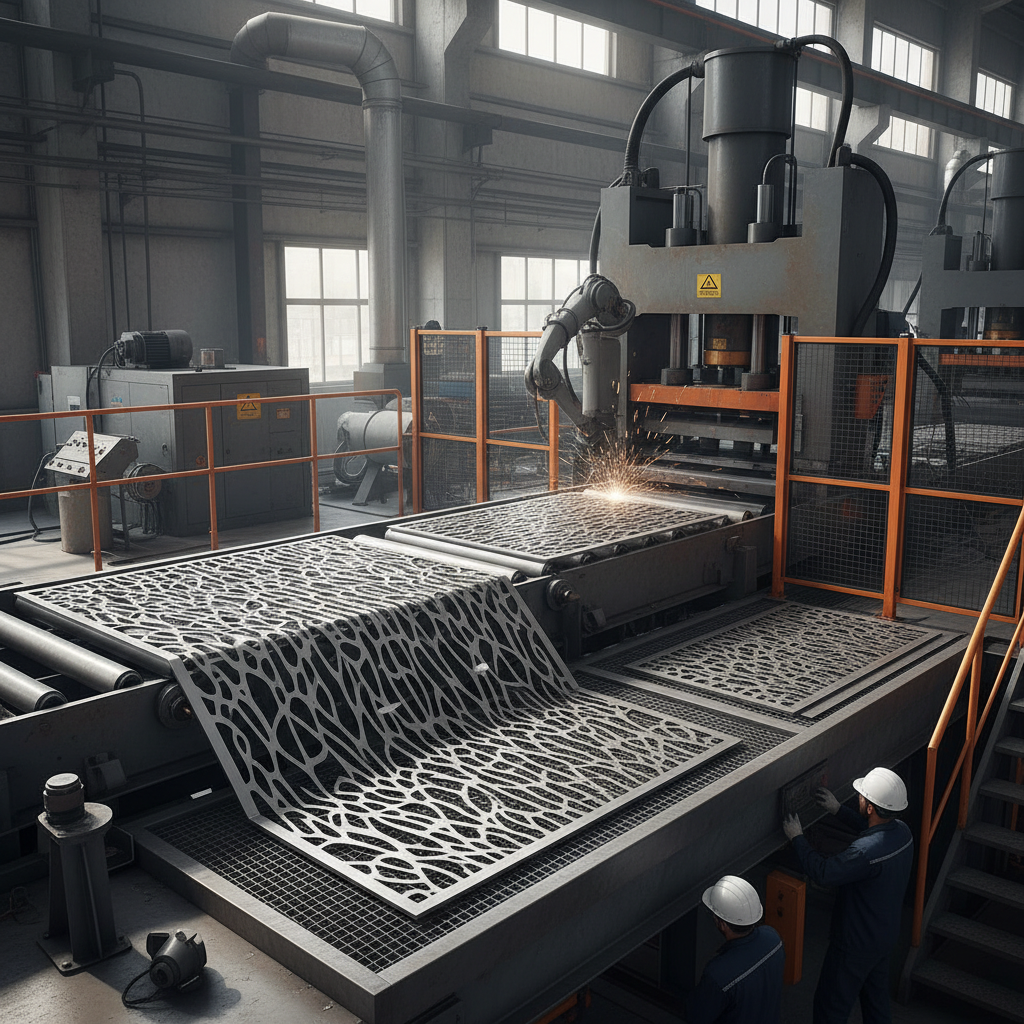
If you’re dealing with heavy-duty projects or need robust yet lightweight materials, Types Of Expanded Metal Mesh often come up as a go-to. Essentially, expanded metal mesh is created by cutting and stretching a sheet of metal into a pattern of diamond-shaped openings — no wires involved here, which is kind of fascinating. This method not only reduces waste (oddly enough, it actually produces less scrap than weaving wire mesh) but also results in exceptional strength combined with flexibility.
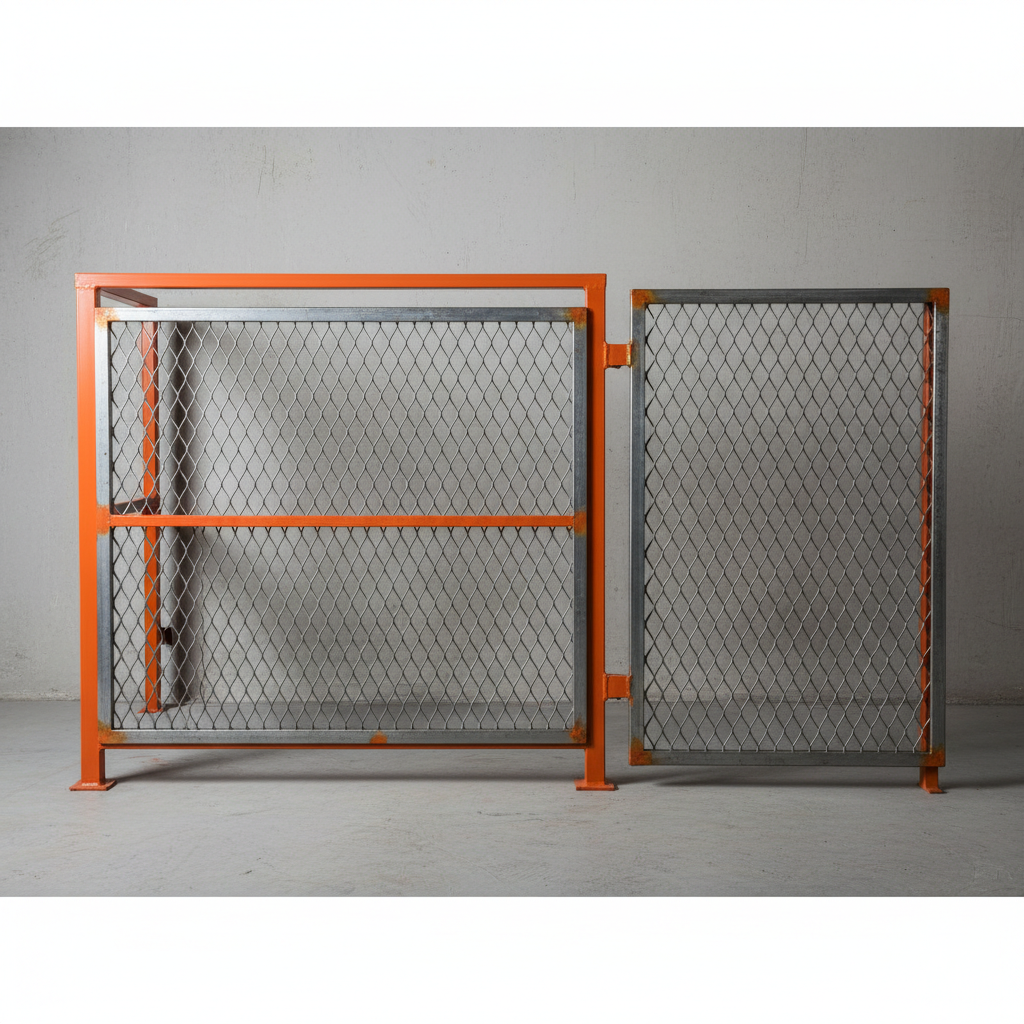
What really sets Types Of Expanded Metal Mesh apart is their sheer versatility. In security, they deliver visibility without compromising protection — perfect for fencing or machine guards. Architecturally, they create interesting shadows and allow ventilation, which architects love for modern commercial buildings. Plus, in filtration, this mesh sorts particles without clogging as quickly as woven wire might. Frankly, many engineers say it feels like having strength and airiness wrapped into one simple product.
| Specification | Metric Value | Description |
|---|---|---|
| Material | Steel / Aluminum / Stainless Steel | Common base metals used depending on application |
| Strand Thickness | 0.5 - 5 mm | Controls strength and weight |
| Aperture Size | 5 x 10 mm to 50 x 100 mm | Determines airflow and visibility |
| Surface Finish | Plain, galvanized, powder coated | Impacts corrosion resistance |
When buyers look at cost, it’s tempting to focus on initial price, but total cost of ownership often tells a different story. Types Of Expanded Metal Mesh tend to be highly durable with minimal maintenance needs. For instance, in an industrial plant, one maintenance manager shared their expanded metal panels lasted over 7 years with just occasional cleaning — that’s quite something compared to other materials that need regular replacement. Plus, the lighter weight means easier installation, leading to cost savings on labor.
In today’s market, sustainability isn’t just a buzzword; it’s becoming a must. Expanded metal meshes, especially those made from recyclable steel and aluminum, fit nicely into circular economy goals. Regulations increasingly push industries to reduce waste and opt for materials with longer lifespans and recyclability. You’ll find many vendors like Tikemetal refining their manufacturing to minimize environmental impact. The trend toward more lightweight, energy-efficient, and customized meshes will only grow stronger as businesses seek smarter, greener solutions.
| Vendor | Material Options | Customization | Sustainability Initiatives |
|---|---|---|---|
| Tikemetal | Steel, Aluminum, Stainless Steel | High – tailored apertures & finishes | Recycling programs, eco-friendly coatings |
| Vendor A | Steel only | Medium – standard patterns | Limited |
| Vendor B | Aluminum, Stainless Steel | Low – pre-set options | Some recyclable materials |
Wrapping things up, it feels like Types Of Expanded Metal Mesh really bridges the gap between strength, weight, and versatility — qualities hard to find all in one package. Sourced from trusted manufacturers like Tikemetal, these products continue to evolve alongside industry demands. For businesses prioritizing performance without compromise, it’s definitely worth a close look.
It’s always fascinating to see how such a simple form of metalworking results in versatile solutions across industries. For more details, check out suppliers’ datasheets and talk to the experts who’ve spent decades refining these products.
References:
1. Industry case studies on metal safety applications
2. Sustainable manufacturing reports 2023
3. Tikemetal product literature and customer testimonials
RELATED PRODUCTS





Top