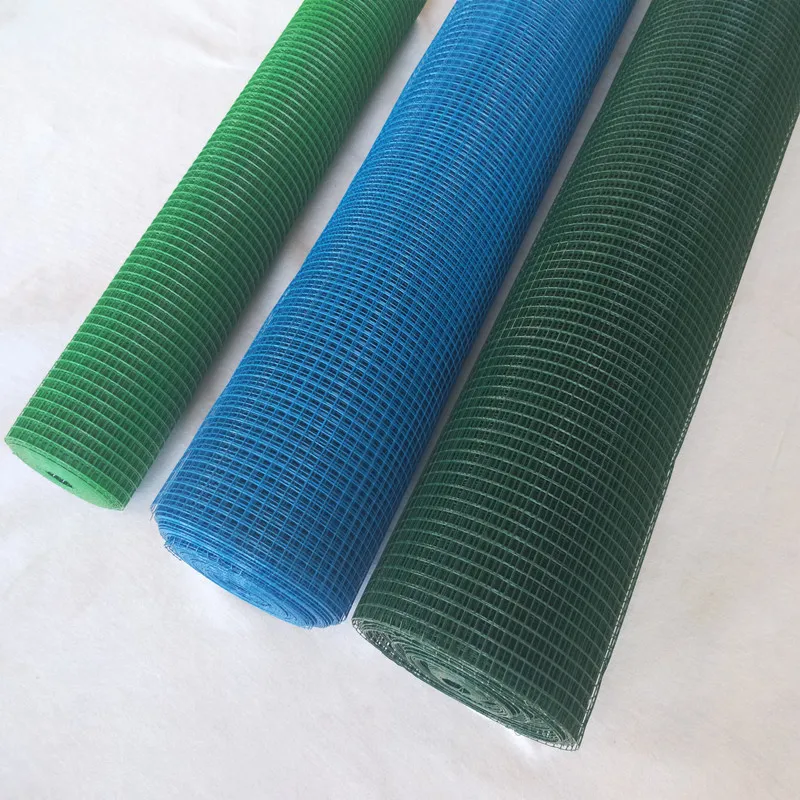
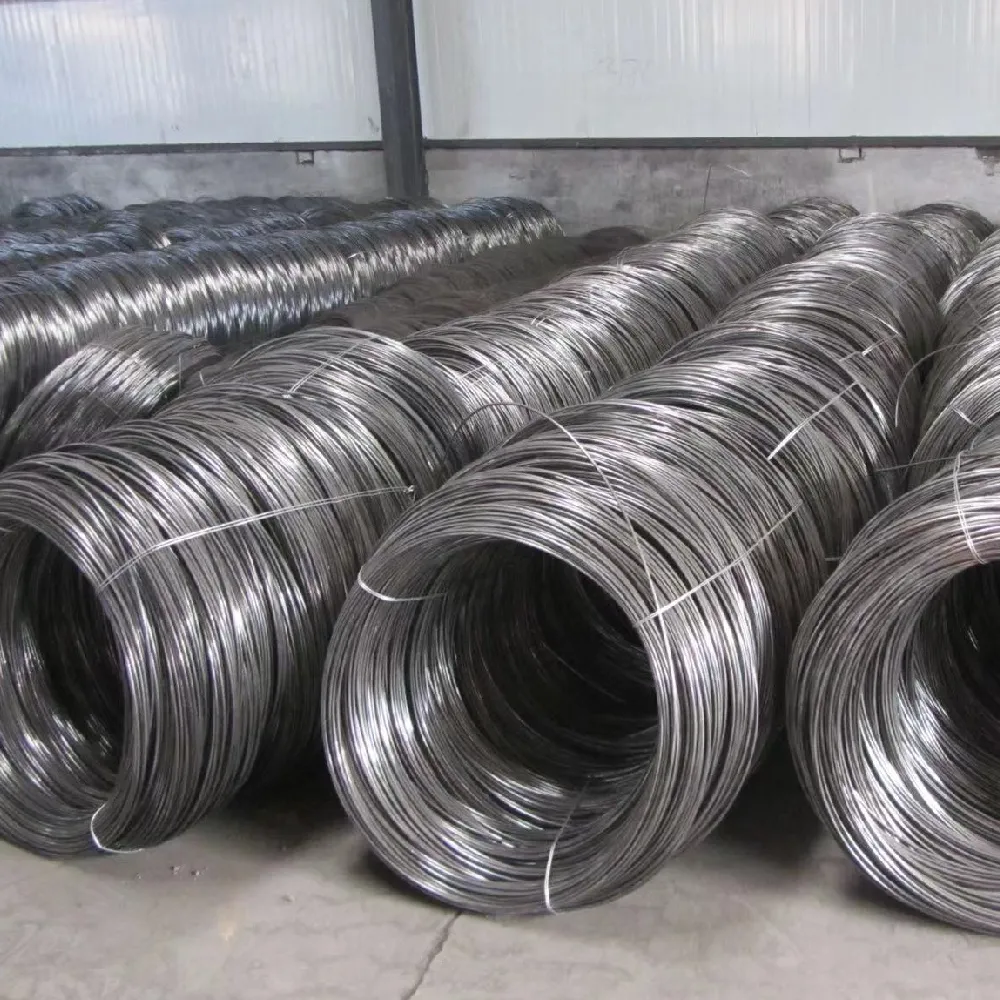
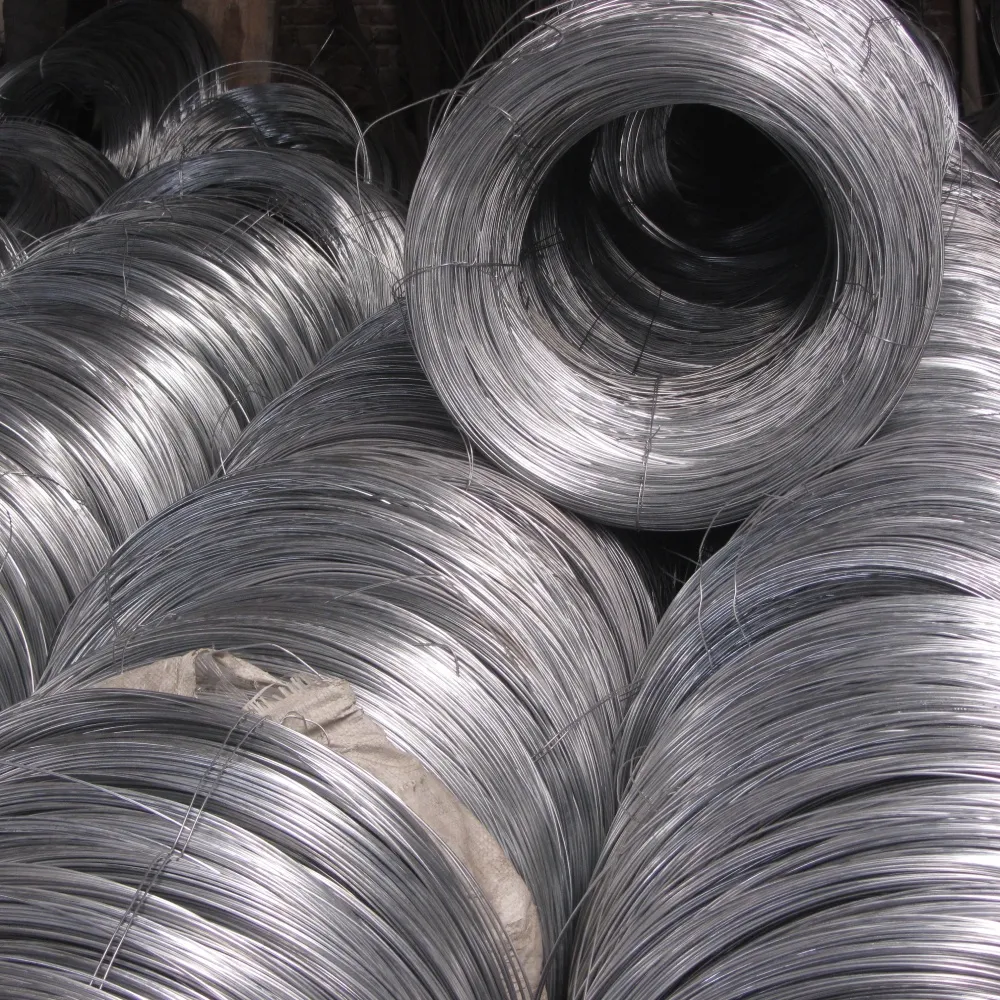
Steel welded wire fence—at first glance, it might seem like just another piece of industrial hardware, but it’s so much more than that. Globally, this type of fencing plays a crucial role in safety, infrastructure, and community resilience. Whether securing construction sites, protecting agricultural assets, or enabling humanitarian projects, steel welded wire fence blends strength with versatility in ways that other fencing just can’t match.
Why does this matter on a worldwide scale? Well, consider the cascading challenges of rapid urbanization, environmental protection, and disaster management. According to the United Nations, over 55% of the world’s population lives in urban areas, a figure expected to rise to nearly 70% by 20501. Securing these growing spaces—whether to protect property or safeguard people—requires solutions that are efficient and reliable. Steel welded wire fencing answers this call, offering a dependable barrier that’s fast to install and adaptable to various environments.
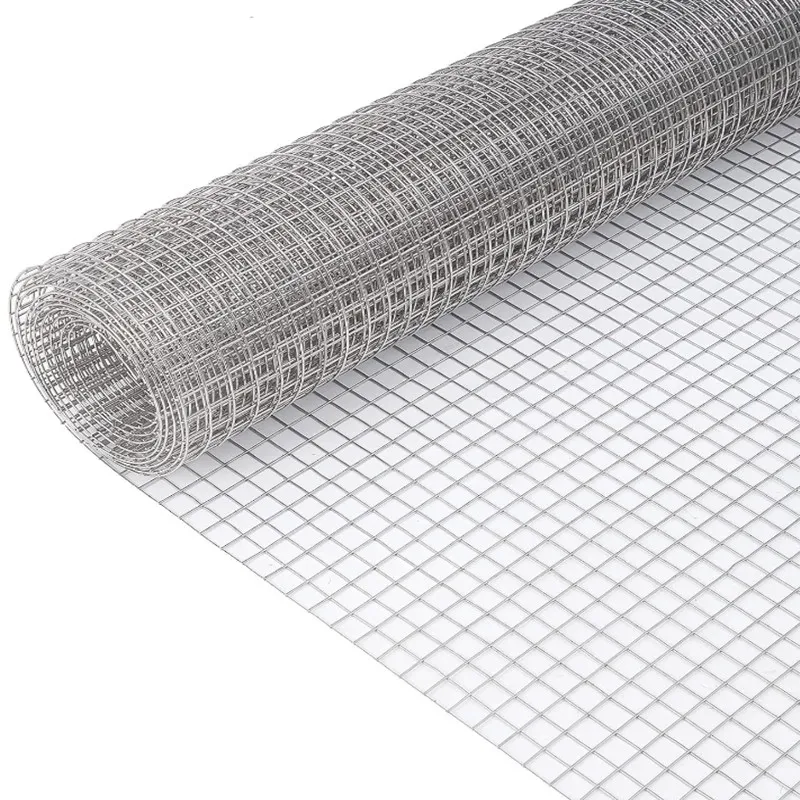
Simply put, a steel welded wire fence consists of steel wires intersecting at right angles, welded together to form a mesh. This mesh is then shaped into panels or rolls, offering a rigid, ready-to-install fencing structure. Its design is straightforward but purposeful, balancing visibility with security. In industries ranging from agriculture to logistics, and even humanitarian aid, it provides a protective yet permeable boundary that can stand up to harsh environments.
It’s closely tied to modern needs like sustainable infrastructure and rapid deployment in crises. For instance, NGOs working in post-disaster zones favor steel welded wire fencing because it’s robust yet transport-friendly—features increasingly relevant as we respond to global climate challenges.
These fences are typically galvanized or coated with PVC to resist rust, crucial for lasting through varied climates. This means whether you’re on a salty coastline or a rainy mountain pass, the fence keeps its integrity much longer than untreated metal alternatives.
The modular nature—usually panels fixed between posts—means developers can easily scale or adjust fence lines. Need a temporary enclosure that can later expand? Steel welded wire fence makes it almost painless.
Comparing it with traditional fencing like chain link or wooden barriers, steel welded wire fences often come out ahead when you factor in installation speed, maintenance, and lifespan. It’s really a “buy once, benefit many” scenario.
The mesh design offers clear sightlines—handy in security contexts where you want monitoring without obstruction. On farms, for example, it keeps animals in but lets caretakers easily spot troubles without having to constantly walk the boundaries.
Oddly enough, this blend of sturdiness and transparency makes it a quiet workhorse across continents—from the temperate zones of Germany to the arid landscapes of Australia.
| Specification | Typical Value | Remarks |
|---|---|---|
| Wire Diameter | 3.0mm - 5.0mm | Varies per application |
| Mesh Size | 50mm x 50mm to 100mm x 100mm | Adjusts visibility/security |
| Length per Panel | 2 meters | Standard size |
| Height Options | 1.2m, 1.5m, 2m+ | Custom heights often ordered |
| Surface Treatment | Galvanized or PVC coated | For corrosion resistance |
| Vendor | Product Range | Lead Time | Pricing | Customization |
|---|---|---|---|---|
| Tike Metal | Extensive: Panels, Rolls, Gates | 2-3 weeks | Competitive | High (custom dimensions & coatings) |
| Global Fence Co. | Standard Panels & Mesh rolls | 1-2 weeks | Mid-range | Medium (limited pigmentation) |
| Eco-Fence Solutions | Recycled materials focus | 3-4 weeks | Premium | Limited |
Beyond the specs, this fencing combines practical advantages with emotional assurance. Logically, you are investing in something that will outlast many rivals while requiring minimal upkeep. Emotionally, it offers safety—a kind of peace of mind that facilities, families, and even aid workers cherish.
It also supports sustainability: longer-lasting fencing reduces waste, and modern coatings reduce the need for chemical treatments or painting. Socially, sturdy fencing allows communities to protect schools, hospitals, or communal gardens, nurturing dignity and order.
Future directions are exciting. Companies are blending traditional steel welded wire fence with smart sensors—imagine fences that alert a security team to breaches instantly. There’s also growing interest in eco-conscious materials that minimize carbon footprint. Digital fabrication promises even faster production and more precise customization, allowing fences tailor-made for challenging terrains.
Of course, no technology is without flaws. Sometimes, installation in rough terrain delays projects, and improper coating can lead to unexpected corrosion. Yet, many engineers now recommend thorough site prep and selecting vendors who meet ISO 1461 standards for galvanizing2. Moreover, innovations like polymer-enhanced wire coatings address corrosion concerns practically.
In real terms, understanding steel welded wire fence is about appreciating an often-overlooked backbone of modern infrastructure and humanitarian efforts. Its strength, speed of deployment, and adaptability address a spectrum of global challenges—from protecting livelihoods on farms to securing refugee camps.
Curious to learn more or explore specific solutions? Visit our website at https://www.tikemetal.com and discover how steel welded wire fencing can support your projects.
Reflecting on all this, it feels like steel welded wire fence quietly shapes a safer, more connected world. And that, frankly, is worth paying attention to.
RELATED PRODUCTS





Top