Serrated steel bar grating is a crucial component in numerous industrial and commercial applications, prized for its strength, durability, and safety features. This article delves into the intricacies of serrated steel bar grating, covering its applications, benefits, manufacturing processes, and important considerations for selection. Whether you're involved in construction, manufacturing, or infrastructure projects, understanding this versatile material is essential. Tikemetal provides high-quality serrated steel bar grating solutions tailored to meet diverse project needs.
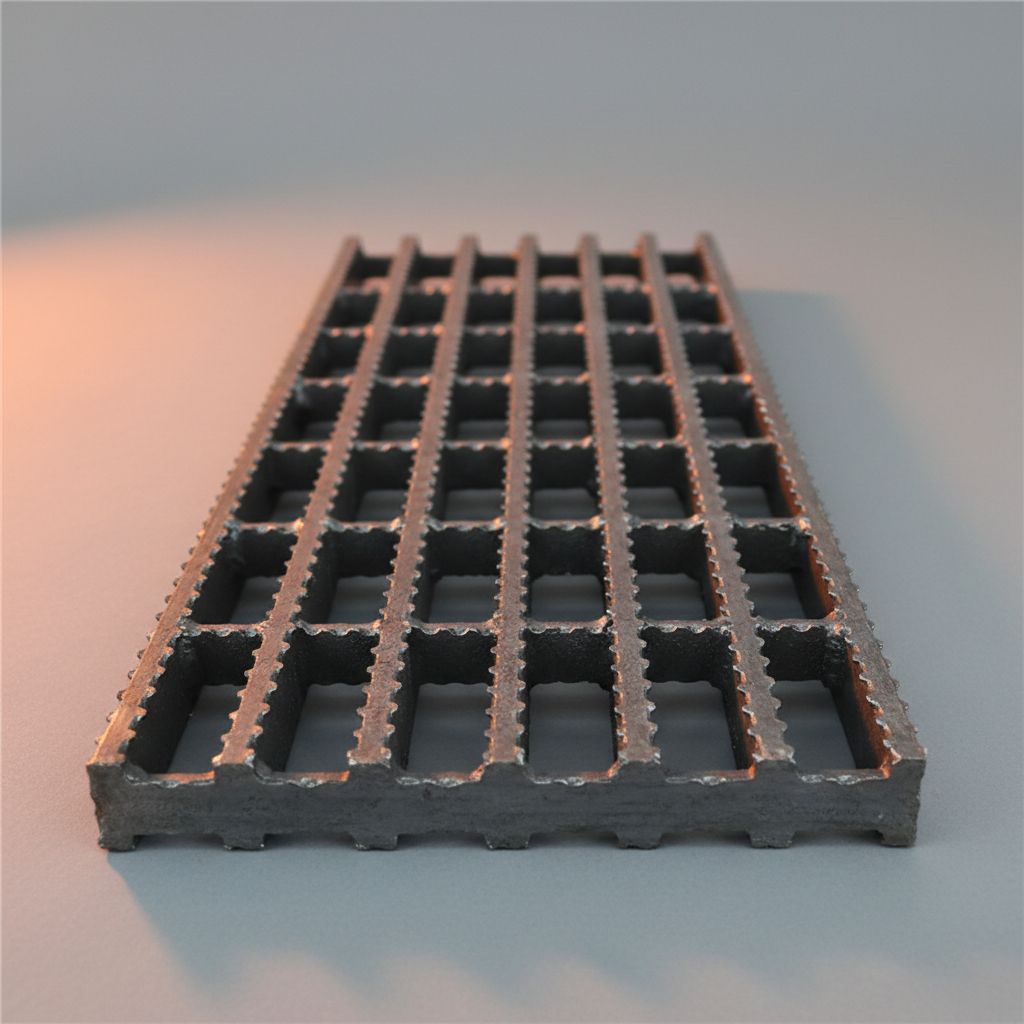
Serrated steel bar grating is a type of metal grating constructed from steel bars joined together by welding, typically forming a grid-like pattern. What sets it apart from standard steel bar grating is the addition of raised, tooth-like projections – the 'serrations' – on the surface of the load-bearing bars. These serrations dramatically improve slip resistance, making it an ideal choice for walkways, platforms, stairs, and other areas where worker safety is paramount. The serrations are usually formed during the extrusion process of the steel bars, ensuring a permanent and robust surface texture. This is a cost-effective and extremely durable method of improving safety.
Key Benefits: Superior slip resistance, enhanced safety, high load-bearing capacity, corrosion resistance with appropriate coatings, and long-lasting durability.
The applications for serrated steel bar grating are extensive. Common uses include: walkways and platforms in industrial facilities, stair treads, mezzanine floors, bridge decks, drainage covers, ventilation grates, trench covers, and offshore platforms. Its robust construction makes it suitable for heavy-duty industrial environments, while the slip-resistant surface ensures worker safety in potentially hazardous conditions. The grating’s open design also allows for excellent airflow and light transmission, contributing to a safer and more comfortable working environment. Furthermore, the grating is easy to clean and maintain.
Common Application Sectors:
• Oil and Gas
• Chemical Processing
• Power Generation
• Wastewater Treatment
• Construction
The key difference between serrated and non-serrated steel bar grating lies in the slip resistance. While both types offer excellent strength and durability, the serrations on the former significantly enhance traction, particularly in wet or oily conditions. This is a crucial consideration for any application where worker safety is a priority. Non-serrated grating may be suitable for static applications with minimal foot traffic, but serrated grating is generally the preferred choice for walkways, platforms, and stairs.
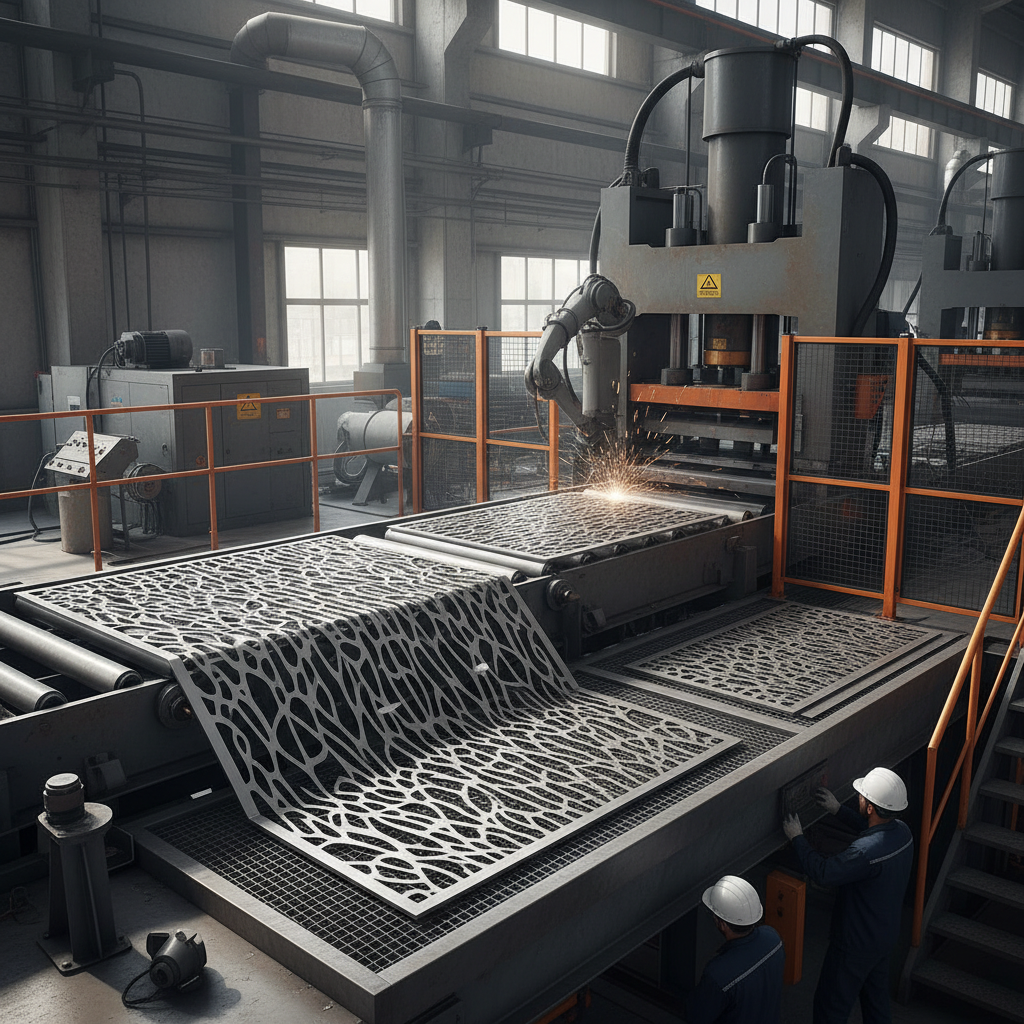
Serrated steel bar grating is typically manufactured through a process of cold-forming steel sheets into the desired bar shape, followed by welding the bars together to create the grating panel. The serrations are often formed during the extrusion process itself. Common steel grades used include carbon steel, stainless steel (304, 316), and aluminum. The choice of material depends on the application’s environmental conditions and load requirements. Stainless steel offers superior corrosion resistance for harsh environments, while carbon steel is a cost-effective option for indoor applications. Tikemetal utilizes state-of-the-art manufacturing techniques to ensure consistent quality and precise dimensions.
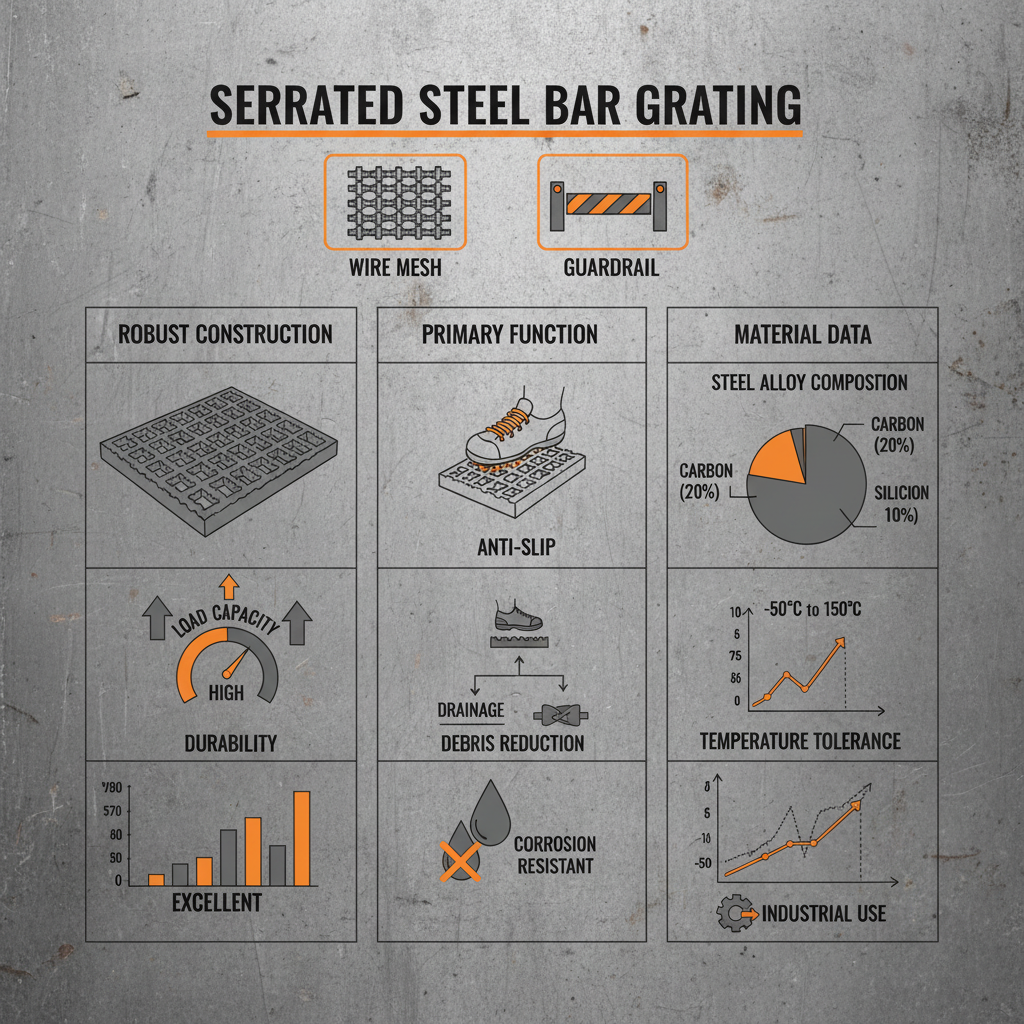
When selecting serrated steel bar grating, several factors should be considered. These include the intended load capacity, the environmental conditions, the required span between supports, and the desired level of slip resistance. It’s crucial to consult with a qualified engineer to determine the appropriate grating size and material for your specific application. Consider the size and spacing of the serrations; larger serrations generally provide greater slip resistance but may be more difficult to clean. Also, factor in the potential for corrosion and choose a material and coating that can withstand the environmental conditions.
Selecting the right serrated steel bar grating is a critical decision that impacts safety, durability, and long-term cost-effectiveness. By carefully considering the application requirements, material options, and manufacturing processes, you can ensure you choose a solution that meets your needs. Tikemetal is dedicated to providing high-quality grating solutions and expert guidance to help you make the right choice.
The load capacity of serrated steel bar grating varies significantly depending on the bar size, spacing, material, and span length. Generally, it can handle substantial loads, often exceeding those required for typical pedestrian and light vehicular traffic. However, it’s crucial to consult load tables provided by the manufacturer and/or a qualified engineer to determine the appropriate grating for your specific application. Factors like concentrated loads and dynamic impacts must also be considered during the load capacity assessment.
Yes, serrated steel bar grating can be highly customized. Tikemetal offers customization options including size, material, serration type, and coatings. We can fabricate grating to specific dimensions to fit unique project requirements. This flexibility makes it an ideal solution for a wide range of applications, from small repair projects to large-scale construction endeavors.
Serrated steel bar grating generally requires minimal maintenance. Regular cleaning to remove debris and dirt is recommended, particularly in environments with high dust or corrosive elements. For grating with protective coatings, periodic inspection for damage to the coating is advised, and any damaged areas should be repaired promptly to prevent corrosion. Annual visual inspections for structural integrity are also a good practice.
Yes, serrated steel bar grating is suitable for outdoor use, especially when manufactured from corrosion-resistant materials like stainless steel or coated with protective finishes such as hot-dip galvanization. These coatings protect the steel from rust and corrosion caused by exposure to the elements. Proper material selection and appropriate coatings are essential to ensure long-term durability in outdoor applications.
RELATED PRODUCTS





Top