Wire mesh might not be a topic you chat about at dinner parties, but when it comes to building sturdy infrastructures or delivering humanitarian aid, the humble 5mm wire mesh plays a surprisingly pivotal role. Globally, its contributions range from securing construction sites to filtering fluids or even protecting endangered birds by eco-friendly fencing.
Why does a 5mm gauge matter? Because these tiny gaps balance strength and flexibility, granting designers and engineers a versatile tool that meets both industrial and humanitarian needs worldwide. In a nutshell, understanding this particular mesh size helps industries optimize safety, durability, and cost — often in places where resources are precious and reliability is critical.
The world continues expanding its infrastructure footprint, with the construction industry alone estimated by the World Bank to grow over 70% by 2030. Industries like agriculture, manufacturing, and environmental management similarly rely on mesh products for fencing, screening, and filtration solutions. The ISO standards on wire mesh reinforce the importance of precise mesh sizes like 5mm for consistent quality and safety compliance.
One challenge is balancing strength and accessibility. Mesh that's too coarse won’t hold smaller particles or pests; too fine, and it risks expensive manufacturing or insufficient airflow. That 5mm mark seems to hit a sweet spot, which explains its widespread adoption. From remote industrial zones in Australia to densely populated European cities safeguarding public spaces, applications of 5mm wire mesh are everywhere.
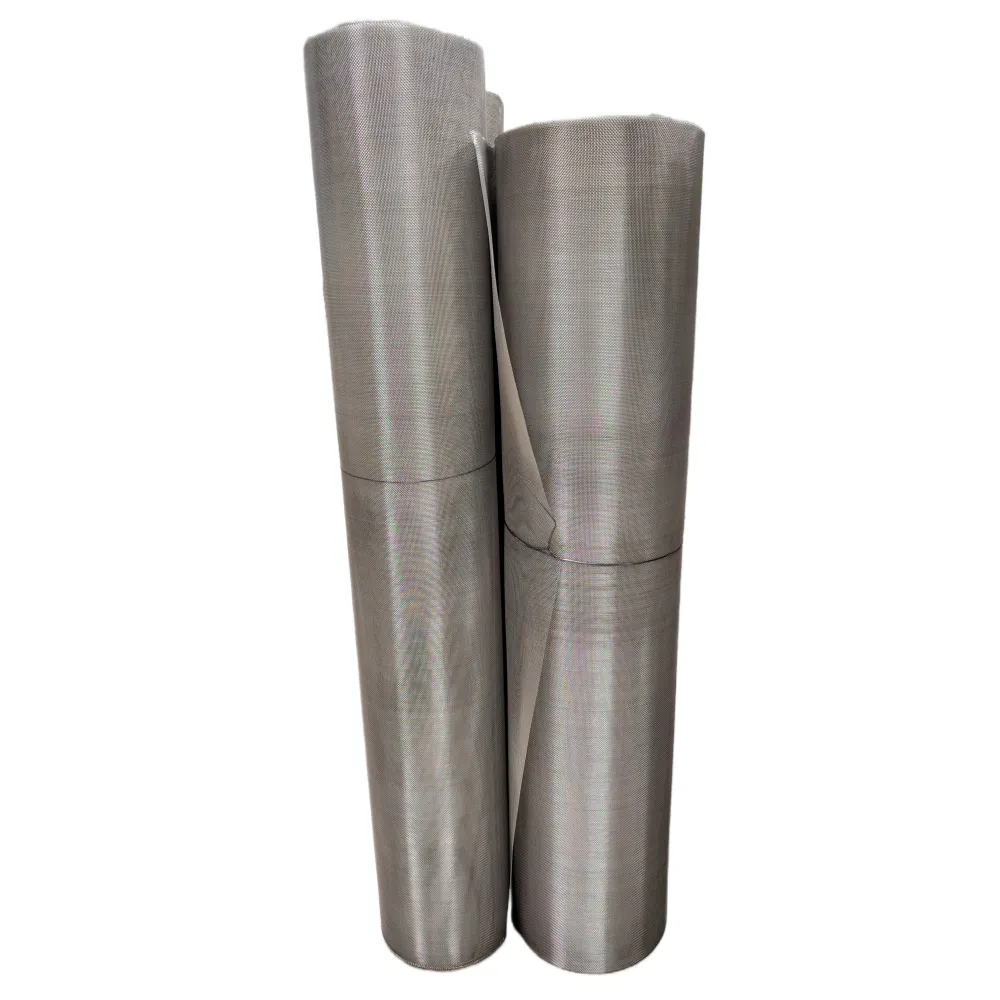
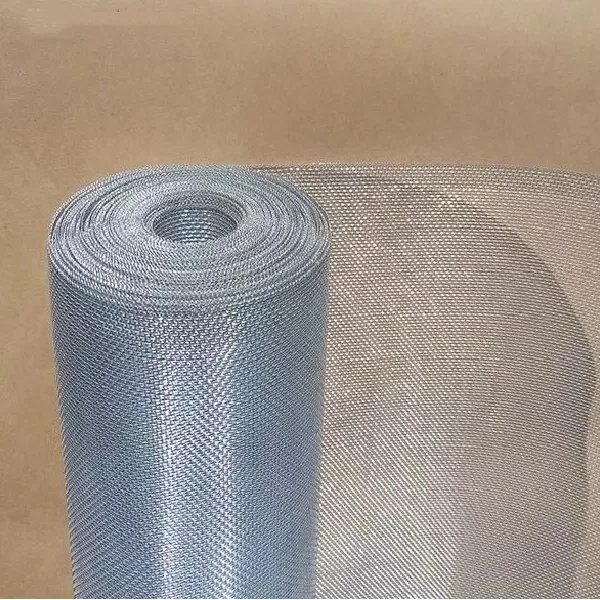
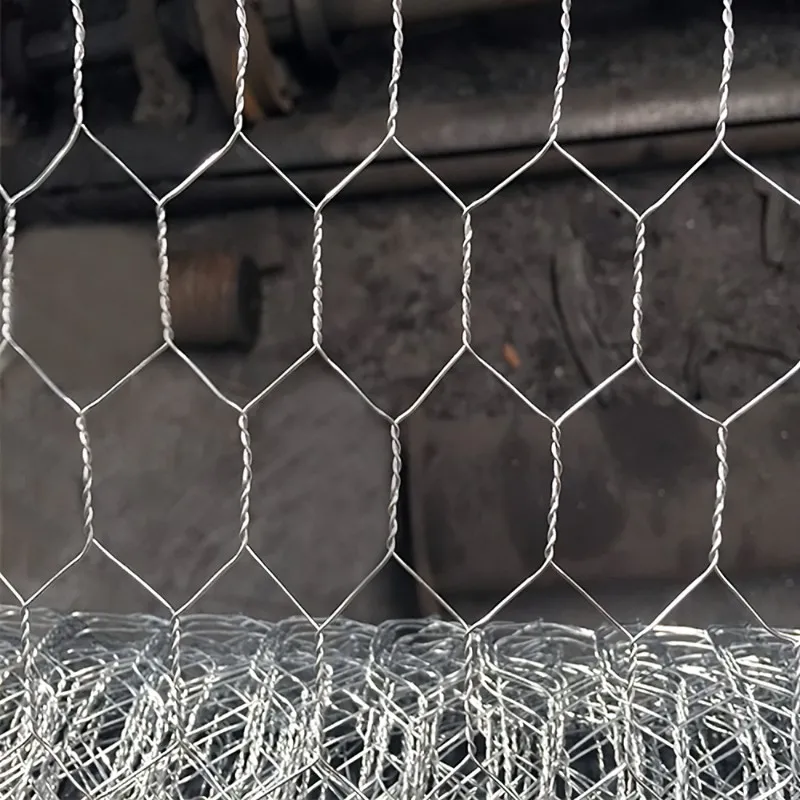
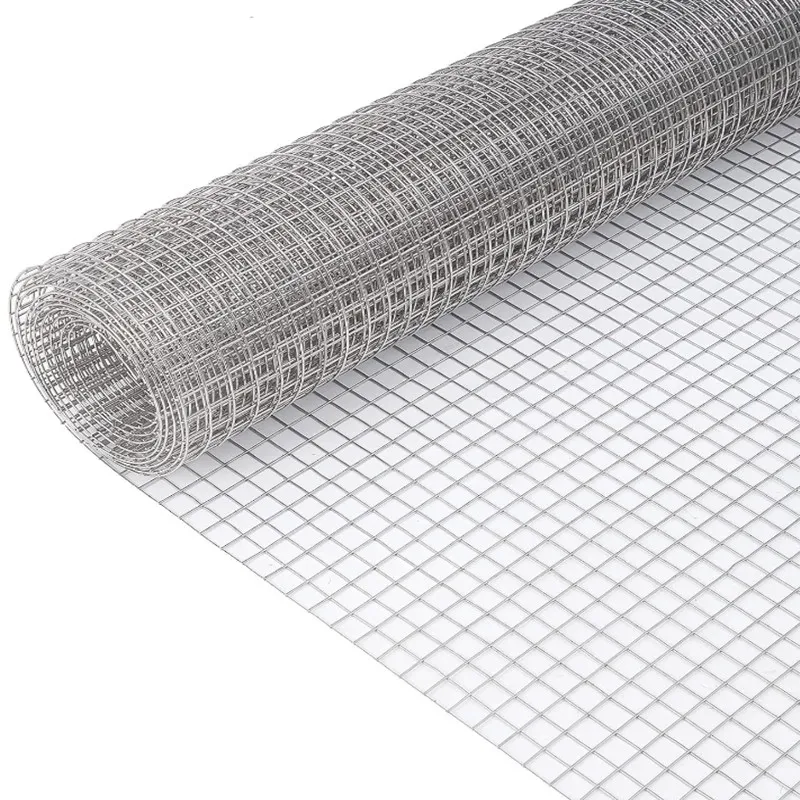
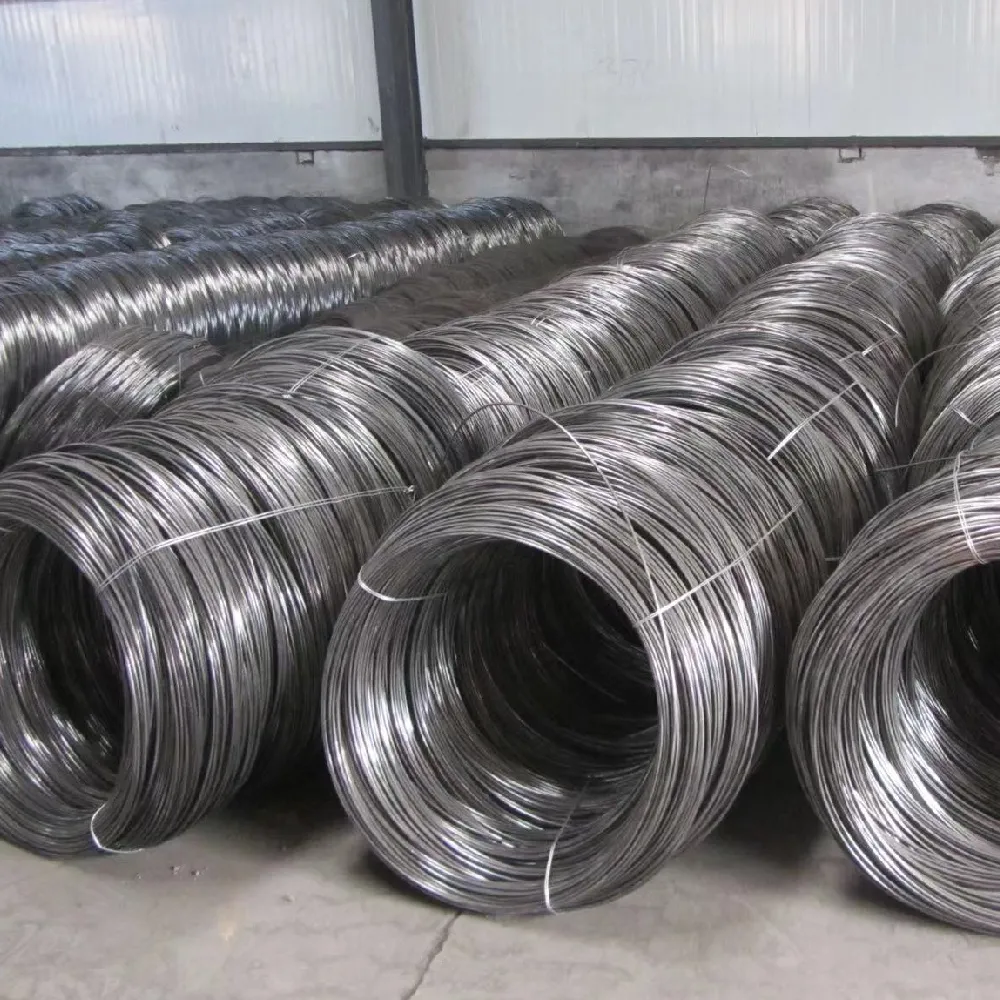
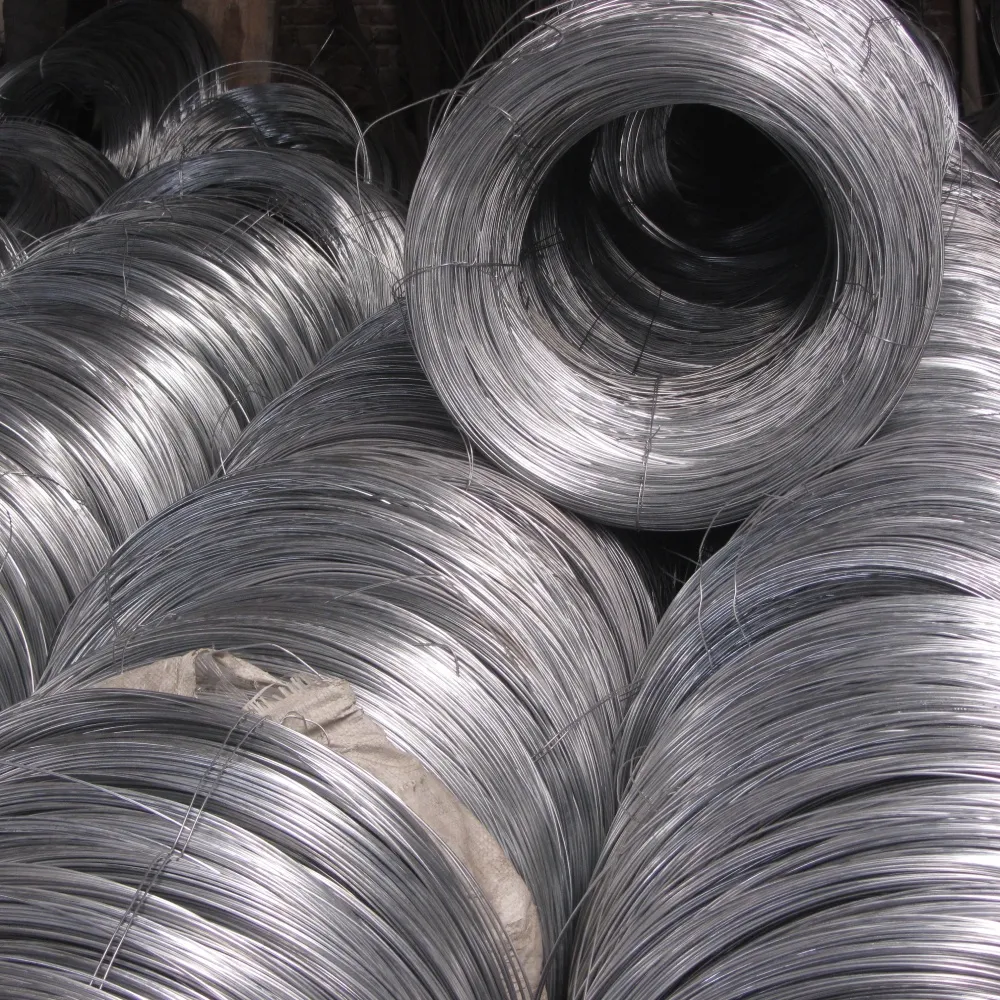
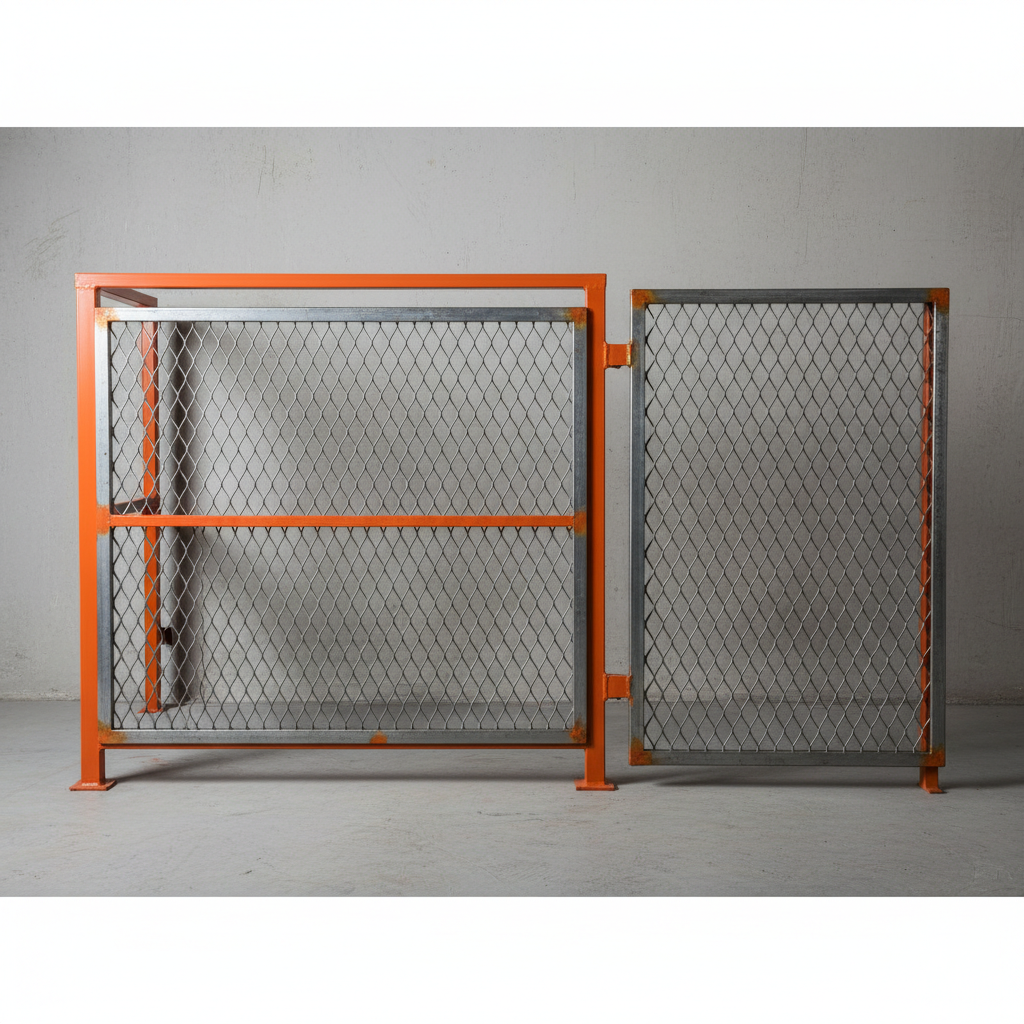
In simple terms, 5mm wire mesh refers to a grid or netting made by weaving or welding wires spaced 5 millimeters apart. The wires themselves can vary in thickness and material – commonly stainless steel or galvanized iron – but the key metric is the 5mm open spacing.
Think of it as a tiny backyard fence but zoomed into an exact tiny scale, carefully engineered to let air and light through while blocking unwanted elements. In modern industry and humanitarian scenarios, this mesh shelters crops from birds, filters liquids clean for pharmaceutical production, and even reinforces concrete structures.
Many engineers stress durability first. The wire coatings and choice of substrate ensure resistance to corrosion and mechanical wear. For instance, galvanized finishes add years of life without rusting, perfect for outdoor use.
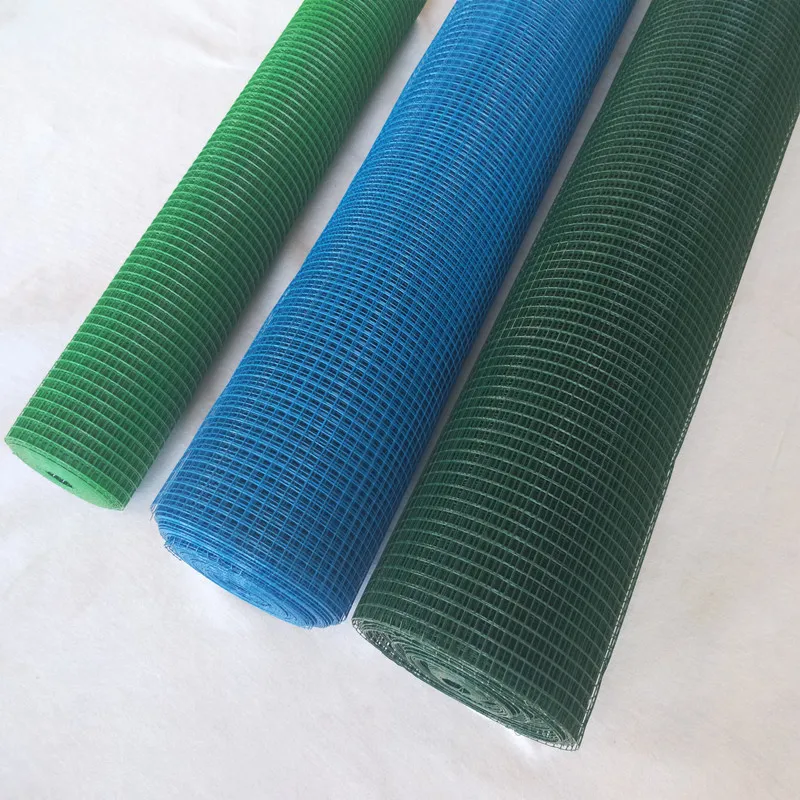
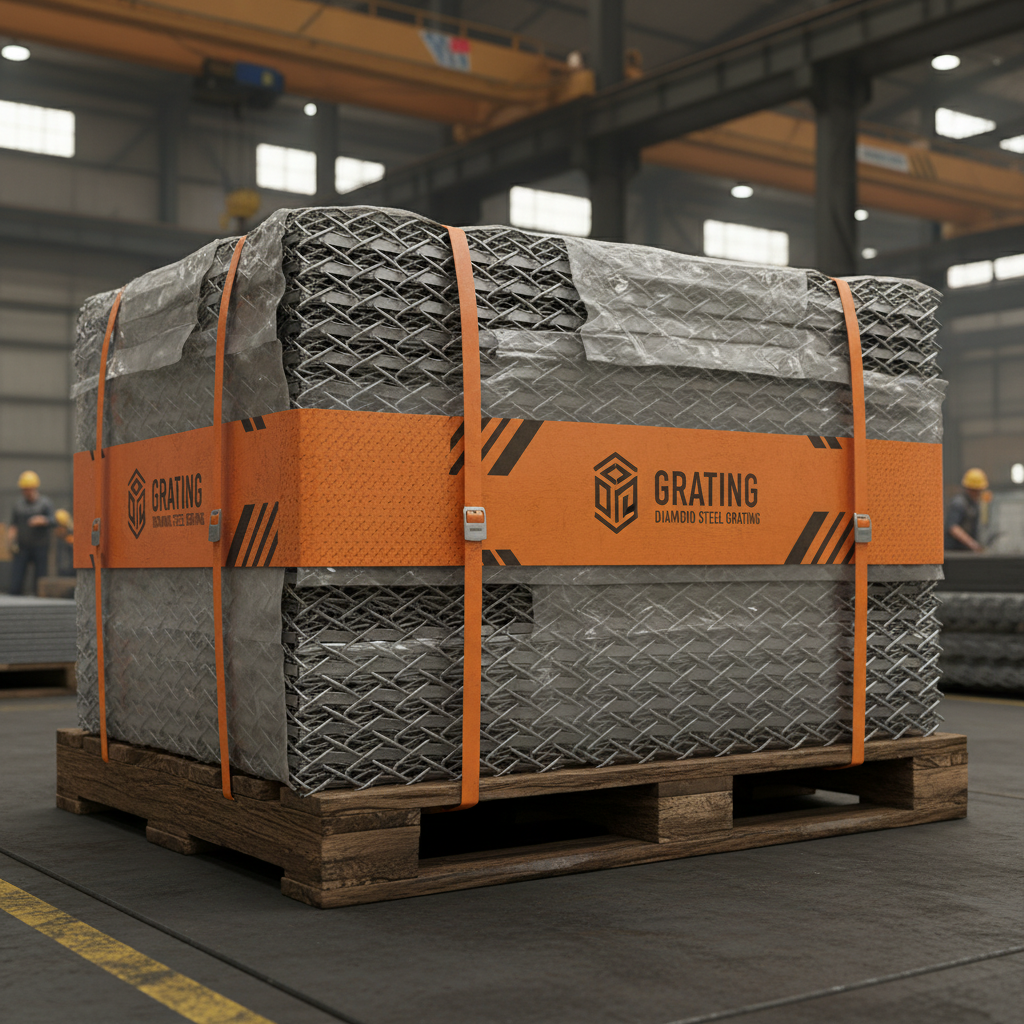
Unlike custom metal creations, 5mm wire mesh comes in standard rolls or panels, making it easy to order in various sizes and quickly deploy on site. It scales well whether you’re fencing a small plot or reinforcing a huge dam.
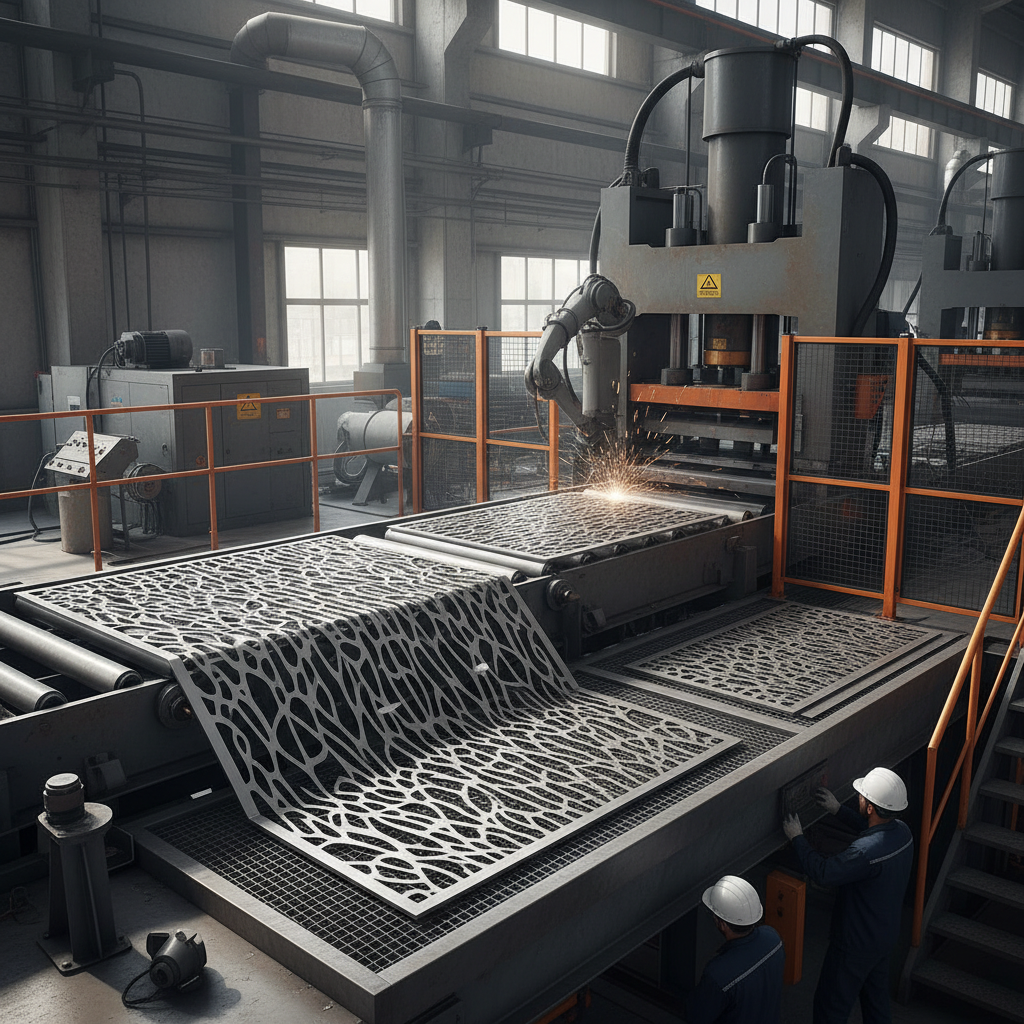
Despite sounding high-tech, 5mm wire mesh production benefits from mass manufacturing and common materials, keeping units affordable. Its long lifespan reduces replacement costs too.
Because both open area and wire thickness can be customized, 5mm wire mesh suits many roles: from fine filtration to medium-security fencing.
Increasingly, recycled steel is used for manufacturing, making this mesh a greener choice compared to plastic alternatives or heavier metal panels.
| Specification | Details |
|---|---|
| Mesh Size (Opening) | 5 millimeters |
| Wire Diameter | 0.8 - 1.2 mm (typical range) |
| Material | Galvanized steel, stainless steel |
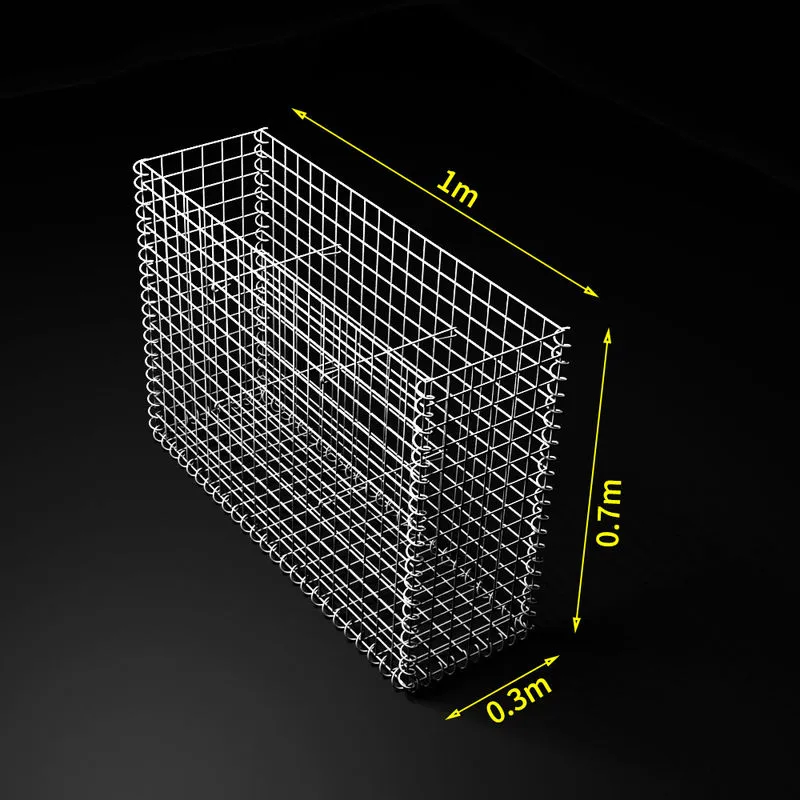
| Panel Size | 1m x 2m (standard) |
| Finish | Galvanized, powder coated |
The uses of 5mm wire mesh are surprisingly diverse globally:
For example, in post-disaster relief operations in Southeast Asia, NGOs often deploy lightweight 5mm wire mesh panels to create secure temporary compounds that are easy to transport and assemble. Engineers working in Australia’s mining sites use mesh fencing to limit dust without hampering airflow. These stories highlight how the material’s modest size belies its essential role.
In terms of hard benefits, 5mm wire mesh offers durable protection at a relatively low cost — which is often a tough balance to strike. Its corrosion resistance ensures less downtime for replacements. At a deeper level however, it gives safety and peace of mind to workers and communities who rely on it. There is a dignity in knowing one’s home, worksite, or farmland is shielded effectively.
Looking ahead, manufacturers are innovating with new coatings to improve resistance to extreme environments. Some are exploring conductive wire mesh options for smart infrastructure, integrating sensors and digital monitoring. Sustainability is a key trend with recycled and bio-based coatings becoming more common. Automation in production means tighter tolerances and customized mesh sizes that enhance functionality.
Of course, 5mm wire mesh is not a silver bullet. It can be vulnerable to vandalism or harsh weather if not properly maintained. Installation errors may compromise integrity. But ongoing training for workers, combined with modular panel designs that simplify replacement, are helping solve these issues. Additionally, hybrid fencing systems can combine mesh with other materials for enhanced security.
| Vendor | Material Options | Custom Sizes | Lead Time | Price Range |
|---|---|---|---|---|
| Tike Metal | Galvanized & Stainless Steel | Yes, custom rolls & panels | 2-3 weeks | $$ - Mid-range |
| MeshCo International | Stainless Steel, PVC Coated | Limited | 4-5 weeks | $$$ - Higher End |
| Global Steel Mesh | Galvanized only | Standard sizes only | 1-2 weeks | $ - Budget |
Oddly enough, something as straightforward as a 5mm wire mesh holds powerful sway in industries worldwide — from agriculture to humanitarian aid. Cost-effective, durable, and easy to customize, it addresses practical challenges both local and global. If you want reliability combined with flexibility, diving deeper into 5mm wire mesh could be more rewarding than expected.
Visit our website to explore a selection of premium wire mesh options that match your needs.
Mini takeaway: The 5mm wire mesh is a modest hero in modern infrastructure, offering a perfect balance between strength, adaptability, and cost — essential in a world where every millimeter counts.
RELATED PRODUCTS





Top