If you've ever wandered past a sports field or a secure industrial site, chances are you’ve seen chain link mesh in action — that classic diamond-shaped wire fencing that’s everywhere. But this humble material quietly holds a much bigger role globally. Understanding chain link mesh means appreciating a solution that’s affordable, durable, and adaptable, making it indispensable for everything from humanitarian infrastructure to urban security. Frankly, it’s a workhorse in fencing technology, yet few pause to think about its impact on safety, logistics, and even sociology.
In this article, we'll unpack why chain link mesh matters so much across various industries and the challenges it helps address worldwide. Expect some surprising insights alongside practical specs and comparisons you’ll find handy whether you’re sourcing for a big project or just curiosity strikes.
In a world increasingly focused on infrastructure resilience and cost-effective boundary solutions, chain link mesh has proven itself time and again. According to the ISO standards, fencing materials require a mix of durability and ease of installation to meet fast-paced industrial demands.
Globally, governments and organizations spend billions annually on protective fencing. The World Bank highlights the importance of secure public spaces and infrastructure for economic stability and social wellbeing. Chain link mesh is one of the prime practical answers to these needs, particularly in emerging economies where budgets and supply chains favor simplicity yet robust performance.
Yet, challenges remain: vandalism, longevity in harsh climates, and evolving security requirements demand continuous innovation. Chain link mesh's adaptability addresses many of these – from scaling up fences around a new school to securing a temporary disaster relief camp site.
Mini takeaway: Chain link mesh is not just a fence; it’s a globally relevant solution balancing cost, security, and speed.
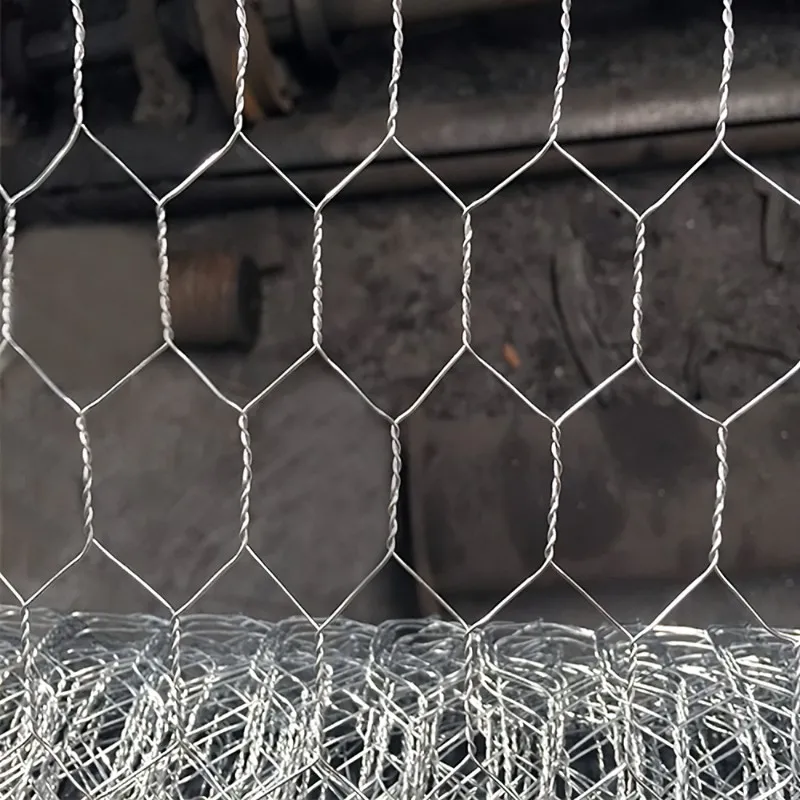
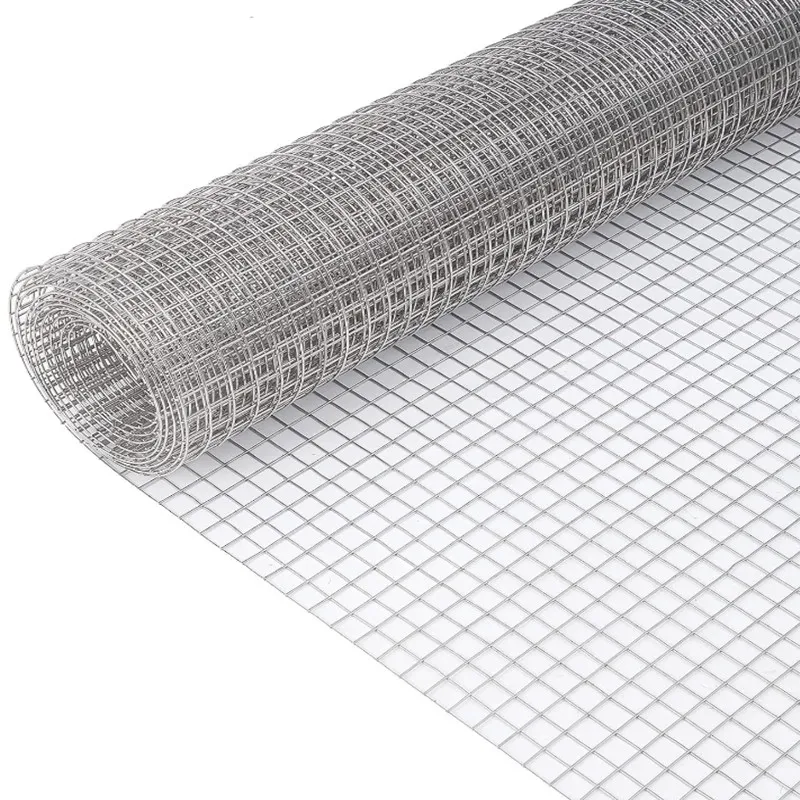
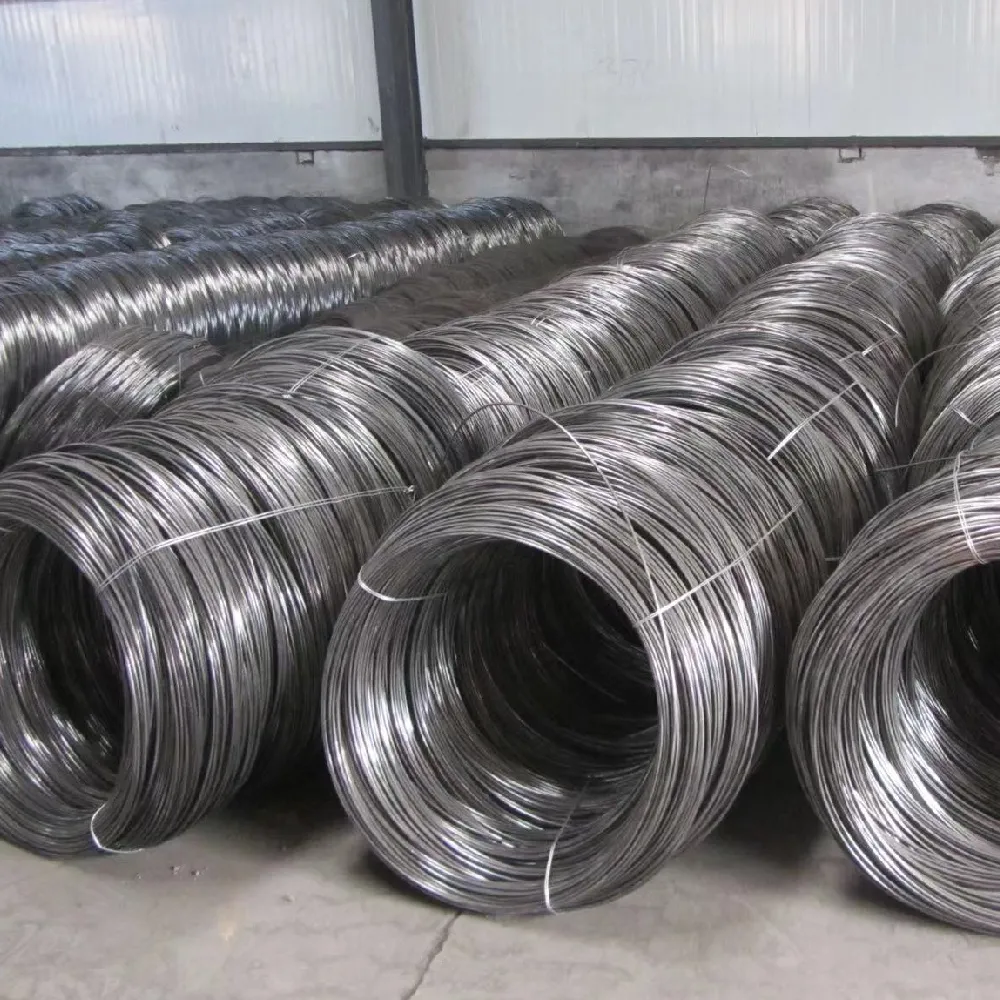
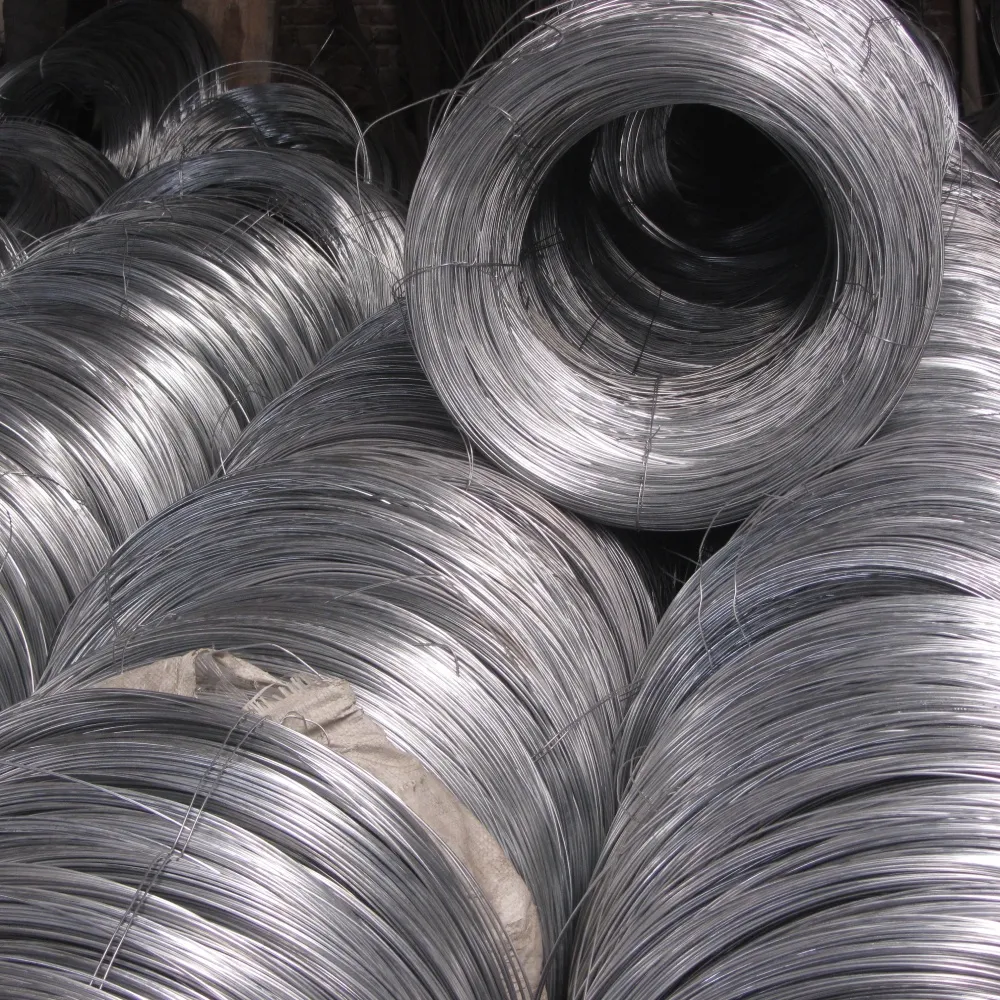
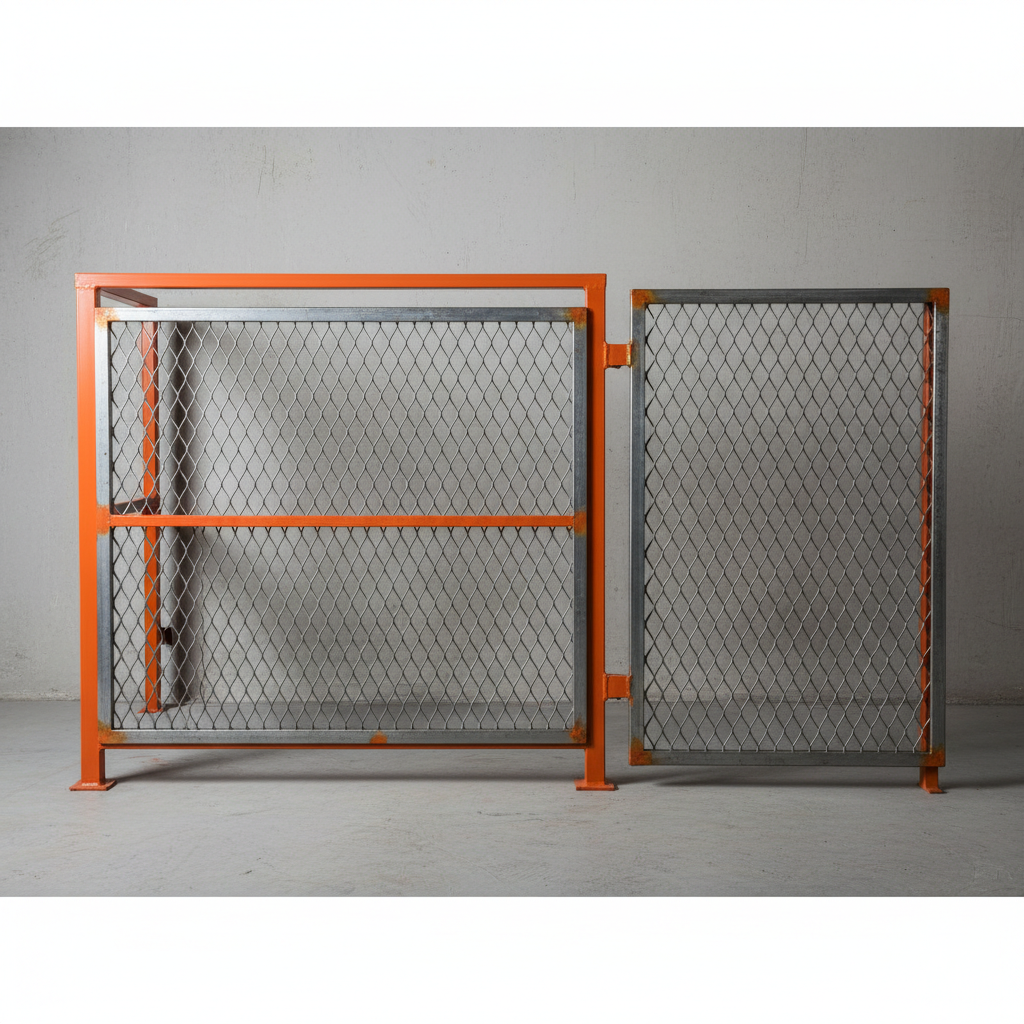
Simply put, chain link mesh is a woven fence composed of zinc-coated or galvanized steel wire formed into a characteristic diamond pattern. The interlocked wires provide a flexible yet sturdy surface that lets light and wind pass through. But beyond this physical form, it’s a “go-to” for industries needing quick deployment, long life, and minimal maintenance.
This fencing style ties in closely with modern safety regulations, crowd control logistics, and even humanitarian applications, such as fencing off refugee camps or disease treatment zones where temporary but secure isolation is necessary — more than just a fence, it’s a facilitator of order and safety.
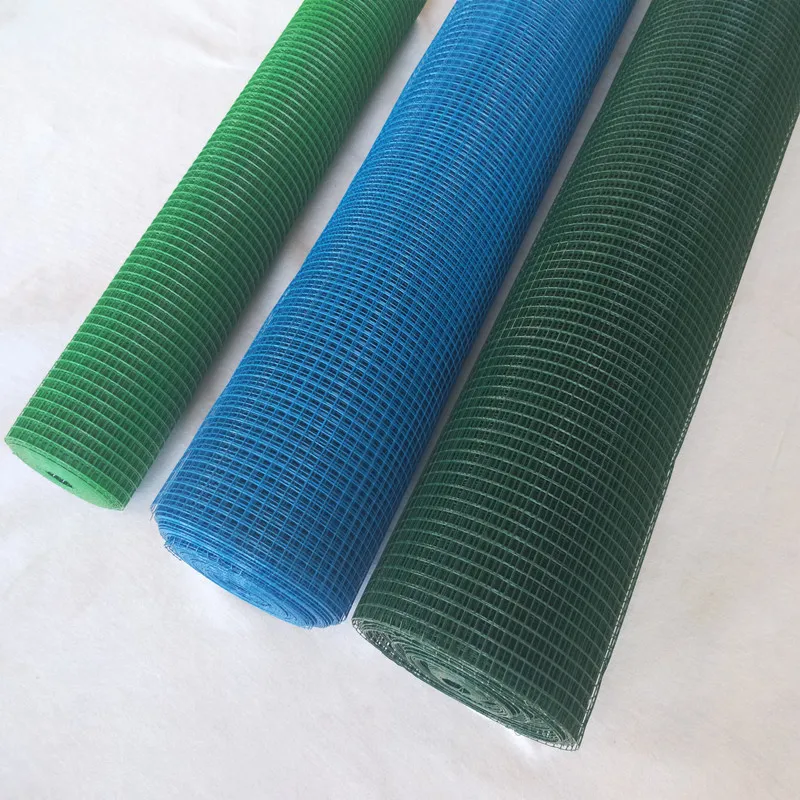
The galvanized steel or PVC coating shields against corrosion, which can be a huge advantage in coastal or industrial environments. Many engineers say it’s this resilience that keeps chain link mesh relevant compared to wood or plastic fencing, especially outdoors over decades.
Chain link fences can be custom-sized, stretched across acres, or folded for transport. This adaptability benefits everything from confined security perimeters to vast agricultural enclosures. Oddly enough, it’s the “give” in the mesh that often saves it during high winds or impacts — small flexibility goes a long way.
Compared to solid walls or wrought iron fencing, chain link mesh is relatively inexpensive. Its simple material requirements and ease of installation also reduce labor time, meaning projects get finished faster without breaking the bank.
While it may look simple, chain link mesh can be combined with barbed wire, privacy slats, or electronic monitoring to provide layered security — from industrial facilities to sports arenas. This multi-functionality has led to widespread adoption globally.
Routine inspections and occasional repairs keep chain link fences functional for 15 to 25 years or more. That’s a roughly two-decade lifespan that’s pretty impressive given the exposure it endures daily.
Mini takeaway: The magic of chain link mesh lies in its balance of strength, cost, and flexibility — the trifecta that keeps it dominant worldwide.
Chain link mesh is everywhere, but a few applications stand out by scale and impact:
Regions like Southeast Asia and Sub-Saharan Africa, where rapid urbanization coincides with tight budgets, rely heavily on chain link mesh. A notable example is post-disaster housing areas where quick fencing installations restore a sense of normalcy.
| Specification | Typical Value | Notes |
|---|---|---|
| Material | Galvanized Steel / PVC coated steel | Depends on environment & aesthetic needs |
| Mesh Size | 1.5 to 2.5 inches (38 to 64 mm) | Size impacts visibility & security |
| Wire Diameter | 9 to 12 gauge (3.76 to 2.77 mm) | Thicker wire means stronger fence |
| Height | 4’ to 12’ (1.2m to 3.6m) | Custom heights for security needs |
| Coating Thickness | 40 microns (galvanized) | Corrosion resistance |
| Vendor | Range of Products | Global Reach | Lead Time | Price Level |
|---|---|---|---|---|
| Tike Metal | Standard & custom chain link mesh fencing | Global, with strong Asia-Pacific distribution | 2-4 weeks | Medium |
| ABC Fencing Co. | Wide range including barbed and razor wire | Primarily North America and Europe | 3-5 weeks | High |
| Global Mesh Ltd. | Basic chain link and security fencing | EMEA and Middle East focus | 4-6 weeks | Low |
Beyond its basic role as a fence, chain link mesh offers a range of lasting benefits that keep project managers and security professionals coming back for more:
The chain link mesh world isn’t stuck in the 1950s. Oh no, companies like Tike Metal are pushing sustainable coatings that reduce environmental footprints, even integrating smart sensors embedded into fencing to detect breaches or stress in real time.
Other trends include using recycled steel and rapid assembly kits that slash deployment times. Automation in manufacturing means more consistent quality with less waste. In short, the industry’s evolving rapidly, and I expect these changes to further cement chain link mesh’s place in infrastructure.
Of course, chain link mesh has some downsides. It doesn’t provide privacy unless slats or screens are added, and its lower physical height than some concrete barriers can be a limit in high-security zones.
However, solutions like adding privacy strips, combining with CCTV, or integrating temporary modular walls have addressed many shortcomings. Plus, advances in coating durability fight rust and degradation in harsher environments, extending life dramatically.
With proper galvanized coating and routine maintenance, a chain link fence can last 15 to 25 years. PVC coatings can extend durability, especially in corrosive environments.
Yes, when combined with barbed wire, anti-climb toppings, and surveillance systems, chain link mesh can effectively secure sensitive sites.
Absolutely. Different coatings and mesh sizes can be selected based on climate, from heavy galvanization for humid zones to powder coatings for UV protection.
Thanks to modular rolls and simple installation hardware, professional teams can install thousands of meters in a few days, speeding up project timelines.
Not always, but in residential or commercial settings where privacy matters, adding PVC slats or fabric screens is common to turn open mesh into a visual barrier.
In a world where economics, environment, and safety converge, chain link mesh ticks all the essential boxes: affordable, adaptable, scalable, and durable. It’s the quiet champion of fencing — often overlooked, but rarely replaced once deployed. If you’re considering fencing solutions, whether for large infrastructure or smaller enclosures, I’d say start with chain link mesh. For a thorough look and direct sourcing, visit our website — you might be surprised by the options and innovations waiting for you.
At the end of the day, knowing your fence isn’t just a barrier, but an enabler of safety and progress, feels a lot better.
RELATED PRODUCTS





Top