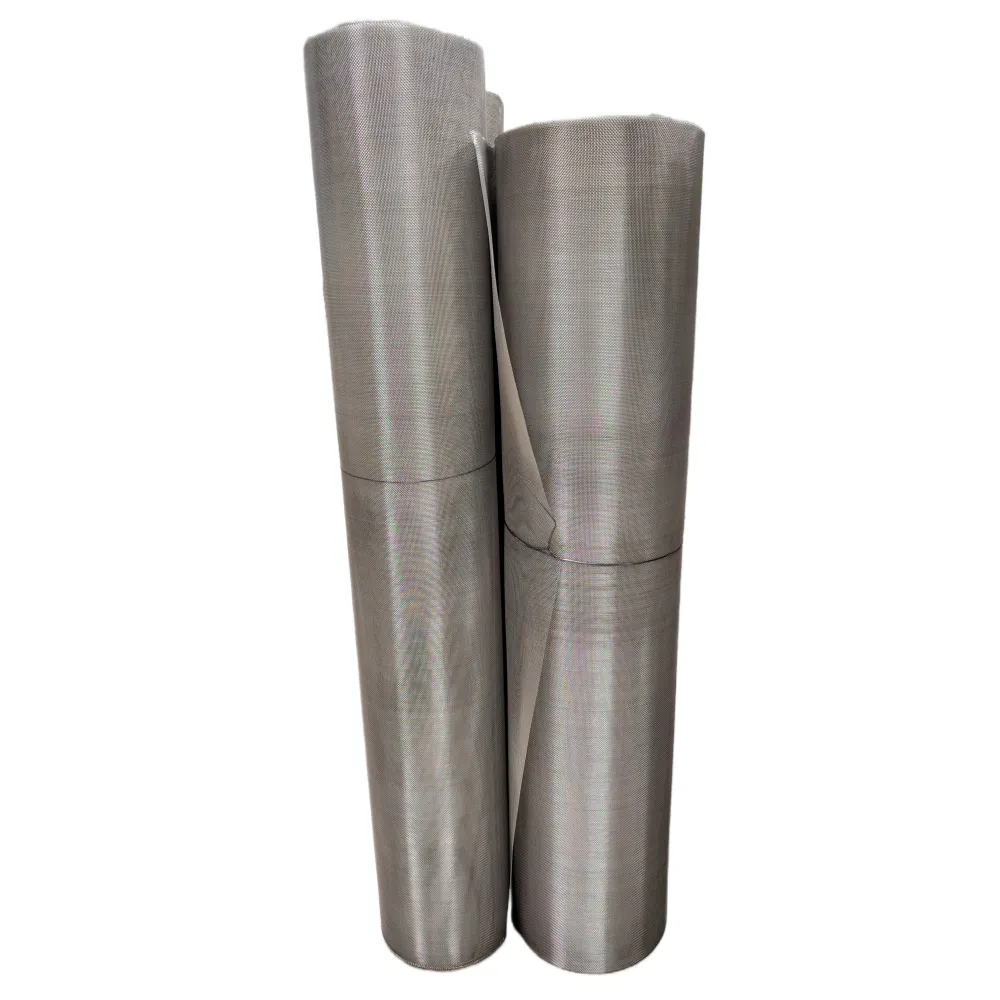
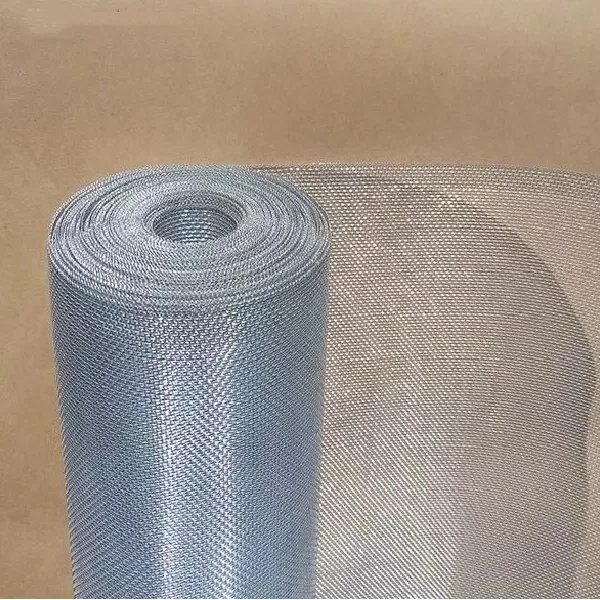
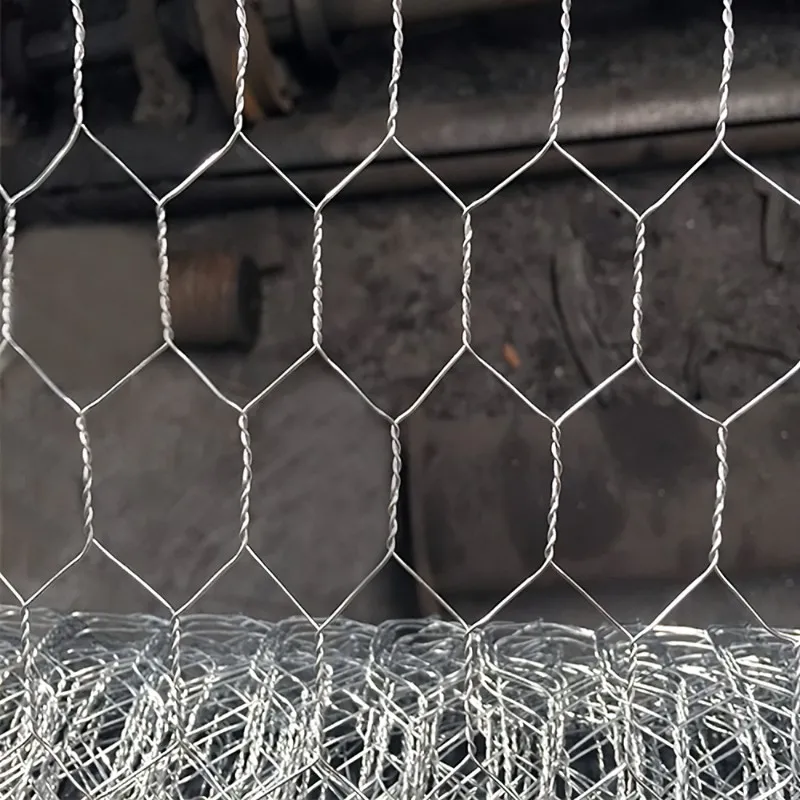
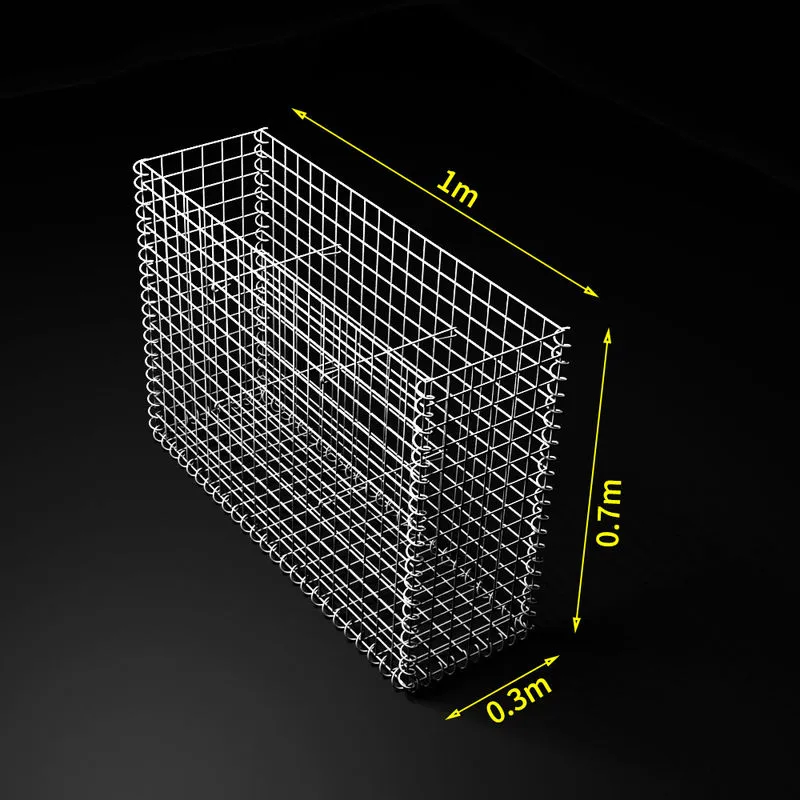
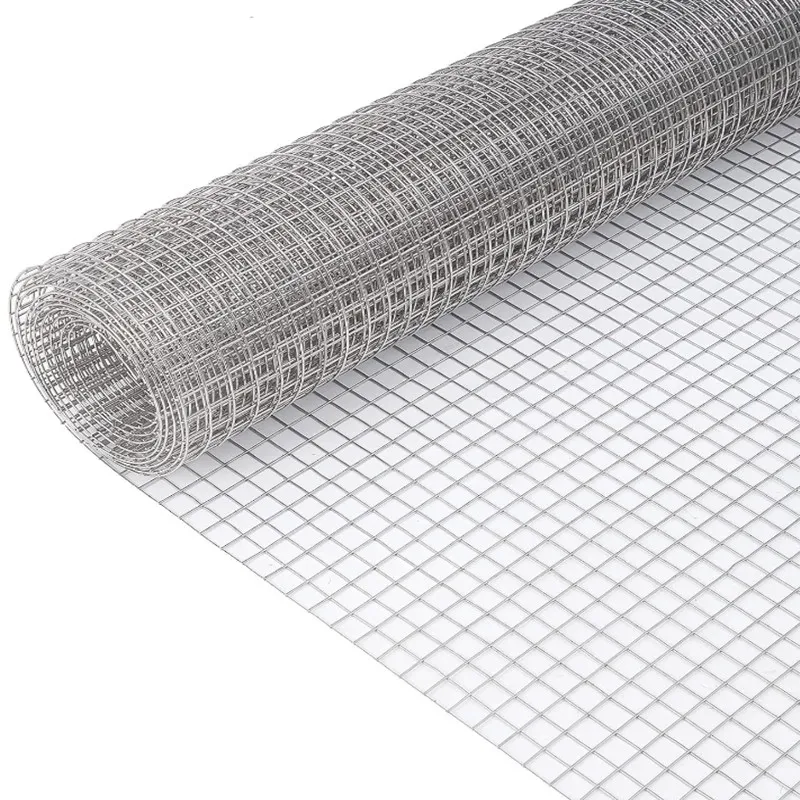
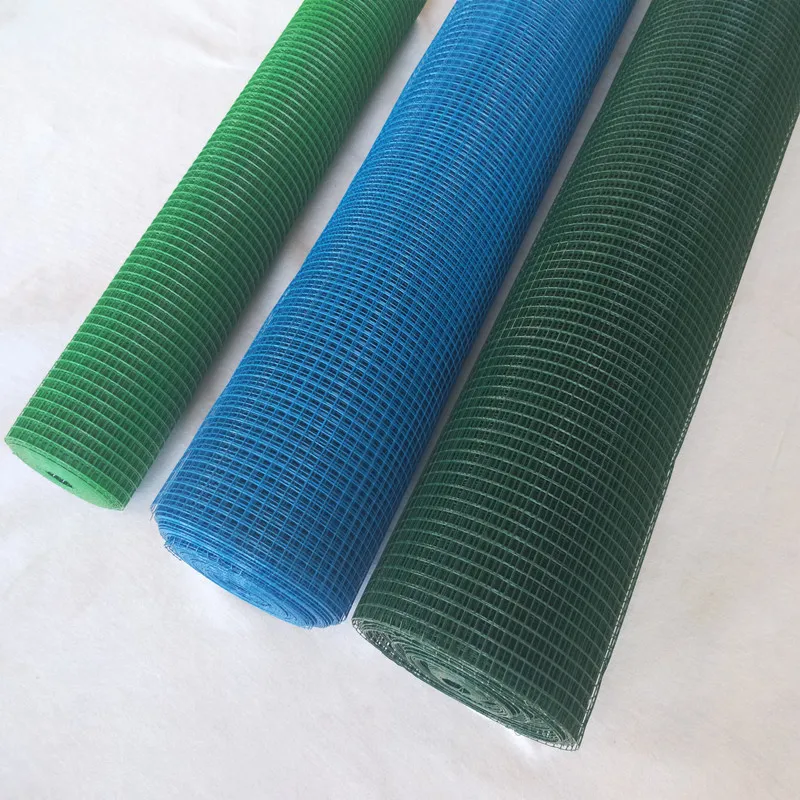
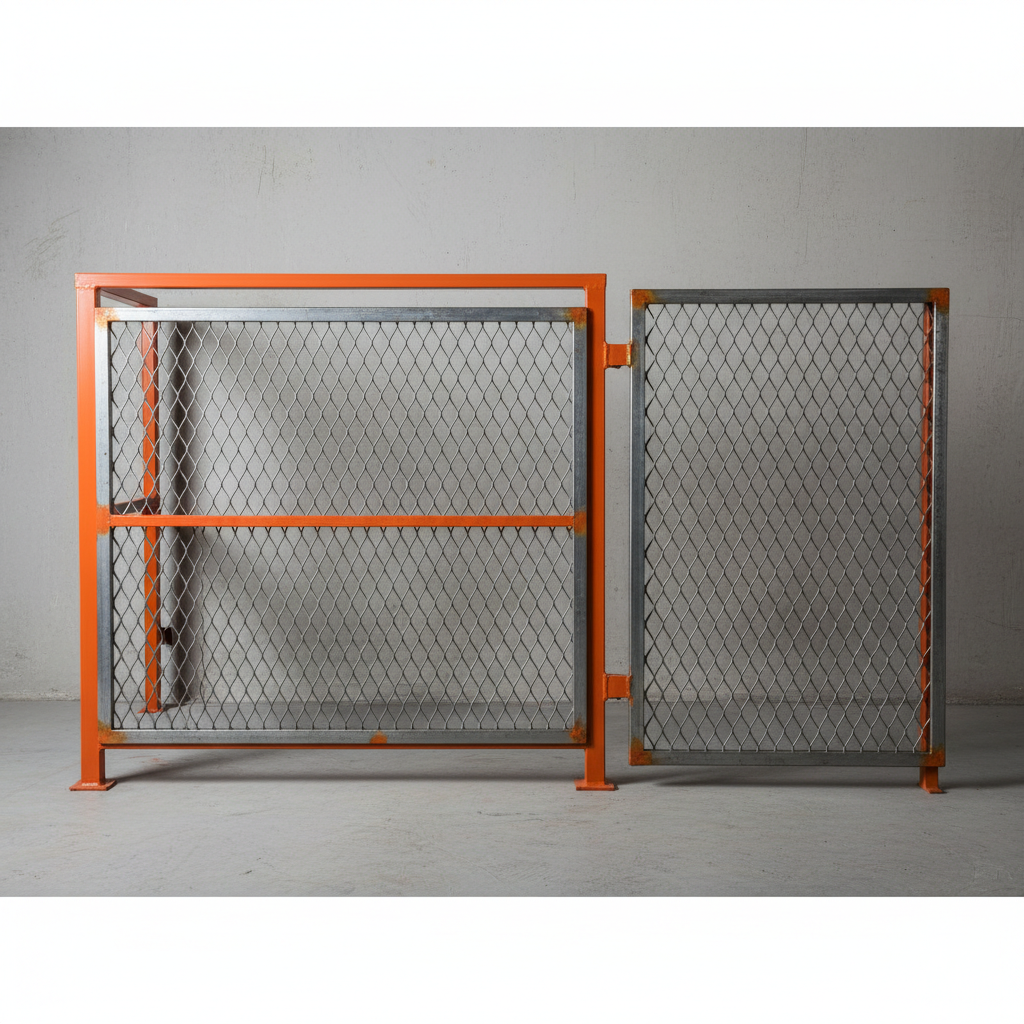
Over the years working in the industrial equipment sector, few materials have shown the versatility and reliable performance of aluminum expanded wire mesh. Oddly enough, despite its seemingly simple construction, it proves to be an unsung hero in numerous applications—from filtration to architectural facades to heavy-duty safety guards.
When I first encountered aluminum expanded mesh on the factory floor, I was struck by its unique structure: an intricate web of diamond-shaped apertures created by slitting and stretching a single sheet of aluminum. This method doesn’t involve weaving or welding, which means the mesh retains the inherent strength and corrosion resistance of the aluminum itself.
Generally, this type of mesh comes in various thicknesses and strand widths. Most manufacturers offer customization options on the diamond size and sheet dimensions, which makes it incredibly adaptable depending on your project’s needs. I recall a job where we needed a lightweight but robust grille for a ventilated enclosure in a coastal plant; aluminum expanded mesh fit the bill like a glove.
| Specification | Range/Value |
|---|---|
| Material | Aluminum Alloys 3003, 5052, 6061 |
| Sheet Thickness | 0.5 mm – 3.0 mm |
| Strand Width | 3 mm – 10 mm |
| Aperture Size (Diamond) | 6 mm – 50 mm |
| Standard Sheet Size | 1.0 m x 2.0 m, 1.2 m x 2.4 m |
| Finishes | Anodized, Mill Finish, Powder Coated |
One thing I’ve noticed—aluminum expanded mesh is surprisingly easy to work with during fabrication; it cuts cleanly and doesn’t warp easily, which frankly saves time on site. Plus, it’s naturally corrosion-resistant, which means it outlasts steel in wet or salty environments without the need for extra coatings, unless a specific aesthetic is sought.
Testing standards for this mesh focus heavily on tensile strength, elongation, and corrosion resistance. It’s important to validate the alloy grade and mesh integrity — many engineers I know insist on third-party certificates because in industrial environments, unexpected failure is not an option.
Here’s a quick rundown comparing a few top vendors I’ve worked with over the years:
| Vendor | Material Options | Customization | Typical Lead Time | Warranty/Certs |
|---|---|---|---|---|
| Tike Metal | 3003, 5052, 6061 Aluminum | Full sheet, custom dimensions & apertures | 2-3 weeks | ISO & third-party tested |
| Vendor B | Limited to 3003 Alloy | Standard sheet sizes only | 1-2 weeks | Basic OEM warranty |
| Vendor C | 5052 & 6061 Aluminum | Partial customization, mostly standard sizes | 3-4 weeks | ISO certified |
From my perspective, selecting your aluminum expanded mesh supplier really comes down to what balance you want between speed, custom specs, and quality certifications. If your project demands tight tolerances and detailed specs, it’s worth partnering with a vendor like Tike Metal. For simpler jobs, standard options might suffice.
I remember a project where a client requested a powder-coated aluminum expanded mesh for a public art installation. The mesh needed to handle foot traffic and weather exposure. After testing samples, the anodized and powder-coated samples performed better than expected—they barely showed signs of wear after six months outdoors in a humid climate.
It’s somewhat remarkable how this mesh merges form and function so elegantly. And it often flies under the radar compared to woven wire cloth or perforated panels. I suppose if you spend enough time around manufacturing plants, you start to appreciate these quietly indispensable materials.
So, if your project calls for a lightweight, durable, and adaptable metal mesh, consider looking into aluminum expanded wire mesh—you might even find yourself impressed by the breadth of choices and finishes available nowadays.
— Reflecting on decades in industrial materials, this mesh is one of those “go-to” components that quietly keeps things running smoothly in factories and construction sites alike.
RELATED PRODUCTS





Top