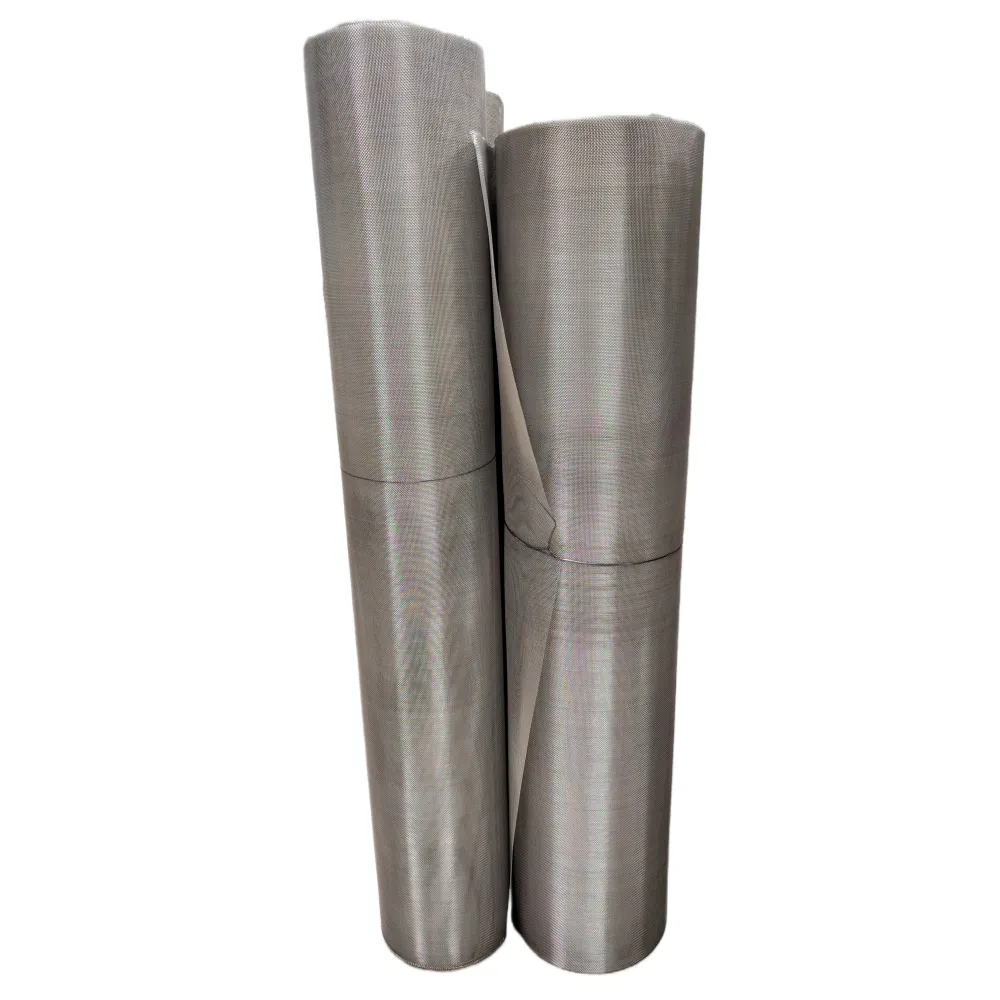
Having spent more than a decade in the industrial equipment sector, I’ve seen materials come and go, each promising something unique. But some, like aluminium diamond mesh, quite simply stick with you. There’s a particular kind of resilience and versatility that this product offers, and frankly, it’s been one of my go-to solutions for a variety of structural and design challenges.
If you’re only just getting familiar with it, aluminium diamond mesh is essentially a sheet of aluminium plate patterned with raised diamond-shaped projections. These raised shapes aren’t just aesthetic—they serve a functional purpose, improving grip and preventing slips in industrial flooring, walkways, ramps, and even vehicle interiors. While steel has traditionally ruled the anti-slip surface game, aluminium’s lighter weight and corrosion resistance have propelled it forward in recent years.
Oddly enough, many engineers still underestimate how much the mesh pattern improves overall strength without adding much weight. It’s sort of like nature’s way of showing you how geometry helps, especially when you consider how the diamond pattern deflects loads and prevents bending under stress. I remember visiting a manufacturing plant where their replacement aluminium diamond mesh flooring lasted twice as long as their previous steel setup, simply because it resisted both corrosion and fatigue better.
| Specification | Details |
|---|---|
| Material | Aluminium alloy 5052 or 6061 |
| Thickness Options | 2 mm to 6 mm |
| Diamond Height | 2.5 mm to 3.5 mm |
| Standard Width | 1000 mm to 1500 mm |
| Corrosion Resistance | Excellent in marine and harsh environments |
| Finish | Mill finish or anodized |
Now, I suppose you might wonder how aluminium diamond mesh stacks up against other similar materials or brands. After all, there’s no shortage of choices. Let me break down a simple vendor comparison from my recent fieldwork and customer feedback.
| Feature | Vendor A | Vendor B | Vendor C (Typical Product) |
|---|---|---|---|
| Material Alloy Quality | 5052 - High purity | 6061 - Medium purity | 6061 - Standard grade |
| Diamond Height (mm) | 3.5 | 3.0 | 2.5 |
| Corrosion Resistance | Excellent, marine rated | Good | Fair |
| Customization Options | Widths, finishes, patterns | Limited | Limited |
| Price Range | $$$ | $$ | $ |
I’ve worked directly with Vendor A’s aluminium diamond mesh many times, and what stands out is their flexibility and quality control. Their 5052 alloy consistently outperforms in seaside factories, where corrosion usually decimates cheaper steels or lower-grade aluminium. Even when customers initially balk at the price, they’re invariably pleased after a year or two when the mesh still looks and functions great—no rust, no warping.
A small anecdote: A client in the food processing sector switched over because they had issues with rust contamination on steel surfaces. Once they transitioned to aluminium diamond mesh from Vendor A, their cleaning routine simplified, product contamination ceased, and compliance became easier. It feels good to see a product solve problems so cleanly—sort of reinforces why I trust this material.
In real terms, choosing aluminium diamond mesh isn’t just about the pattern or shine. It’s about reliability, safety, and longevity. Whether it’s a factory floor, a truck bed, or a custom guard panel, knowing your mesh won’t degrade quickly makes a huge difference.
If you want to dive deeper or get an idea of specific products, this supplier’s site offers a good range and clear specs. Seriously, I suggest checking them out.
Reflecting on all this, I think aluminium diamond mesh is underrated for what it brings to the table. Durable, lightweight, and versatile—it’s a quiet workhorse in multiple industries.
References:
1. Industrial Materials Handbook, 2023 Edition
2. Corrosion Studies on Aluminium Alloys, J. Metallurgy Journal, 2022
3. Manufacturer feedback and field interviews, 2023
RELATED PRODUCTS





Top