Metal mesh with a 1 2 inch grid size might sound oddly specific, but it’s one of those quietly essential materials that underpin vast sectors worldwide—from construction and filtration to security and environmental protection. Grasping what 1 2 inch metal mesh entails, and why it’s so useful globally, helps companies and communities make smarter choices in infrastructure, manufacturing, and beyond. After all, when you talk about durable, versatile, and cost-effective materials, this grade of metal mesh frequently pops up as a top contender.
Global industry statistics show that metal mesh consumption grows steadily—driven by increasing infrastructure needs, renewable energy projects, and industrial filtration systems. The World Bank’s data on construction materials reflects a steady demand, while ISO standards ensure the quality and consistency of metal meshes worldwide. But what challenges does this solve? Well, in industries requiring precise particle separation, robust safety barriers, or efficient ventilation, a 1 2 inch metal mesh strikes an ideal balance of strength and permeability.
Think about filtration plants that demand reliable sieving without clogging, or construction sites needing sturdy fencing that doesn't block airflow or light—this mesh size meets those needs perfectly. Oddly enough, despite its humble appearance, using the wrong mesh size can lead to expensive failures or safety hazards. So, the right choice literally means the difference between operational success and costly downtime.
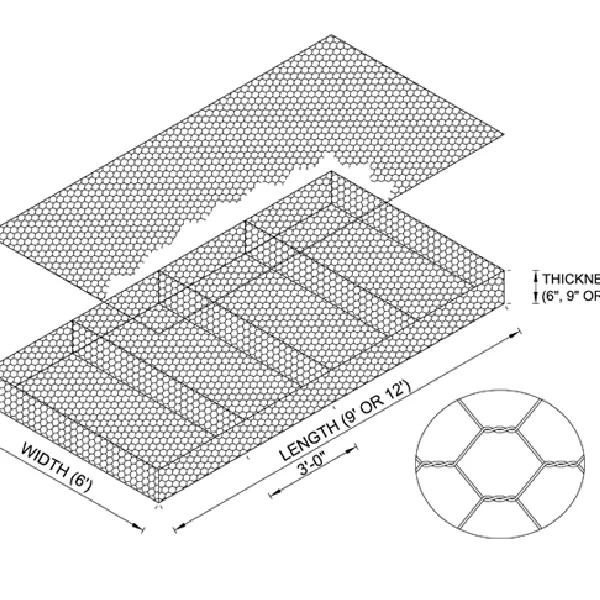
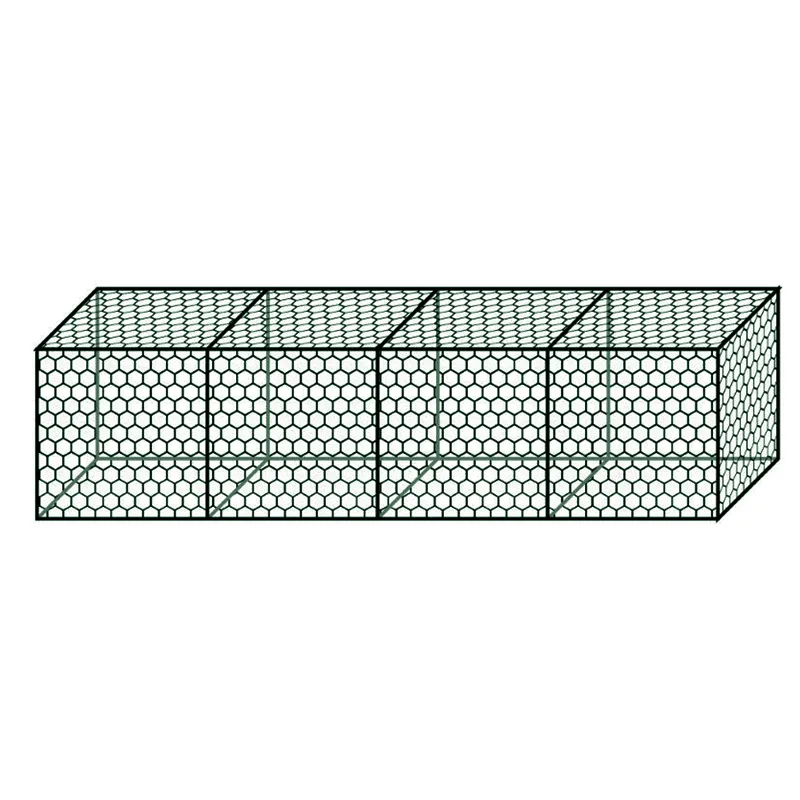
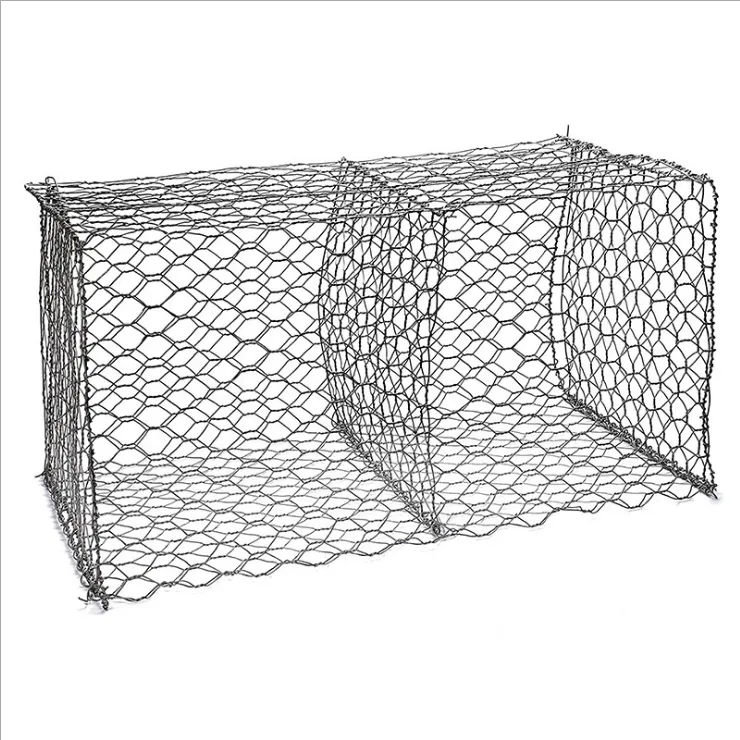
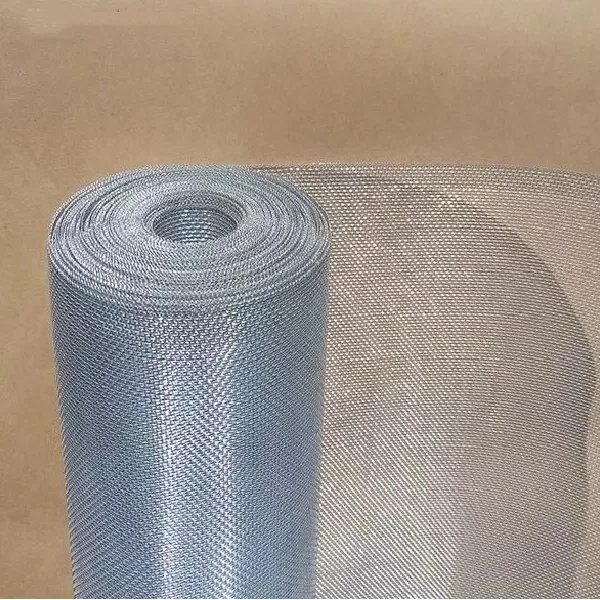
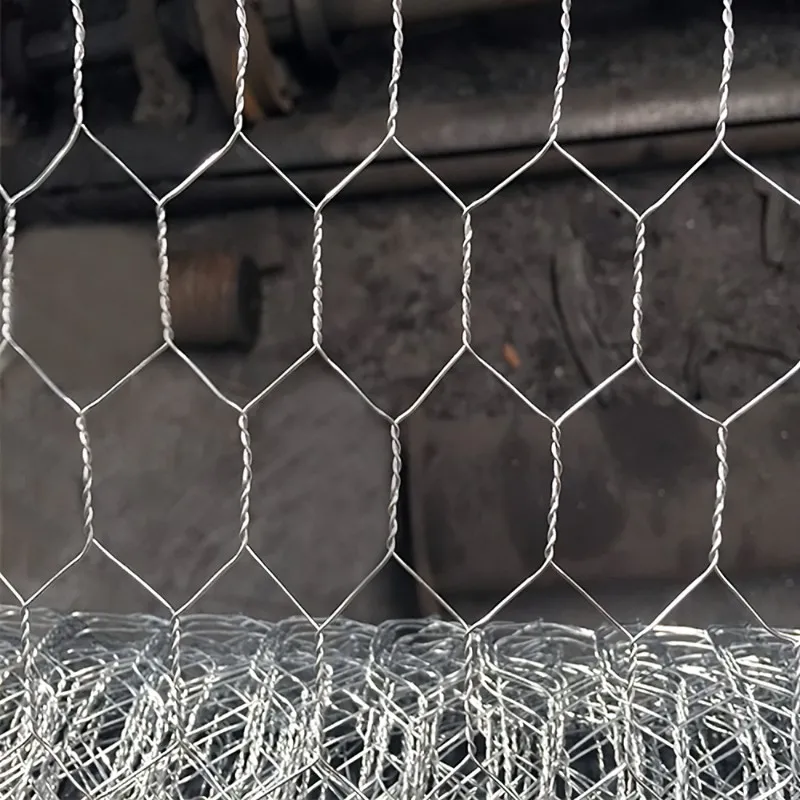
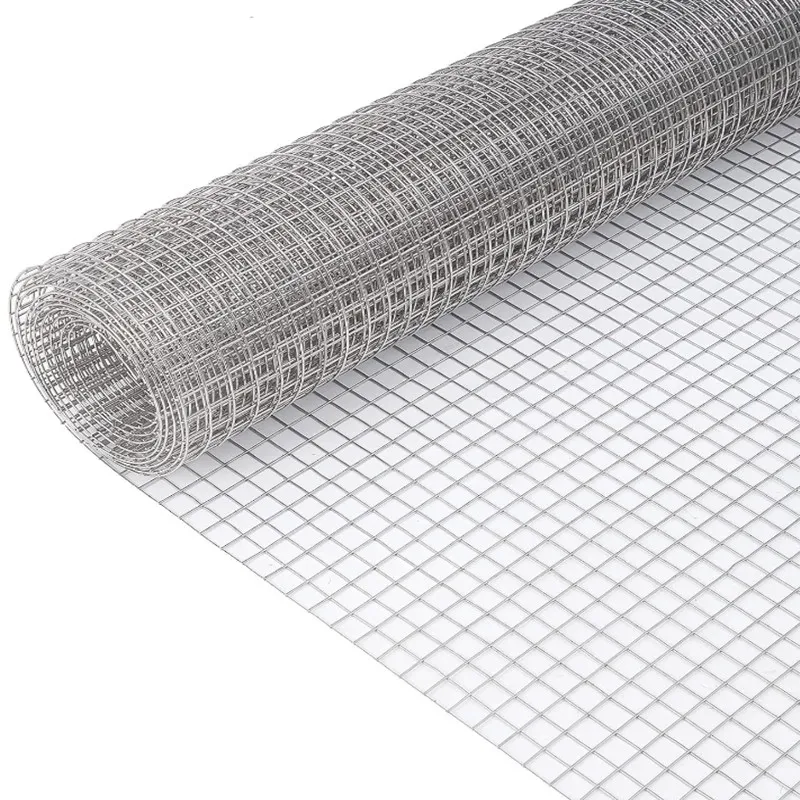
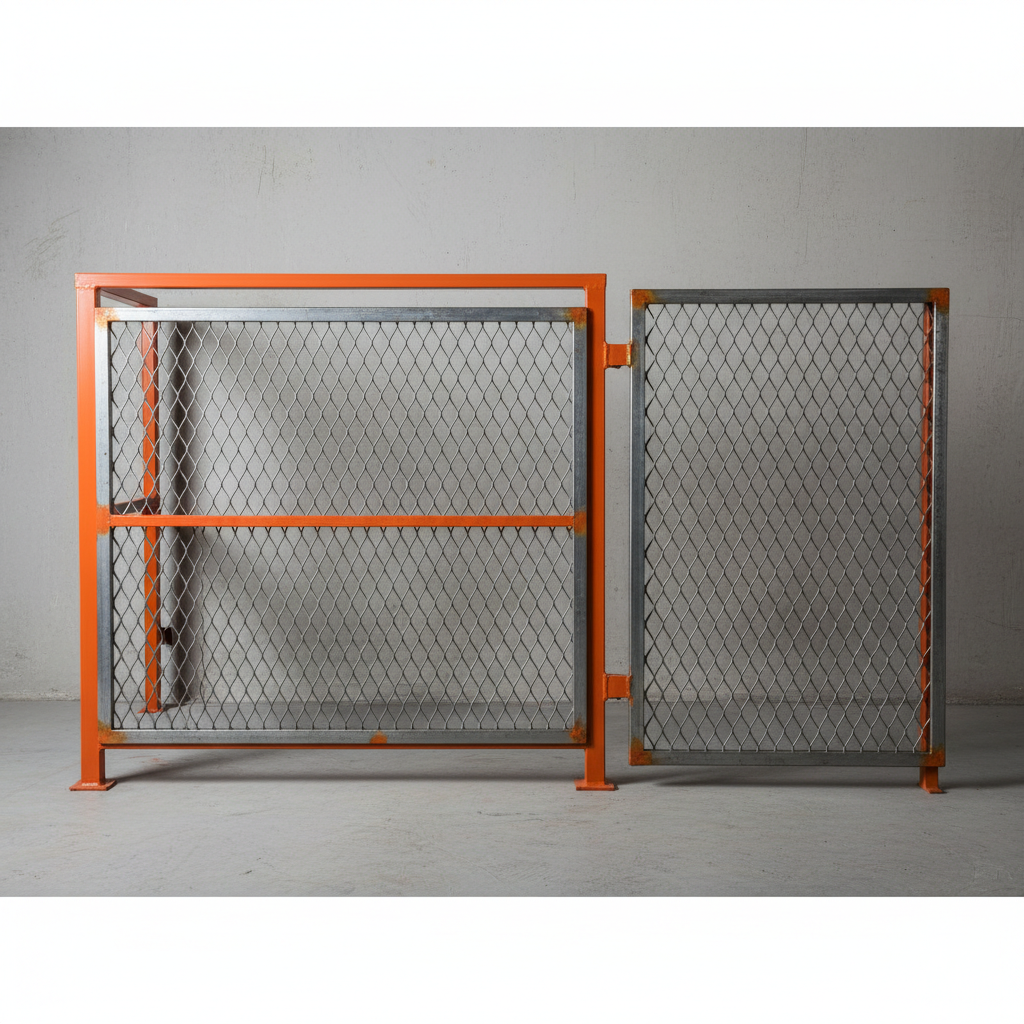
Simply put, a 1 2 inch metal mesh refers to a grid where each “opening” measures half an inch (0.5 inches) across. Picture a net of metal wires or strips woven or welded together to form square or sometimes rectangular holes roughly 12.7 mm wide. The wires themselves can vary in thickness and material, but the consistent spacing defines the mesh size.
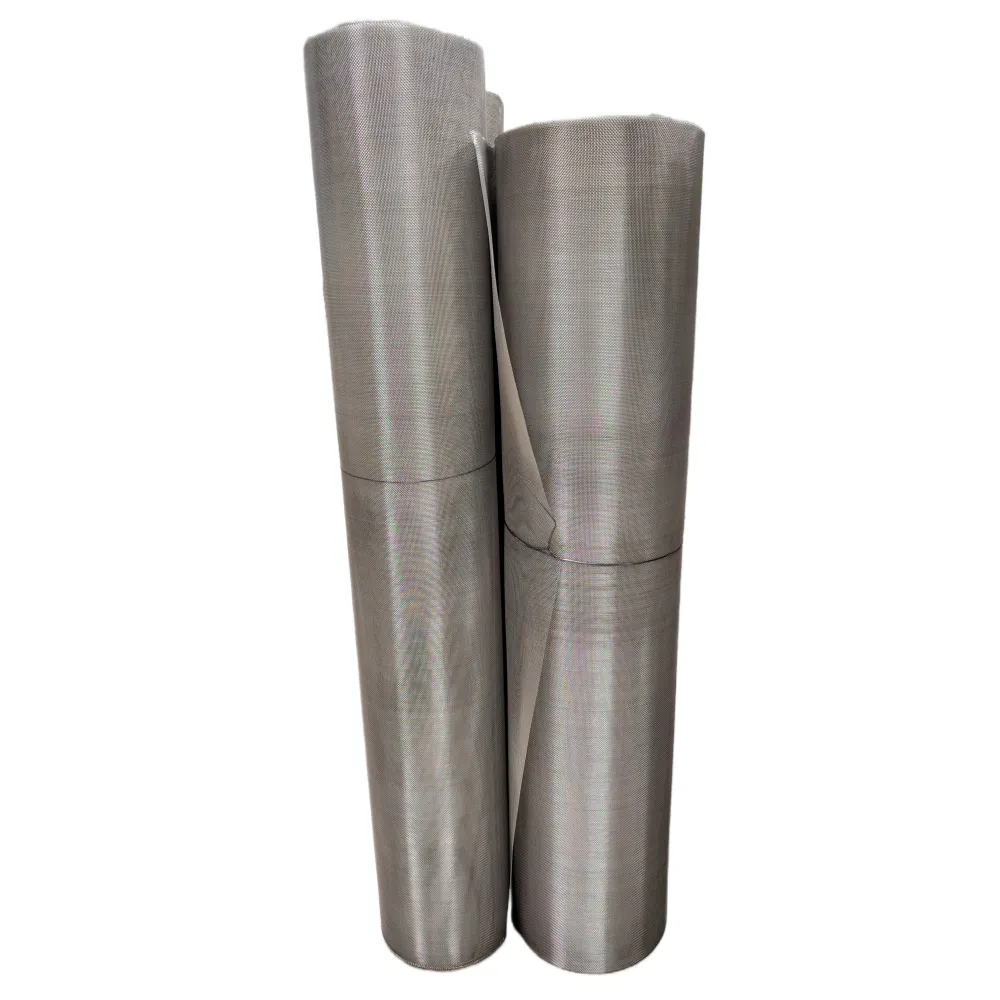
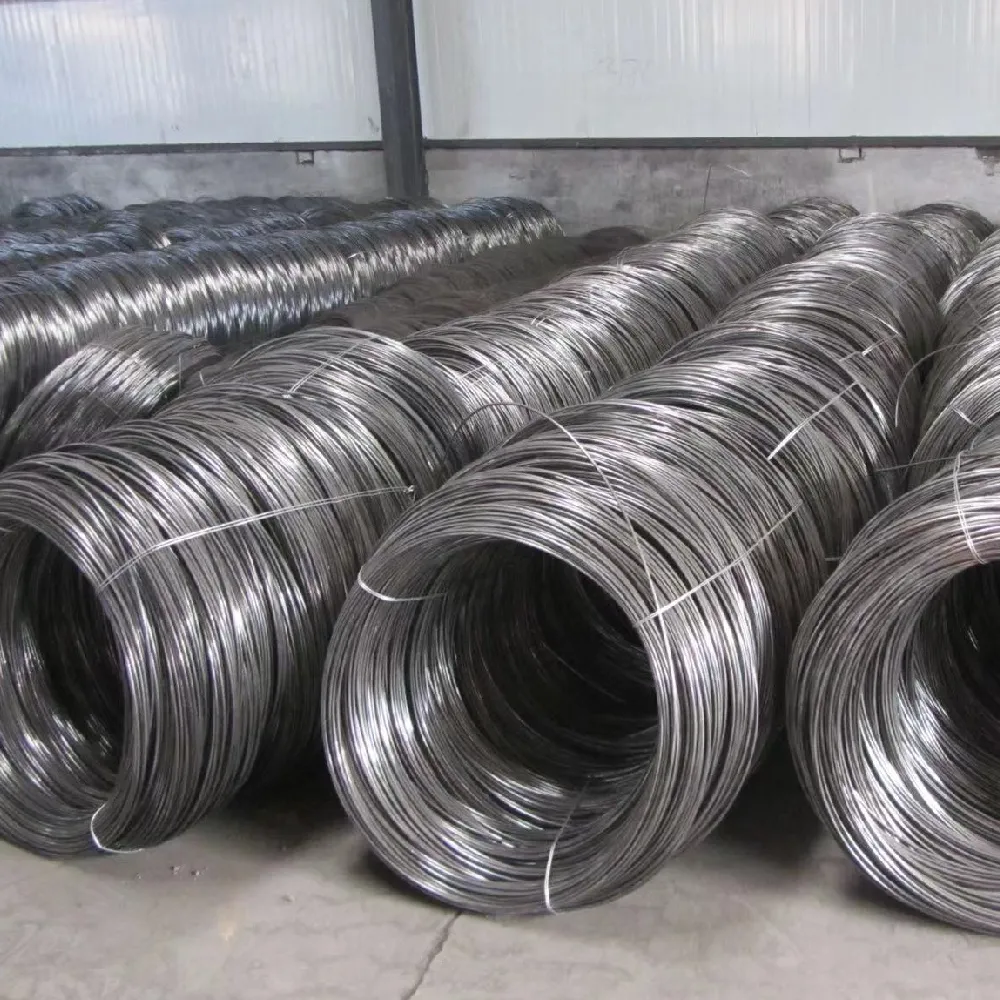
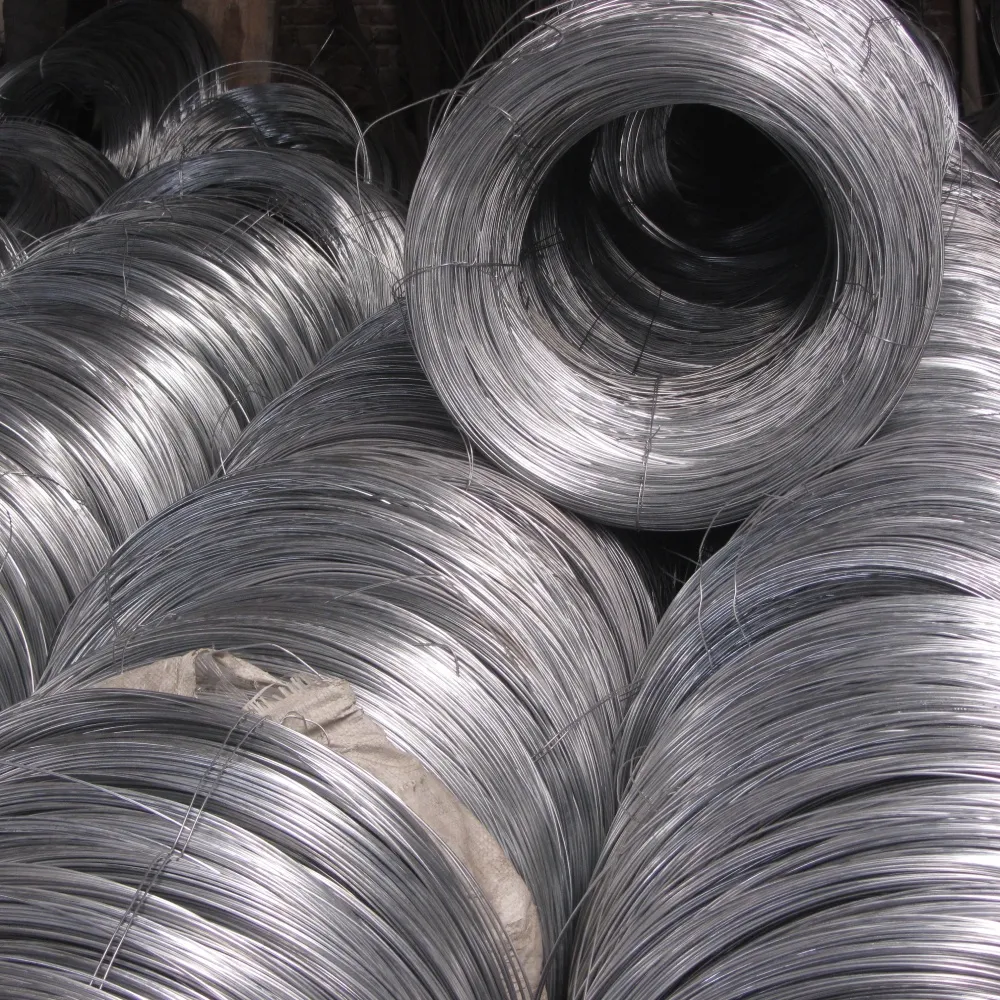
This wire spacing makes it ideal for applications needing moderate filtration – neither too fine to clog quickly nor too coarse to let unwanted materials pass. These meshes come typically in materials like stainless steel, galvanized steel, or aluminum, each enhancing durability, corrosion resistance, or lightness depending on use.
Mini takeaway: The 1 2 inch metal mesh’s uniform half-inch openings packed into varied metal types offer a nice blend of function and economy, perfect for many industrial and environmental uses.
Let’s not get stuck on theory. In construction, this mesh props up as protective screens around heavy machinery or scaffolding, especially in urban sites where debris containment is critical. The oil and gas industries use it for filtration and sieving tasks that demand consistent aperture size.
Humanitarian groups in disaster zones rely on 1 2 inch metal mesh fencing for temporary shelters or sanitation facilities that need airflow with safety. In agricultural regions, these meshes serve in pest control fencing or greenhouse screens, protecting crops without hampering air flow.
Regions like the Middle East, North America, and parts of Asia with intensive manufacturing industries have adopted this mesh in environmental protection filters and infrastructure reinforcements. The UN environmental programs have even referenced similar mesh types in recommendations for sustainable construction practices.
In a way, these meshes build trust. Workers feel safer, clients get assured quality, and communities experience tangible benefits. That’s more than just steel and wire — it’s infrastructure supporting dignity and safety, frankly.
Looking ahead, developments in nano-coatings aim to improve corrosion resistance further, while automated weaving techniques promise faster, more precise manufacturing. Researchers are exploring combining traditional metal with composites to reduce weight while maintaining strength. Also, environmental sustainability pushes the industry toward recycled steel meshes and greener production methods.
Digitally integrated smart meshes with sensors for structural health monitoring are a fascinating direction — imagine meshes that report stress or damage before failure. Renewable energy projects particularly eye metal mesh innovations for turbine guards or solar panel screens that maximize airflow and durability.
Like any material, 1 2 inch metal mesh isn’t silver-bullet perfect. Challenges include corrosion in harsh environments, weight issues in certain industrial setups, and sometimes supply chain bottlenecks for specialized alloys.
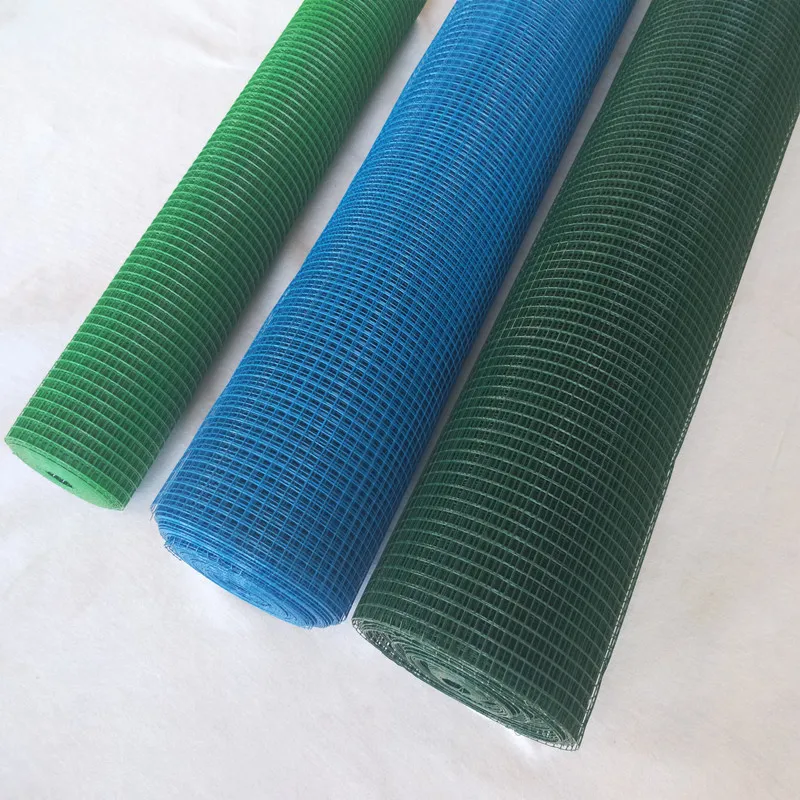
To combat this, manufacturers pre-treat meshes with galvanization or powder coating, engineers design frames to reduce load stress, and strategic sourcing prioritizes bulk and local availability. Collaboration between suppliers and end-users drives continuous improvement. It’s a constant balancing act between cost, performance, and availability.
| Specification | Value |
|---|---|
| Mesh Opening Size | 0.5 inch (12.7 mm) |
| Common Wire Diameter | 0.032–0.125 inch (0.8–3.2 mm) |
| Materials | Stainless steel, galvanized steel, aluminum |
| Typical Sheet Size | 4 ft x 8 ft (1.2 m x 2.4 m) |
| Applications | Filtration, fencing, ventilation, security barriers |
| Vendor | Material Options | Custom Sizes | Lead Time | Price Range |
|---|---|---|---|---|
| MeshMaster Inc. | Stainless, galvanized | Yes | 2–3 weeks | $$ |
| SteelGrid Solutions | Aluminum, galvanized | No | 1 week | $ |
| WireTech Global | Stainless steel only | Yes | 3–4 weeks | $$$ |
Long-term, 1 2 inch metal mesh remains a cornerstone for industries and communities looking for resilient, multipurpose materials. Whether it’s protecting sites safely, filtering critical particles, or supporting sustainable construction, this mesh size delivers value both technically and economically. If you want to explore further or source quality meshes, do check out https://www.tikemetal.com. There’s always something new in steel mesh innovation, and frankly, staying updated pays off.
Reflection: It’s funny how a simple half-inch gap in metal wires can become such a linchpin—invisibly supporting vast infrastructure and safety networks. Like many materials we take for granted, understanding the nuances lets us appreciate both science and craft behind everyday utilities.
RELATED PRODUCTS





Top