Look, been running around construction sites all year, and let me tell you, things are changing fast. It's not just about bigger, better, faster anymore. Everyone's obsessed with 'smart' now, right? Smart materials, smart sensors… Honestly, it's a bit much sometimes. But the biggest trend I’m seeing is a push for more sustainable stuff, especially in larger projects. They’re asking about recycled content, lower carbon footprints… Stuff we didn’t even think about five years ago.
And then there’s the whole modular thing. Prefabricated components, quick assembly… sounds great on paper. But you get on site, and things never quite line up perfectly. It's always that little bit off, that one connector that doesn't fit... Makes you wonder if they even bother with real-world testing.
To be honest, I'm seeing a lot of engineers get tripped up by seemingly simple design choices. Like, they’ll spec a material that looks fantastic in the CAD model but is an absolute nightmare to work with in the field. Or they'll forget to account for thermal expansion and contraction. Have you noticed how everything seems to creak and groan a bit more in the summer? Anyway, it's always the details that get you.
The Current Landscape of wire mesh suppliers
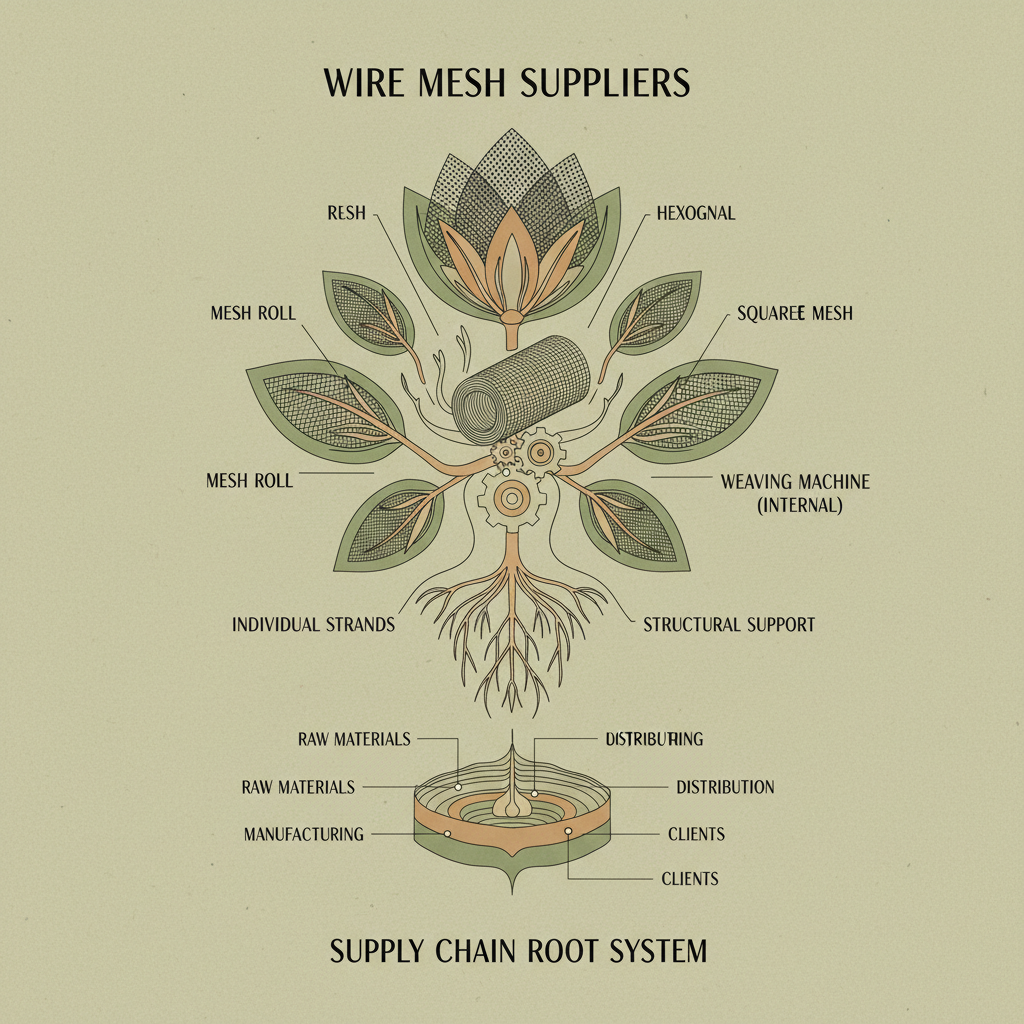
Honestly, the whole supply chain for this stuff is a mess. Everyone's chasing the lowest price, and quality is often the first thing to suffer. You've got your big international suppliers, of course, but increasingly, smaller regional outfits are popping up, trying to undercut them. Strangely, I find the smaller guys are often more responsive, but they sometimes struggle with consistency. You order 100 rolls, and the first 20 are perfect, but the last 80… well, let's just say you'll be spending a lot of time on quality control.
The biggest issue right now? Lead times. Everything is taking longer to get here. Shipping costs have gone through the roof, and then you have the port congestion. It's a real headache.
Common Design Pitfalls in wire mesh suppliers
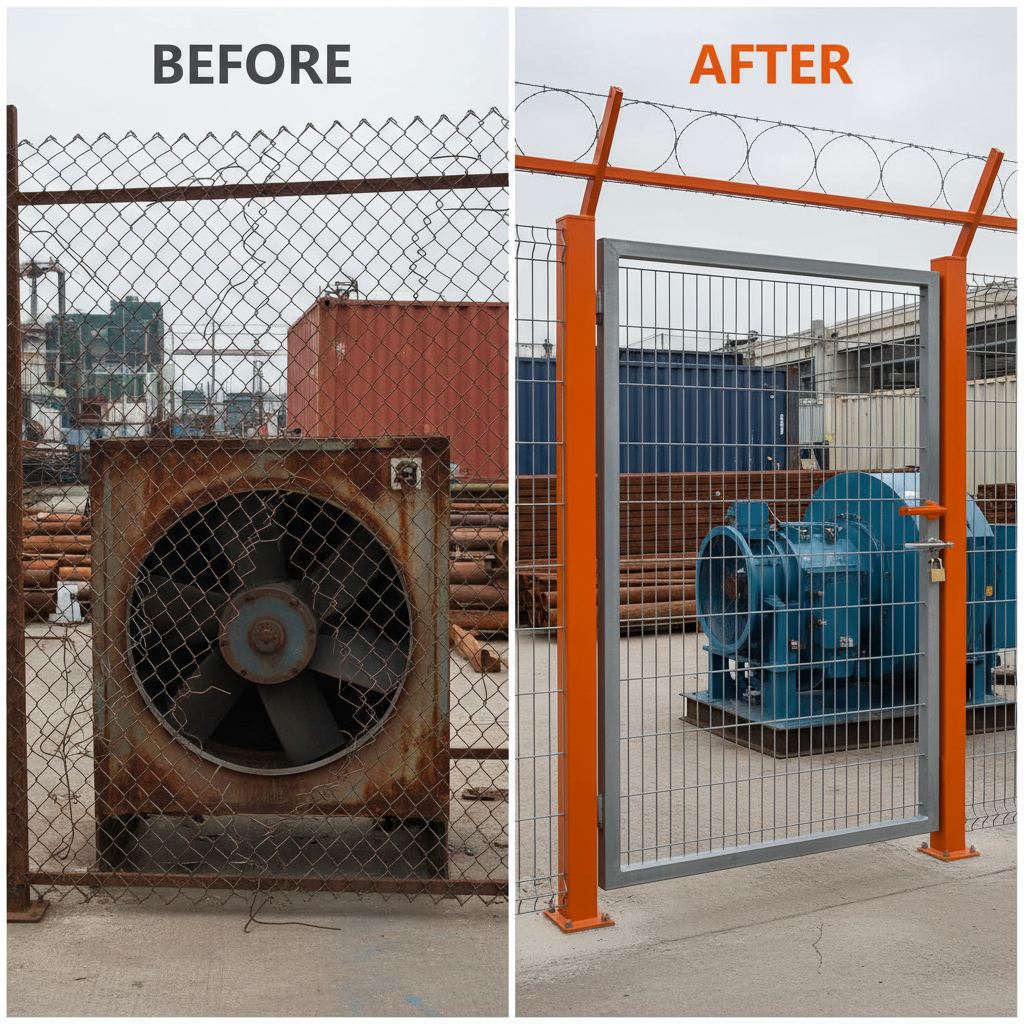
I encountered this at a factory in Ningbo last time. They designed this complex support structure, beautiful on paper, but completely ignored the issue of corrosion. They used mild steel in a coastal environment… Honestly, I almost laughed. The thing was rusting before it even left the workshop! You need to think about the environment, the materials, and how they’re going to interact over time.
Another common mistake? Over-engineering. Engineers love to add safety factors, which is good, but sometimes they go overboard. You end up with a structure that’s twice as strong as it needs to be, but also twice as heavy and twice as expensive. It’s about finding the right balance.
And don’t even get me started on fasteners. People always underestimate the importance of a good fastener. If you skimp on the screws, bolts, and washers, the whole thing will fall apart eventually.
Material Deep Dive: What We're Actually Using
We're still using a lot of galvanized steel, obviously. It's cheap and readily available. But the quality varies wildly. You can smell the zinc coating, you know? A good coating smells clean, almost metallic. A bad one smells… off. Like something's been mixed in with it. It’s weird, but you get used to it.
Stainless steel is becoming more popular, especially for higher-end projects. It’s expensive, but it lasts. You can tell the difference just by handling it. It feels solid, substantial. And it doesn’t corrode. But even stainless steel isn't perfect. There are different grades, and some are more resistant to corrosion than others. You gotta know your alloys.
And then there's polymer mesh. It’s lightweight, it's flexible, and it doesn't rust. But it's not as strong as steel. And it degrades over time, especially in sunlight. It’s good for temporary applications, but not for anything structural.
Real-World Testing: Beyond the Lab
Look, lab tests are fine, but they don't tell you the whole story. You need to see how the material performs in the real world. We do a lot of on-site testing. Load tests, stress tests… We put the materials through their paces. I once saw a support structure buckle under a load that was significantly lower than what the lab tests had predicted. Turns out, the installation wasn't done properly. It's not always the material that's the problem.
We also do a lot of visual inspections. Are there any cracks, dents, or signs of corrosion? Is the coating intact? Does everything fit together properly? These are the things you can only see by getting your hands dirty.
wire mesh suppliers Performance Metrics
How Users Really Interact with wire mesh suppliers
You know, it's rarely what the designers intend. They think it's going to be used in a clean, controlled environment, but it's usually covered in mud, grease, and who-knows-what-else. Workers aren’t gentle with materials, they need to get things done fast. They cut corners, they improvise… you gotta design for that.
And they often modify things. They'll add extra supports, they'll change the connections, they'll do whatever it takes to make it work. Later… forget it, I won’t mention it.
The Upsides & Downsides of Modern wire mesh suppliers
The good stuff? The lightweight materials are a game-changer. They make installation easier and reduce transportation costs. And the new coatings are much more durable than the old ones. They'll withstand a lot more abuse.
The downsides? The price, obviously. And the complexity. Some of these new materials are just plain difficult to work with. They require specialized tools and training. And if you do something wrong, you can ruin the whole thing.
Plus, all this innovation… sometimes it's just innovation for the sake of innovation. It doesn’t actually solve a real problem.
Customization Options & A Client Story
You can get pretty much anything customized these days. Different sizes, different shapes, different materials, different finishes… you name it. But it’s not always worth it. Customization adds cost and lead time. You have to weigh the benefits against the drawbacks.
Last month, that small boss in Shenzhen who makes smart home devices insisted on changing the interface to , because "everyone's using now." The original design used a standard barrel connector, which was perfectly reliable and much cheaper. He spent a fortune on the redesign, and then he discovered that the connectors were actually less durable and more prone to failure.
He ended up going back to the barrel connector. It’s always the simple solutions that work best.
Summary of Key Material Attributes for wire mesh suppliers
| Material Type |
Cost (Relative) |
Durability (1-5) |
Workability (Ease of Use) |
| Galvanized Steel |
Low |
3 |
Easy |
| Stainless Steel 304 |
Medium |
4 |
Medium |
| Stainless Steel 316 |
High |
5 |
Medium |
| Polymer Mesh |
Low |
2 |
Easy |
| Aluminum Mesh |
Medium |
3 |
Easy |
| Titanium Mesh |
Very High |
5 |
Difficult |
FAQS
Honestly, it's the environment. Coastal areas, high humidity, exposure to chemicals... all of that will accelerate corrosion. The thickness of the zinc coating matters too, of course, but even the thickest coating won't last forever in harsh conditions. Regular inspections and maintenance are crucial. Re-galvanizing is possible, but it's a pain.
Not necessarily. It depends on the application. If you’re dealing with a corrosive environment or need extreme durability, then yes, stainless steel is worth it. But if it's a relatively benign environment and you’re on a tight budget, galvanized steel might be sufficient. Think long-term cost of ownership, not just the initial price.
That’s the million-dollar question, isn’t it? I check every single roll, visually and with a coating thickness gauge. I also keep a detailed record of each supplier's performance. And if they consistently deliver subpar quality, I find someone else. It’s a constant battle, though.
Improper tensioning. If the mesh isn’t stretched tight enough, it will sag and deform over time. And if it's stretched too tight, it can tear or damage the supporting structure. There's a sweet spot, and it takes experience to find it. Plus, always use the correct fasteners.
Powder coating is becoming more popular. It's more durable and environmentally friendly than traditional liquid coatings. Also, look into ceramic coatings. They offer excellent corrosion resistance and can withstand extremely high temperatures. But they’re expensive.
Critical. The aperture size determines what can pass through the mesh. If you need to filter out fine particles, you need a small aperture. If you need to allow for good airflow, you need a larger aperture. It’s all about understanding the specific requirements of the application. Get this wrong, and the whole thing is useless.
Conclusion
So, ultimately, whether this stuff works or not, it comes down to the details. The material, the design, the installation, the environment… it all matters. And it takes experience and a keen eye to get it right. It's not glamorous work, but it's important work.
Look, at the end of the day, whether this thing works or not, the worker will know the moment he tightens the screw. That’s the truth of it. If it feels solid, if it fits properly, if it looks right… then you’re probably okay. If it doesn’t? Well, you better start over. Visit our website: www.tikemetal.com