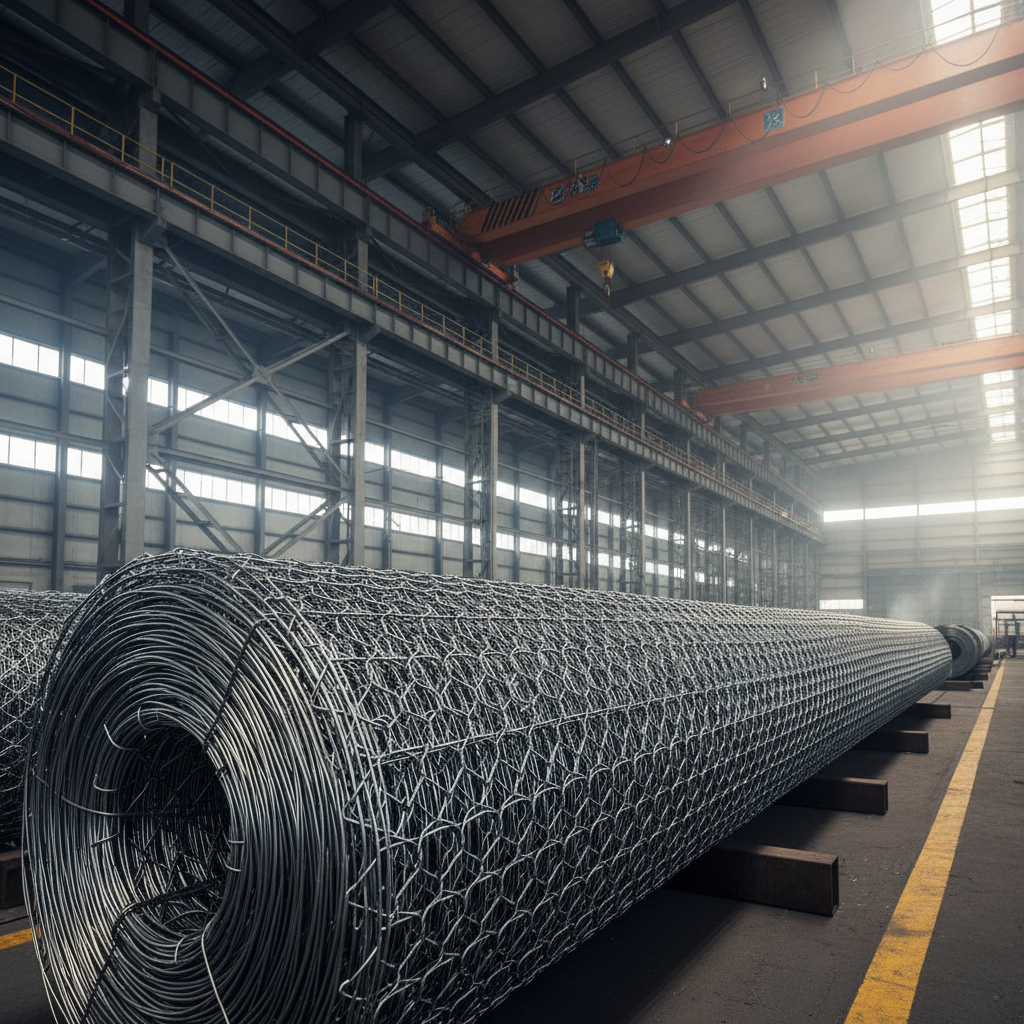
Choosing the right boundary solution for a landscape often involves a delicate balance between security and aesthetics. A green wire garden fence offers a sophisticated compromise, providing the robust structural integrity of steel while blending seamlessly into the natural greenery of a residential or commercial garden. By utilizing specialized coatings, these fences ensure that the perimeter remains secure without creating a harsh visual barrier that disrupts the organic flow of the environment.
Globally, the demand for integrated landscape security has surged as urban spaces integrate more "green lungs" and private gardens. The shift toward sustainable and visually unobtrusive materials is not just a design trend but a response to a growing need for mental well-being and environmental harmony. A high-quality green wire garden fence addresses these needs by offering long-term corrosion resistance and a color palette that mimics nature, reducing the "industrial feel" of traditional wire mesh.
Understanding the technical specifications of these fencing systems—from the micron thickness of the PVC coating to the galvanization process—is crucial for any property owner or contractor. Whether you are protecting a delicate botanical collection or defining the boundaries of a suburban home, the choice of wire gauge and weave type determines the lifespan and effectiveness of the installation. This guide explores the intricacies of these systems to help you make an informed decision.
Global Context of Green Wire Garden Fencing
The global landscaping and security industry has seen a significant pivot toward "invisible" security. According to international building standards and urban planning trends, there is an increasing emphasis on the "biophilic" approach, which seeks to connect people more closely with nature. In this context, the green wire garden fence has become a staple for urban developers who need to secure perimeters without compromising the aesthetic value of green belts.
From a technical standpoint, the challenge has always been the oxidation of steel in humid garden environments. Traditional fences often rust, leading to unsightly streaks and structural failure. The modern industry addresses this by combining hot-dipped galvanization with a high-density PVC powder coating, ensuring that the fence survives diverse climates—from the salty air of coastal regions to the freezing winters of northern latitudes—while maintaining its vibrant green hue.
Definition and Industrial Meaning
In simple terms, a green wire garden fence is a specialized wire mesh system made from carbon steel or stainless steel that has undergone a dual-layer protection process. First, the wire is galvanized to prevent internal corrosion, and secondly, it is coated in a green polymer (usually PVC or PE) that provides both a color-matched camouflage for gardens and an additional shield against UV radiation and moisture.
Industrially, this product represents the intersection of metallurgy and polymer science. It is no longer just about "putting up a fence," but about engineering a barrier that can withstand specific environmental stressors. The "green" aspect is not merely cosmetic; it reflects a broader humanitarian and architectural need to reduce visual pollution in residential areas, making security feel less like a prison and more like a boundary.
Furthermore, the variety of weave types—such as hexagonal, welded, or woven—allows these fences to be adapted for different needs. Whether it is a light-duty poultry barrier or a heavy-duty perimeter for a public park, the green wire configuration ensures that the industrial strength of the metal is hidden beneath a layer of natural-looking protection.
Core Components of High-Quality Fencing
The durability of a green wire garden fence starts with the core wire. High-tensile steel is typically used to prevent sagging over long spans, ensuring the fence remains taut and functional. The quality of the galvanization—whether it's galvanized before weaving or after—determines how well the joints are protected from the elements.
The coating process is where the true value lies. A premium green wire garden fence utilizes a PVC coating that is UV-stabilized. Without this stabilization, the green color would fade to a dull grey within a few years of exposure to direct sunlight. The thickness of this coating (measured in microns) acts as a critical barrier against scratches and impact.
Finally, the edge treatment (selvage) is a detail often overlooked by amateurs but prioritized by experts. Whether it is a closed welded selvage or a returned selvage, the way the fence ends prevent fraying and ensure a clean, professional look during installation, significantly reducing the time and labor costs for the end user.
Performance Comparison of Coating Methods
When selecting a green wire garden fence, the method of coating is the primary driver of both cost and lifespan. Galvanized-only fences are cheapest but lack the aesthetic integration of green coatings. On the other hand, PVC-coated galvanized wire offers the "gold standard" of protection, combining the sacrificial protection of zinc with the chemical resistance of polymers.
Different applications require different levels of robustness. For instance, a temporary garden boundary might only need a light electro-galvanized coating, whereas a permanent estate fence requires hot-dipped galvanization and a thick PVC layer to ensure a service life exceeding 20 years.
Performance Metrics of Green Wire Garden Fence Variants
Global Applications and Real-World Use Cases
The versatility of the green wire garden fence allows it to be deployed in diverse environments. In European residential sectors, these fences are frequently used to create "green walls" where climbing plants are encouraged to grow over the mesh, effectively turning a security barrier into a living hedge. This application is highly valued for its ability to provide privacy while allowing airflow and light to penetrate the garden.
In more industrial or public contexts, such as botanical gardens in Asia or wildlife sanctuaries in Africa, these fences serve a critical protective role. They prevent unauthorized human entry and protect endangered flora from herbivores, all while remaining visually unobtrusive. In post-disaster relief operations, lightweight green wire mesh is often used to quickly demarcate temporary garden plots for community farming, providing a sense of order and dignity to displaced populations.
Long-Term Value and Sustainability
Investing in a high-quality green wire garden fence is a decision that pays off in reduced maintenance costs. Unlike wooden fences that rot or plain steel that rusts, the dual-layer protection of modern green wire systems drastically extends the replacement cycle. This longevity reduces the total cost of ownership and minimizes the amount of waste sent to landfills over the decades.
From an environmental perspective, the use of recyclable steel cores makes these fences a sustainable choice. When the fence eventually reaches the end of its life, the metal can be reclaimed and repurposed. Furthermore, the non-toxic nature of modern PVC coatings ensures that no harmful chemicals leach into the garden soil, protecting the very ecosystem the fence was designed to blend into.
Beyond the logical and financial gains, there is an emotional value to this choice. A well-integrated fence provides a feeling of safety and sanctuary without the psychological weight of a "fortress." It preserves the openness of the landscape, fostering a sense of trust and community connection while still maintaining clear boundaries.
Future Innovations in Garden Mesh Technology
The future of the green wire garden fence is moving toward "smart" materials and even deeper sustainability. We are seeing the emergence of bio-based polymers to replace traditional PVC, reducing the carbon footprint of the coating process. Additionally, nano-coatings are being developed that can repel pollutants and self-clean, ensuring the green color stays vivid without the need for chemical cleaning agents.
Automation in the manufacturing process is also allowing for more precise customization. We can now produce meshes with varying aperture sizes within a single roll, allowing for tighter security at the bottom (to stop small animals) and wider openings at the top (to allow more light). This level of precision ensures that every inch of the fence serves a specific purpose.
Moreover, the integration of digital tracking—such as RFID tags embedded in the fence posts—is becoming a reality for large-scale commercial installations. This allows facility managers to track the age and condition of various sections of their green wire garden fence, enabling proactive maintenance and further extending the life of the asset.
Technical Specifications and Analysis of Green Wire Garden Fence Variations
| Fence Variant |
Coating Type |
Corrosion Resistance |
Aesthetic Blend |
| PVC Coated HDG |
Hot Dipped + PVC |
Excellent (20+ yrs) |
High (Deep Green) |
| Electro-Galvanized |
Zinc Plated + PVC |
Moderate (5-10 yrs) |
High (Light Green) |
| Stainless Steel PVC |
SS Core + PVC |
Superior (30+ yrs) |
Very High |
| Powder Coated |
Polymer Powder |
Good (15+ yrs) |
Moderate (Matte Green) |
| Lightweight Mesh |
Thin PVC Layer |
Low (3-5 yrs) |
High (Transparent Green) |
| Heavy Duty Industrial |
Reinforced PVC |
Very High (25+ yrs) |
Moderate (Dark Green) |
FAQS
A high-quality green wire garden fence with UV-stabilized PVC coating typically maintains its color for 10 to 20 years depending on the intensity of sun exposure. The "fading" is usually a surface-level change in the polymer, while the underlying galvanized steel continues to provide structural protection. To maximize lifespan, we recommend products that specify a micron thickness of the coating above 0.2mm.
No, the PVC and PE coatings used in our green wire garden fence systems are inert and non-toxic once cured. They are designed specifically for outdoor agricultural and residential use. They do not leach chemicals into the soil, making them safe for vegetable gardens, flower beds, and pets that may rub against the fencing.
Yes, these fences are highly flexible. Because they are made of woven or welded wire mesh, they can be "stepped" or contoured to follow the natural gradient of your land. We recommend using adjustable fence posts to maintain a level top line or allowing the fence to follow the slope for a more organic, natural look that blends better with the terrain.
Galvanizing before weaving means the wire is coated first, then woven; this is faster and cheaper but leaves the joints (the crossover points) exposed to rust. Galvanizing after weaving means the entire finished mesh is dipped in zinc, covering every joint and weld. For a green wire garden fence intended for permanent use, "after weaving" is strongly recommended for maximum corrosion resistance.
Small tears can be repaired using green-coated tie wires. Simply cut a matching piece of mesh from a remnant roll and "stitch" it over the hole using the tie wires. For larger structural failures, it is often better to replace the entire panel. Because the green color is standardized, matching replacement parts is generally straightforward if you know the original wire gauge.
The color itself doesn't act as a chemical deterrent, but the "camouflage" effect can reduce the visual stress on animals passing by, and the physical barrier of the mesh prevents entry. For smaller pests, the mesh size (opening width) is the deciding factor. A green wire garden fence with a smaller aperture is essential if you are trying to keep out rabbits or rodents.
Conclusion
The green wire garden fence represents the ideal synergy between industrial strength and environmental aesthetics. By combining a robust galvanized steel core with a UV-resistant green polymer coating, these systems provide a long-term security solution that protects the land without scarring the landscape. From technical precision in micron thickness to the strategic choice of weave types, every detail contributes to a boundary that is as durable as it is discreet.
As we move toward more sustainable urban living, the importance of choosing materials that offer both longevity and ecological harmony cannot be overstated. We suggest that property owners prioritize hot-dipped galvanization and high-density coatings to ensure their investment lasts for decades. For those seeking a professional, durable, and nature-friendly boundary, the green wire system is an unmatched choice. Visit our website for more specifications: www.tikemetal.com