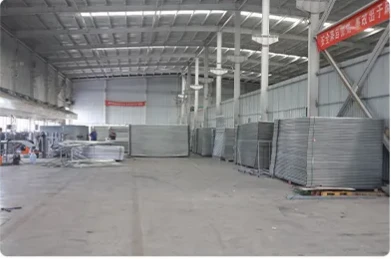
Selecting the correct wire mesh fence sizes is a critical decision for industrial procurement and construction project management. The precision of the mesh opening and the gauge of the wire directly influence the structural integrity, filtration efficiency, and security level of the installation, making it essential to understand the technical specifications before deployment.
Across various sectors, from petroleum mud filtration to chemical fiber screening, the demand for standardized dimensions ensures compatibility and performance. Whether you are looking for high tensile strength or specific corrosion resistance, the diversity in available sizes allows engineers to tailor solutions to the exact environmental stressors of a site.
Understanding the relationship between mesh count and wire diameter is the key to optimizing your investment in wire mesh fence sizes, ensuring that the material can withstand harsh alkaline or acidic conditions while maintaining its operational shape.
Technical Specifications of Wire Mesh Fence Sizes
When analyzing wire mesh fence sizes, the primary technical focus is the relationship between the Mesh (number of openings per inch) and the SWG (Standard Wire Gauge). For instance, a 3-mesh configuration paired with 21-22 SWG offers a vastly different structural profile compared to a 60-mesh setup using 38 SWG, which is designed for fine filtration and screening.
Standard roll dimensions further define the utility of these products, with common sizes including 0.914m x 30m, 1m x 30m, and 1.2m x 30m. These standardized dimensions ensure that installation is streamlined and waste is minimized across large-scale industrial projects.
Material Durability and Corrosion Resistance
The efficacy of specific wire mesh fence sizes is deeply tied to the chemical composition of the wire. High-quality mesh is engineered to provide exceptional acid resistance and alkali resistance, which is indispensable for environments such as electroplating plants or chemical fiber factories where corrosive agents are present.
Beyond chemical stability, the physical properties—including high tensile strength, toughness, and wear resistance—ensure that the mesh remains durable under mechanical stress. This durability prevents the deformation of the mesh openings, maintaining the integrity of the filtration process over time.
Moreover, the ability to maintain high strength while utilizing thin gauge wires allows for the creation of precise apertures. This balance is essential for industries like petroleum and mining, where the mesh must withstand heavy mud flow or abrasive minerals without compromising its structure.
Core Components of Mesh Selection
Selecting the right wire mesh fence sizes requires a deep dive into the operational requirements of the site. One must consider the aperture size (mesh count) to determine what particles or materials need to be filtered or contained, as a 10-mesh screen performs a completely different function than a 40-mesh screen.
The gauge of the wire, often measured in SWG, determines the load-bearing capacity and the lifespan of the product. When evaluating wire mesh fence sizes, a lower SWG number indicates a thicker wire, which is necessary for heavy-duty industrial screening, whereas higher SWG numbers are ideal for precision filtration in medicine or food processing.
Finally, the packaging and transport methods, such as water-proof paper, woven bags, or carton boxes, ensure that the product arrives without oxidation or physical damage. Proper protection is vital to maintain the exact specifications of the wire mesh fence sizes from the factory to the final installation site.
Performance Metrics for Industrial Applications
The performance of industrial mesh is measured by its ability to maintain its geometry under pressure. In the petroleum industry, where mud mesh is utilized, the stability of the wire mesh fence sizes prevents clogging and ensures a steady flow rate, which is critical for drilling efficiency and safety.
Comparing different mesh configurations reveals that higher mesh counts offer better filtration but may require more frequent cleaning. Conversely, coarser sizes provide higher throughput and are more resistant to physical impact, making them ideal for mining and machinery manufacturing.
Comparative Performance of Wire Mesh Fence Sizes
Global Industrial Use Cases
Across the globe, the application of diverse wire mesh fence sizes is evident in the chemical and pharmaceutical sectors. In these environments, pickling nets for electroplating and screening for medicine production require extreme precision to ensure purity and quality control.
In the mining and petroleum industries, particularly in remote industrial zones, the use of robust mesh for mud nets and mineral screening is standard. These applications rely on the high tensile strength of the wire to withstand the abrasive nature of extracted materials.
Long-Term Value and Operational Efficiency
Investing in the correct wire mesh fence sizes translates directly into reduced downtime and lower maintenance costs. When a mesh is properly matched to its environment—such as using acid-resistant wire in a chemical plant—the frequency of replacements drops significantly.
The long-term reliability of these materials provides peace of mind for facility managers. Knowing that the mesh is designed for toughness and wear resistance ensures that security and filtration boundaries remain intact without unexpected failures.
Furthermore, the versatility of the product range allows factories to design and produce various models. This customization capability means that as a company's needs evolve, the mesh specifications can be adjusted to maintain peak operational efficiency.
Future Trends in Wire Mesh Engineering
The evolution of wire mesh fence sizes is moving toward smarter material alloys that offer even higher corrosion resistance and lighter weight without sacrificing strength. We are seeing a trend toward hybrid coatings that enhance the natural properties of the steel wire for extreme environments.
Digital transformation in manufacturing is also allowing for more precise control over the weaving process, resulting in tighter tolerances for mesh openings. This precision is vital for the next generation of high-tech filtration systems used in green energy and water purification.
Sustainability is also becoming a core driver, with a focus on recyclable metals and more eco-friendly production processes. The goal is to provide industrial-grade wire mesh that meets the highest performance standards while minimizing the carbon footprint of the manufacturing cycle.
Core Analysis of Wire Mesh Fence Sizes and Specifications
| Mesh Range |
Typical SWG |
Primary Use Case |
Durability Score |
| 3 - 8 Mesh |
21 - 26 SWG |
Mining & Heavy Screening |
10/10 |
| 10 - 20 Mesh |
27 - 32 SWG |
Petroleum Mud Mesh |
8/10 |
| 30 - 40 Mesh |
35 - 38 SWG |
Chemical Filtration |
6/10 |
| 50 - 60 Mesh |
38 SWG |
Fine Lab Screening |
5/10 |
| Custom Sizing |
Variable |
Specialized Machinery |
9/10 |
| Large Rolls |
Standard SWG |
General Perimeter Fencing |
7/10 |
FAQS
For chemical filtration, you should prioritize materials with high acid and alkali resistance. Depending on the particle size you need to filter, you would typically look at fine mesh ranges (30-60 mesh) with a corresponding SWG that balances filtration precision with sufficient tensile strength to prevent sagging or tearing under chemical exposure.
Mesh refers to the number of openings per linear inch, which determines the aperture size. SWG (Standard Wire Gauge) refers to the diameter of the wire itself. A lower SWG number means a thicker wire, which provides more strength, while a higher mesh count means smaller holes, which provides finer filtration.
Yes, they are specifically designed for petroleum industry applications. The high tensile strength and wear resistance of our mesh sizes ensure they can handle the abrasive nature of drilling mud and the high-pressure environments typical of oil and gas operations.
We offer several common roll sizes to fit various project needs, including 0.914m x 30m, 1m x 30m, and 1.2m x 30m. These sizes are optimized for easy transport and installation across most industrial sites.
Absolutely. Our factory has the capability to design and produce various models based on specific client requirements. Whether you need a unique mesh count or a specific wire gauge for a specialized machine, we can tailor the specifications to your needs.
To maintain the integrity of the wire mesh fence sizes, we use professional packaging including water-proof paper, woven bags, or sturdy carton boxes. This prevents moisture from triggering premature oxidation during transit.
Conclusion
Selecting the appropriate wire mesh fence sizes is not merely a matter of dimension, but a strategic decision involving material science, environmental analysis, and operational goals. From the robust needs of mining and petroleum to the precise requirements of chemical and medical screening, the balance between Mesh count and SWG determines the long-term success and safety of an industrial installation.
As industry standards evolve toward greater sustainability and precision, investing in high-quality, corrosion-resistant mesh ensures that your infrastructure remains resilient. We recommend consulting with technical experts to match your specific environment with the ideal mesh configuration for maximum efficiency. Visit our website: www.tikemetal.com