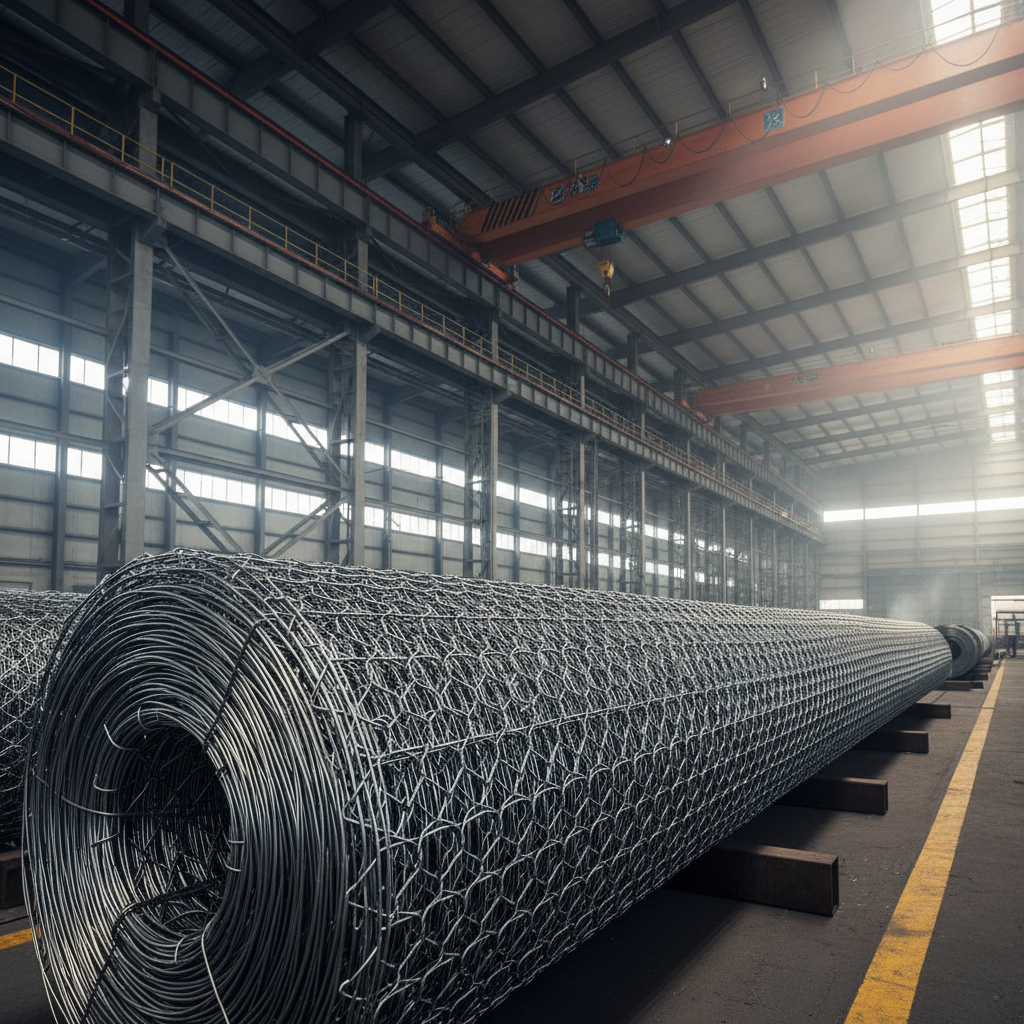
Selecting the right fencing wire suppliers is a critical decision for infrastructure security, agricultural management, and industrial safety. In a global market where material quality can vary wildly, understanding the intersection of metallurgy and application is the only way to ensure a long-term return on investment. Whether you are securing a high-risk perimeter or managing livestock, the integrity of the wire determines the reliability of the entire enclosure.
Across the globe, the demand for specialized wire products has surged as urbanization and industrial expansion accelerate. From the strict ISO standards governing corrosion resistance to the specific tensile strength required for anti-climb barriers, the role of professional fencing wire suppliers has evolved from simple commodity trading to providing engineered security solutions. The challenge lies in balancing cost-efficiency with the rigorous demands of harsh environmental exposures.
This comprehensive guide explores the technical nuances of sourcing from leading fencing wire suppliers, analyzing the material science behind products like Hot Dipped Galvanized Welded Mesh and PVC Coated Wire. By focusing on durability, sustainability, and application-specific needs, we provide the necessary framework for procurement officers and project managers to make informed, high-performance choices for their perimeter needs.
Global Industry Context of Fencing Wire Suppliers
The global landscape for fencing wire suppliers is currently shaped by a shift toward high-tensile materials and advanced anti-corrosion coatings. With the rise of industrial zones in Southeast Asia and expanded agricultural borders in the Americas, the requirement for standardized, durable wire mesh has become a cornerstone of global trade. International standards such as ASTM and EN ensure that the products delivered by these suppliers meet minimum safety and longevity requirements.
However, the industry faces significant challenges regarding raw material volatility and the environmental impact of traditional galvanization processes. Professional suppliers are now integrating leaner manufacturing techniques and sustainable sourcing to mitigate these risks, ensuring that the supply chain remains resilient against geopolitical fluctuations while meeting the growing demand for "green" infrastructure materials.
Defining the Role of Professional Fencing Wire Suppliers
At its core, fencing wire suppliers are more than just vendors; they are specialized manufacturers and distributors of metallic boundary solutions. They transform raw steel and alloys into precise formats—such as Welded Wire Mesh, Hexagonal Wire Mesh, or Chain Link Fence—that serve specific security or containment functions. The "professional" aspect of these suppliers refers to their ability to certify the gauge, zinc coating thickness, and tensile strength of every batch produced.
In modern industry, these suppliers act as a bridge between metallurgical science and practical architecture. For instance, when a project requires a 358 Anti Climb Fence, the supplier must ensure the wire is drawn to a precise diameter and welded with high-strength points to prevent cutting or climbing. This level of precision is what differentiates a generic wire provider from a strategic industrial partner.
Furthermore, the humanitarian and safety dimensions of this role cannot be overlooked. In disaster-prone areas or refugee settlements, the rapid deployment of temporary fencing—such as AU or CA Temporary Fence—provided by reliable suppliers ensures organized space management and basic security, proving that the industry's impact extends far beyond simple commercial profit.
Core Components of High-Quality Fencing Wire
Durability is the primary metric for any project sourcing from fencing wire suppliers. This is typically achieved through Hot Dipped Galvanizing, which creates a thick layer of zinc to protect the inner steel from oxidation. For environments with high salinity or chemical exposure, PVC coating provides an additional hydrophobic barrier, significantly extending the product's lifecycle.
Tensile strength and gauge consistency are equally critical. High-quality suppliers utilize precision drawing machines to ensure that the wire diameter remains constant throughout the roll. This prevents "weak spots" in the fence that could be easily breached or failed under tension, which is especially vital for products like Cattle Fence or Livestock Panels.
Finally, the welding integrity of the mesh defines its structural stability. Whether it is an Electro Galvanized Welded Mesh Panel or a Stainless Steel Welded Mesh, the bond at each intersection must be clean and deep. Professional fencing wire suppliers employ automated resistance welding to ensure that the mesh does not warp under heat and maintains perfect geometric alignment.
Performance Metrics for Evaluating Suppliers
When auditing potential fencing wire suppliers, procurement teams should look beyond the price per ton. The real value lies in the "Life Cycle Cost" (LCC), which considers the initial purchase price against the maintenance and replacement frequency. A cheaper, thinly galvanized wire may cost 20% less upfront but fail in 3 years, whereas a premium product lasts 15.
Another critical factor is the supplier's ability to provide material certifications (MTC). A reputable supplier will provide documentation proving the chemical composition of the steel and the thickness of the coating in microns. This transparency reduces the risk of premature failure and ensures compliance with local building codes and safety regulations.
Comparison of Fencing Wire Supplier Quality Metrics
Global Applications and Use Cases
The application of products from fencing wire suppliers spans across diverse sectors. In the industrial sector, Gabion Boxes and Reno Mattresses are used extensively for erosion control and riverbank stabilization in mountainous regions of Europe and Asia. These structures rely on the high-tensile strength of the wire to hold massive volumes of rock without deformation.
In the agricultural heartlands of Australia and North America, the use of Cattle Fence and Livestock Panels is non-negotiable for livestock management. Here, suppliers must provide wire that can withstand the physical impact of large animals while resisting the corrosive effects of organic waste and rain. Similarly, in urban security, the 3D Nylofor Fence provides a balance of aesthetics and deterrent capability for commercial parks.
Long-Term Value and Sustainable Advantages
Partnering with high-end fencing wire suppliers delivers value that transcends the initial invoice. The primary advantage is reliability; knowing that a perimeter will not sag or rust through provides peace of mind and reduces the labor costs associated with frequent repairs. From a logical standpoint, the use of high-grade stainless steel or heavy-duty galvanization is a strategic hedge against inflation and rising maintenance costs.
Sustainability is also becoming a core value proposition. Modern suppliers are adopting closed-loop water systems in their galvanizing plants and utilizing recycled steel scrap to reduce the carbon footprint of their production. This alignment with ESG (Environmental, Social, and Governance) goals makes these suppliers more attractive to government contractors and large corporations.
Ultimately, the trust built between a client and a supplier is based on the consistency of the product. When every roll of Black Wire or Every Steel Grating panel arrives with the exact same specifications, it eliminates project delays and ensures that the final installation is structurally sound and visually uniform.
Future Trends in Fencing Wire Technology
The future of fencing wire suppliers is being driven by material science innovations. We are seeing the emergence of "Smart Fencing," where conductive wires are integrated with IoT sensors to detect intrusions in real-time. This transformation from passive barriers to active security systems is redefining the value chain for wire manufacturers.
Furthermore, the adoption of advanced nano-coatings is set to replace traditional PVC in some applications. These coatings are thinner, more UV-resistant, and offer superior adhesion to the metal substrate, preventing the "peeling" effect common in low-quality coated wires. Automation in the weaving and welding process is also increasing precision, allowing for more complex geometries like the 358 mesh to be produced faster and with fewer defects.
As global policies lean toward carbon neutrality, we expect a surge in the demand for "Green Steel" wire. Suppliers who transition to hydrogen-based reduction processes for their steel will likely dominate the market, as they provide the same structural integrity with a fraction of the atmospheric emissions.
Technical Analysis of Fencing Wire Material Performance
| Wire Material Type |
Corrosion Resistance |
Tensile Strength |
Service Life (Years) |
| Hot Dipped Galvanized |
High |
Medium-High |
15 - 25 |
| PVC Coated Steel |
Very High |
Medium |
10 - 20 |
| Stainless Steel 304 |
Excellent |
High |
30 - 50 |
| Electro Galvanized |
Medium |
Medium |
5 - 10 |
| Black Annealed Wire |
Low |
Low-Medium |
2 - 5 |
| High Tensile Steel |
Medium-High |
Very High |
15 - 20 |
FAQS
The best way is to request a Zinc Coating Weight certificate (e.g., grams per square meter). You can also perform a simple "scratch test" or use a magnetic coating thickness gauge. Reputable fencing wire suppliers will gladly provide third-party lab reports showing compliance with ISO or ASTM standards, ensuring the zinc layer is thick enough to prevent rust for the specified lifespan.
While PVC coated wire is cost-effective and provides a strong barrier against salt spray, Stainless Steel (specifically Grade 316) is the gold standard for coastal environments. Stainless steel does not rely on a coating that can crack or peel over time; its corrosion resistance is inherent to the metal. For critical infrastructure, stainless steel is recommended, though PVC is sufficient for general perimeter fencing.
Electro galvanizing uses an electric current to apply a thin layer of zinc, resulting in a smoother finish but lower durability (best for indoor use). Hot Dipped Galvanizing involves immersing the wire in molten zinc, creating a much thicker, layered coating that is significantly more resistant to weather and abrasion. For outdoor fencing, always choose Hot Dipped options from your suppliers.
Yes, most professional fencing wire suppliers offer OEM/customization services. You can specify the aperture size (e.g., 50mm x 50mm), the wire diameter (gauge), and the coating type. When ordering custom mesh, it is important to provide a technical drawing to ensure the weld points and panel dimensions match your installation posts perfectly.
Anti-climb fencing, such as the 358 mesh, uses a much smaller aperture and thicker vertical/horizontal wires. This design eliminates "finger-holds" and "toe-holds," making it nearly impossible to climb without equipment. Additionally, the tight mesh makes it extremely difficult to cut with standard pliers, providing a much higher security level than traditional chain link.
Wire products are heavy and prone to deformation if handled poorly. Ensure your supplier uses reinforced steel strapping and seaworthy packaging (like wooden crates or heavy-duty pallets) for international shipments. Proper packaging prevents the wire from sagging or the PVC coating from being scraped during transit, ensuring the product arrives in installation-ready condition.
Conclusion
Navigating the complex world of fencing wire suppliers requires a balance of technical knowledge and strategic auditing. From the molecular level of galvanization to the structural integrity of welded panels, every detail influences the security and longevity of your perimeter. By prioritizing material certifications, understanding the specific needs of the environment, and evaluating the total life cycle cost, you can transform a simple fence into a long-term asset.
As the industry moves toward smarter, greener, and more durable materials, the partnership between the end-user and the supplier becomes more vital. We recommend staying updated on new coating technologies and transitioning toward sustainable steel sources to future-proof your infrastructure. For those seeking high-performance, certified fencing solutions that combine durability with precision engineering, we invite you to explore our extensive range. Visit our website: www.tikemetal.com