In the realm of modern civil engineering and environmental protection, the implementation of high-performance barriers like green wire fence mesh has become a cornerstone for sustainable infrastructure. These systems are not merely about boundary definition but are engineered to combat the devastating effects of soil erosion and hydraulic pressure in dynamic water environments. By blending structural rigidity with environmental adaptability, these solutions ensure that riverbanks, coastlines, and flood-prone areas remain stable under the most rigorous conditions.
Globally, the demand for sophisticated erosion control is rising as climate change increases the frequency of extreme weather events and flash floods. The integration of polymer-coated and galvanized materials in green wire fence mesh systems allows for a design life that far exceeds traditional rip-rap or simple welded mesh. This evolution in material science ensures that infrastructure investments are protected, reducing long-term maintenance costs for governments and private contractors alike.
Understanding the technical nuances of these mesh systems—ranging from the double-twist woven architecture to the specific zinc coating weights—is essential for procurement officers and engineers. This article explores the comprehensive utility of green wire fence mesh in the form of Reno mattresses and gabions, highlighting why their unique flexibility and shear resistance make them the gold standard for contemporary water management and soil fixation projects.
Understanding the Engineering of Green Wire Fence Mesh
The technical superiority of green wire fence mesh, specifically when utilized in Reno mattresses, lies in its double-twist woven design. Unlike rigid welded structures, this woven architecture allows the mesh to be flexible, enabling it to conform to the natural irregularities of a riverbed or slope. This adaptability is critical because it prevents the system from "unzipping" or rupturing when the ground beneath it undergoes differential settlement, a common occurrence in dynamic watercourses.
Furthermore, these systems offer a shear resistance that is twice that of traditional rip-rap for the same stone size. By compartmentalizing the stones into sections—typically one-meter divisions—the green wire fence mesh prevents the internal movement of fill material. This ensures that the structural integrity remains intact even when subjected to high-velocity water flows or the impact of suspended debris during flood events.
Global Relevance and Environmental Challenges
On a global scale, the erosion of riverbanks and coastal degradation represents a significant economic threat. According to international engineering standards and environmental reports, the loss of arable land and the collapse of bridge supports due to soil erosion cost billions in infrastructure repairs annually. The deployment of green wire fence mesh serves as a critical defense mechanism, providing a permeable yet strong barrier that manages hydraulic energy.
One of the primary challenges addressed by these systems is the "dynamic flow environment." In many regions, water levels fluctuate violently, creating turbulence that strips away unprotected soil. Traditional concrete walls often fail in these scenarios because they are too rigid; they crack under pressure or cause erosion further downstream. In contrast, the flexible nature of woven mesh systems absorbs and dissipates energy, working with the environment rather than against it.
From the flood discharge channels of Southeast Asia to the coastal defense engineering projects in Europe, the shift toward polymer-coated green wire fence mesh highlights a global trend toward "soft engineering." This approach prioritizes durability and environmental integration, ensuring that flood diversion dams and retaining walls can withstand the test of time and the volatility of nature.
Core Components and Material Specifications
The effectiveness of green wire fence mesh depends heavily on its material composition. Typically manufactured from galvanized steel wire or Galfan wire, these products are designed to resist corrosion in the harshest environments. The surface treatment options—ranging from electro-galvanized to hot-dipped galvanized—provide a critical layer of zinc (ranging from 40-300g/mm²) that prevents oxidation.
For projects in highly aggressive water environments, a polymer-coated (PVC) and galvanized woven green wire fence mesh is strongly recommended. This dual-layer protection not only enhances the design life of the Reno mattress but also allows the structure to blend visually with the natural landscape, reducing the industrial footprint of the engineering project.
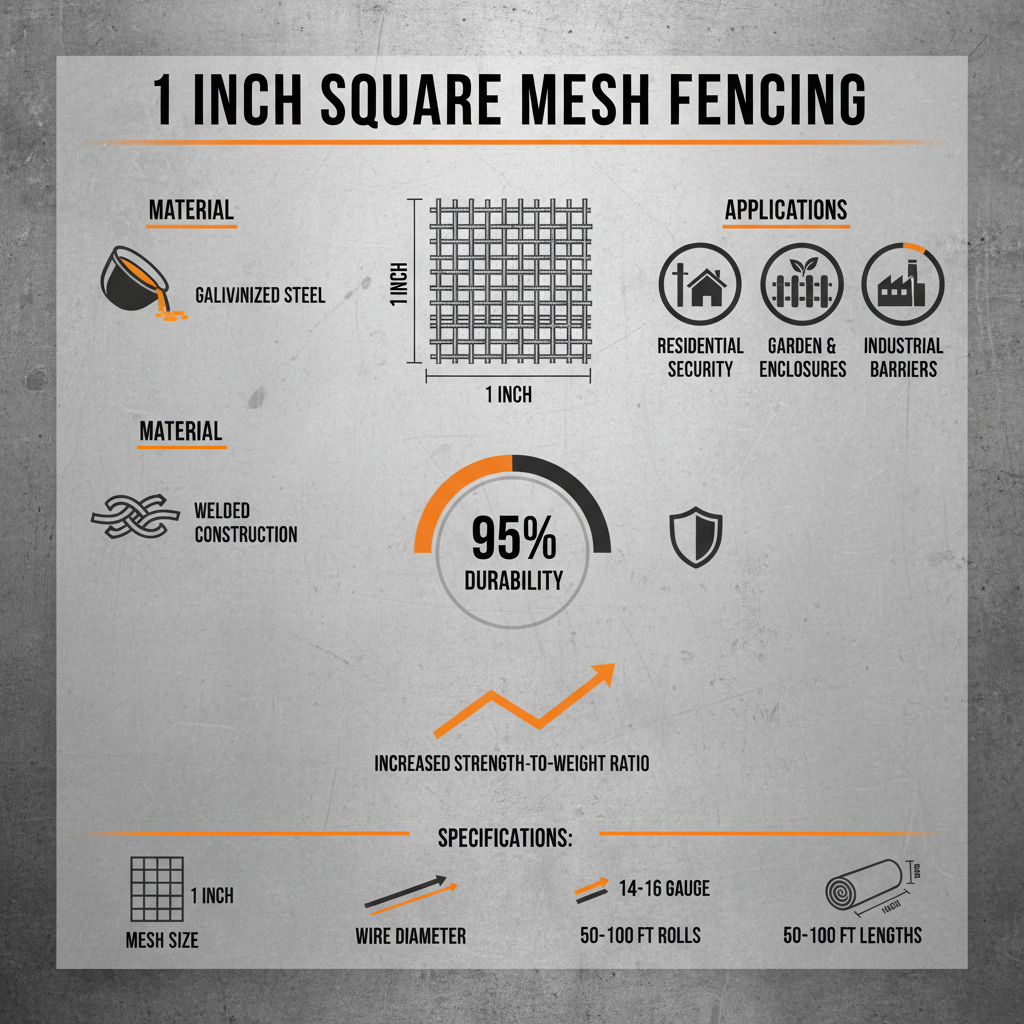
Standard specifications for these systems include wire diameters of 4-6mm and mesh openings such as 80x100mm or 80x60mm. These dimensions are carefully calibrated to balance the need for stone retention with the requirement for permeability. By allowing water to pass through while keeping the stones secure, the green wire fence mesh reduces hydraulic pressure, preventing the structure from being washed away.
Comparative Performance Analysis
When evaluating the performance of erosion control methods, it is clear that the double-twist woven architecture of green wire fence mesh outperforms traditional welded mesh and rip-rap. Welded mesh is prone to failure at the weld points when the ground shifts, whereas the woven design distributes stress across the entire network of wires.
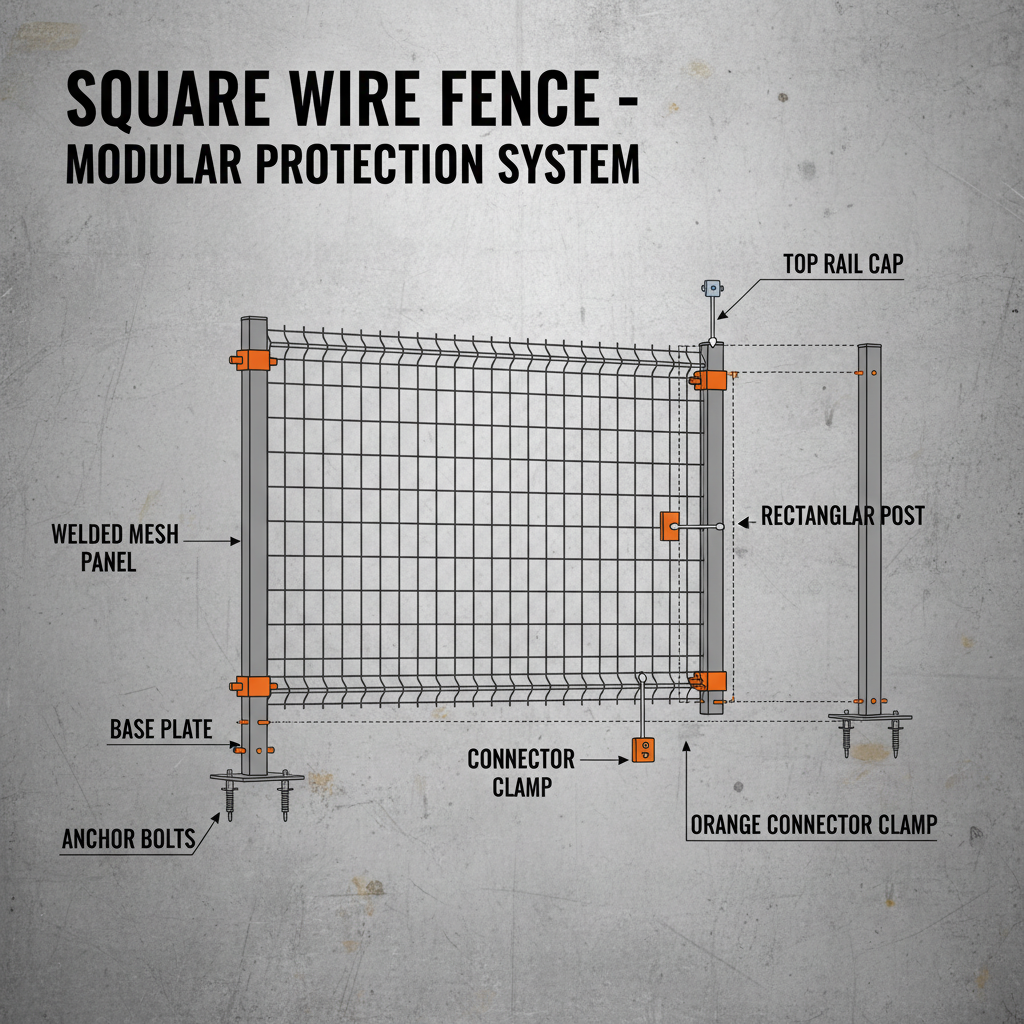
Moreover, the ease of installation provides a significant logistical advantage. Because these systems are supplied with separate lid panels and are modular in nature, they can be deployed rapidly in remote industrial zones or post-disaster relief operations, where speed of stabilization is paramount to prevent further land loss.
Performance Metrics of Green Wire Fence Mesh Variations
Global Applications in Water Management
The practical application of green wire fence mesh extends across various critical engineering sectors. In river management, Reno mattresses are used to line the bottom of channels and the toes of embankments, providing a stable base that prevents scouring. This is particularly effective in flood discharge and diversion dams where water velocity is high and the risk of bed erosion is constant.
Beyond riverbeds, these systems are indispensable for coastal defense engineering and port protection. The ability of the green wire fence mesh to be filled with heavy stone and anchored securely makes it an ideal solution for retaining walls and road protection in mountainous regions, where rock fall protection is required to ensure the safety of transport corridors.
Long-Term Value and Sustainability
Investing in high-quality green wire fence mesh provides tangible long-term value through reduced maintenance and increased structural reliability. By utilizing materials that comply with ISO9001 and ISO 14000 standards, procurement departments can ensure that their erosion control solutions are both environmentally responsible and durable.
The sustainability aspect is further enhanced by the permeable nature of the mesh. Unlike solid concrete barriers, which disrupt local ecosystems and alter natural water flow, the green wire fence mesh allows for the growth of vegetation within the stone fill. This creates a "living" barrier that supports biodiversity while providing industrial-grade protection.
From a financial perspective, the economical nature of the installation—simply filling containers with local stone and sand—significantly lowers the initial capital expenditure. When combined with the extended lifespan provided by polymer coatings, the total cost of ownership is remarkably low compared to traditional civil engineering alternatives.
Future Innovations in Mesh Technology
The future of green wire fence mesh is moving toward the integration of smarter materials and automated installation processes. We are seeing a trend toward the use of advanced alloys that offer even higher corrosion resistance than Galfan, potentially extending the design life of these systems in saltwater environments by several decades.
Digital transformation is also playing a role, with the use of BIM (Building Information Modeling) to precisely calculate the necessary mesh density and stone volume for specific terrains. This ensures that green wire fence mesh is deployed with maximum efficiency, reducing material waste and optimizing the structural load distribution.
As the world moves toward greener infrastructure, the development of fully biodegradable or recycled polymer coatings is on the horizon. This will allow engineers to maintain the high strength of the green wire fence mesh while ensuring that the end-of-life disposal of the product has zero negative impact on the environment.
Technical Specifications and Performance Analysis of Mesh Systems
|
Mesh Variation
|
Corrosion Resistance
|
Flexibility Score
|
Recommended Use
|
| PVC Coated Woven |
Excellent (10/10) |
High (9/10) |
Marine/Coastal |
| Galfan Coated |
Very High (9/10) |
High (9/10) |
Riverbeds/Floods |
| Hot-Dipped Galv. |
High (7/10) |
High (9/10) |
Soil Fixation |
| Electro-Galvanized |
Moderate (5/10) |
High (9/10) |
Temporary Works |
| Welded Mesh |
Variable (6/10) |
Low (3/10) |
Static Walls |
| Stainless Steel |
Ultimate (10/10) |
Moderate (6/10) |
Chemical Plants |
FAQS
The primary advantage is the containment provided by the mesh. While rip-rap stones can be displaced by strong currents over time, green wire fence mesh locks the stones in place within modular compartments. This provides twice the shear resistance of loose rip-rap, ensuring the protection layer remains uniform even during high-flow events.
Polymer-coated and galvanized green wire fence mesh is specifically engineered for aggressive environments. Depending on the zinc coating thickness (up to 300g/mm²) and the quality of the PVC, these systems can maintain structural integrity for several decades, significantly reducing the need for replacement compared to untreated steel.
While standard gabion boxes are designed for vertical walls, Reno mattresses are specifically engineered for flat, horizontal surface coverage. However, they are often used together; a vertical gabion wall provides the primary retention, while a Reno mattress is placed at the base to protect against toe erosion and scouring.
Actually, it is quite economical. The modular nature of the mattresses, with separate lid panels, allows for quick deployment. Once laid out and anchored, the process simply involves filling the compartments with locally sourced stone or sand, making it far faster and cheaper than pouring concrete.
Double-twist woven mesh, used in high-end green wire fence mesh, is flexible and will not rupture if one wire breaks. Welded mesh is rigid; if a weld fails or the ground shifts significantly, the entire panel can "unzip" or crack, making it less suitable for dynamic water environments.
Selection depends on the expected water velocity and stone size. Typically, 4-6mm wire is used for heavy-duty erosion control. For lighter applications or temporary works, thinner diameters may suffice. We recommend consulting the technical data sheets or a professional engineer to ensure the mesh can withstand the calculated hydraulic pressure.
Conclusion
In summary, the application of green wire fence mesh—particularly in the form of Reno mattresses—represents the optimal intersection of strength, flexibility, and environmental sustainability. By utilizing double-twist woven architecture and advanced corrosion-resistant coatings, these systems provide an unparalleled defense against soil erosion and hydraulic instability. Whether deployed in coastal defenses, riverbank stabilization, or flood management, the long-term value lies in their ability to adapt to dynamic terrains while maintaining a low maintenance profile and a reduced ecological footprint.
Looking forward, as global infrastructure faces increasing pressure from climate volatility, the transition toward these "soft engineering" solutions will only accelerate. We encourage project managers and procurement teams to prioritize certified, high-specification mesh systems to ensure the longevity and safety of their assets. For those seeking reliable, international-standard erosion control solutions, we invite you to explore our full range of technical capabilities. Visit our website: www.tikemetal.com