Securing a perimeter on a dynamic job site requires a balance between rapid deployment and structural integrity. For many project managers, selecting the right temporary fence mesh is not merely a procurement task but a critical safety decision that affects site liability and operational flow.
Unlike permanent installations, temporary fencing must withstand fluctuating environmental stresses while remaining portable enough for reconfiguration. The mesh quality determines whether a barrier remains a deterrent or becomes a maintenance burden due to sagging, corrosion, or failure under wind loads.
By analyzing the interplay between wire gauge, coating types, and mesh apertures, stakeholders can optimize their site security budget. This guide examines the technical specifications and procurement logic necessary to select high-performance mesh solutions tailored to specific construction and event requirements.

Evaluating the Structural Role of Temporary Fencing Mesh

The primary objective of temporary fence mesh is to create a visible and physical boundary that prevents unauthorized access while maintaining visibility for site surveillance. In the metal products industry, specifically within the manufacturing of architectural and security wire products, the "temporary" nature of these fences often leads to a misconception that lower specifications are acceptable.
In reality, a mesh system that fails due to poor weld quality or inadequate galvanization creates a security breach. The mesh acts as the primary tension member of the fence panel; if the wire diameter is too thin or the mesh opening too wide, the panel loses its rigidity and becomes prone to deformation.
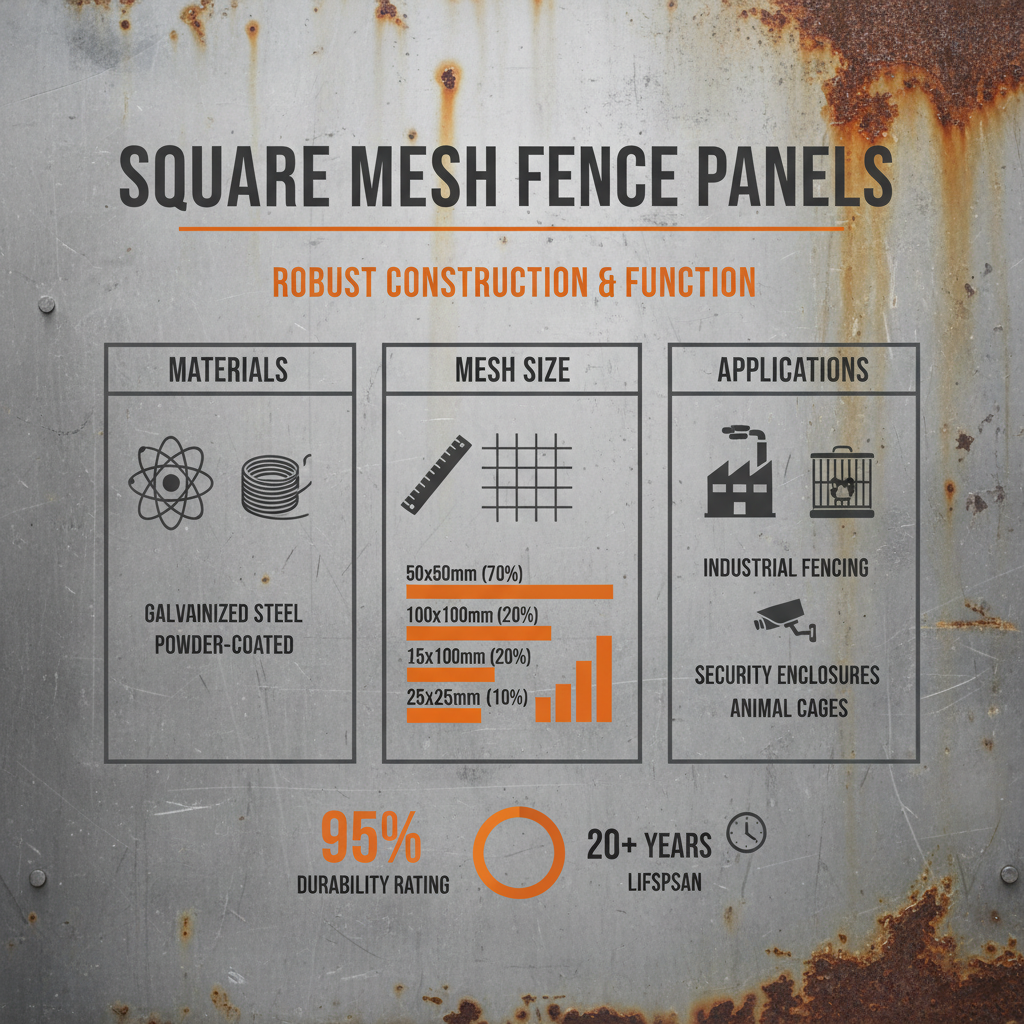
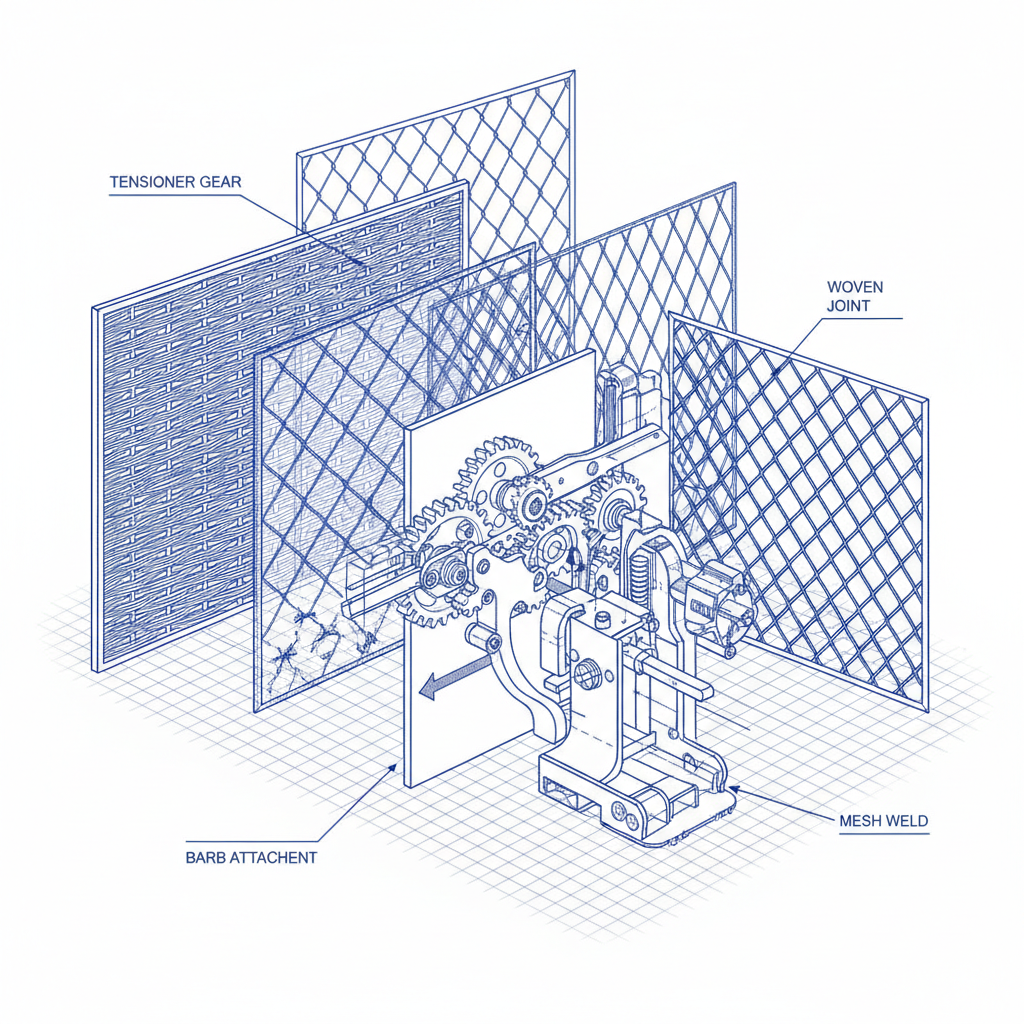
Understanding the distinction between different weave types—such as welded wire mesh versus woven configurations—is essential. For most temporary applications, welded mesh is preferred due to its superior stability and resistance to shifting, which is vital when panels are frequently moved across varying terrains.
Technical Determinants of Mesh Durability and Strength
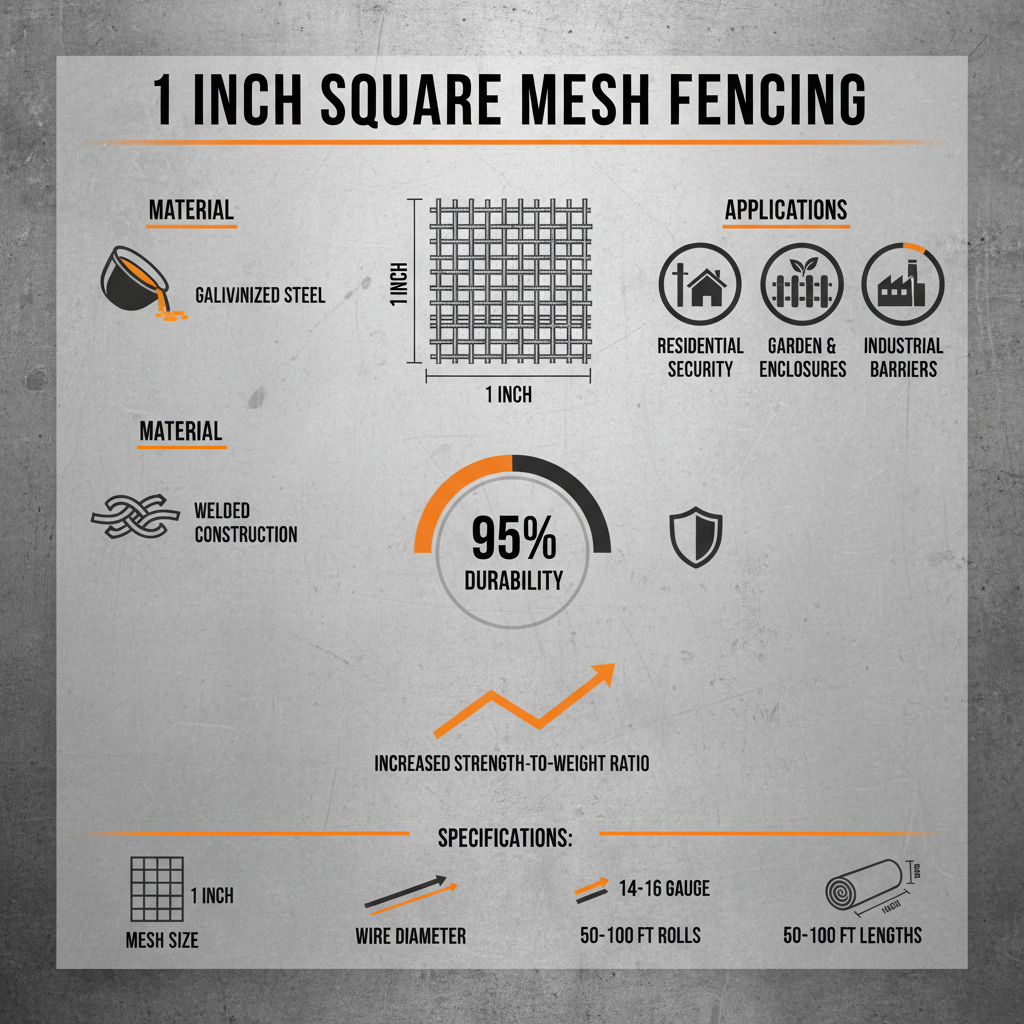
Durability in temporary mesh is governed by the relationship between wire diameter and the protective coating. A higher mesh count per inch generally increases the barrier's effectiveness against small intruders but can increase the total weight and wind resistance of the panel.
Coatings such as Hot Dipped Galvanization provide a sacrificial zinc layer that prevents oxidation, which is critical for projects lasting several months in humid or coastal environments. For more aggressive environments, PVC coatings are applied over the galvanized layer to provide an additional chemical barrier and aesthetic flexibility.
Weld integrity is the third pillar of strength. High-frequency welding ensures that the intersections of the vertical and horizontal wires do not snap during the stresses of transport and installation, a common failure point in low-grade temporary fencing.
High-Impact Application Scenarios for Temporary Barriers
Construction sites represent the most demanding environment for temporary mesh, where the fencing must protect expensive machinery and prevent public injury. In these scenarios, heavy-duty welded mesh panels with reinforced frames are necessary to withstand the vibrations of heavy equipment.
Crowd control for large-scale public events requires a different approach. Here, the focus shifts to the "feel" of the mesh—minimizing sharp edges and utilizing coatings that can withstand constant human contact—while ensuring the panels can be linked rapidly to create long, seamless perimeters.
Industrial zoning and temporary warehouse partitioning often utilize specialized mesh, such as those with smaller apertures to prevent the passage of smaller objects or debris, ensuring that internal site logistics remain organized and secure from external interference.
Comparing Mesh Performance Across Different Material Coatings
When evaluating the lifecycle of a temporary fence, the coating is the primary variable affecting the rate of degradation. Standard electro-galvanized mesh is suitable for short-term use, but its protection layer is significantly thinner than hot-dipped alternatives.
The following metrics illustrate the relative performance of different coating technologies across key industry benchmarks, including corrosion resistance, impact resilience, and lifespan extension.
temporary fence mesh Performance Metrics
As shown, the transition from basic galvanization to PVC-coated systems results in a substantial increase in corrosion resistance, making them the logical choice for long-term temporary installations (6+ months) or sites exposed to saltwater spray.
Critical Procurement Factors for Site Security Managers
Procurement of temporary fencing should not be based on the lowest unit price alone. Instead, the "Total Cost of Ownership" (TCO) must include the costs of replacement due to damage, the labor required for installation, and the potential cost of security failures.
Key specifications to verify include the wire diameter (measured in mm) and the micron size of the zinc coating. A discrepancy of even 0.1mm in wire diameter can significantly alter the panel's resistance to bending and impact.
Additionally, the packaging method should be considered. Whether delivered on wooden or iron pallets, the way mesh is transported prevents the panels from warping, ensuring that they align perfectly during on-site assembly.
Evolution of Modular Fencing and Material Innovations
The industry is moving toward higher modularity, where temporary fence mesh is integrated into systems that can be quickly upgraded. For instance, adding privacy screening or wind-breaking fabrics to a standard mesh panel allows for multi-functional site management.
Material innovations are also focusing on higher-strength low-alloy steels that provide the same rigidity as traditional steel but at a reduced weight. This could potentially lower transportation costs and make manual installation safer and faster.
Furthermore, the integration of customized apertures—varying the mesh size within a single panel—is becoming more common. This allows site managers to use tighter mesh at the base to prevent small animal entry while maintaining open visibility at the top for security cameras.
Comparative Analysis of Temporary Mesh System Types
Choosing between different mesh configurations depends on the specific risk profile of the site. While some projects require simple deterrents, others demand high-security barriers that are difficult to climb or cut.
The table below compares common temporary mesh configurations based on their technical properties and most suitable application environments.
| Mesh Configuration | Primary Coating | Security Level | Best Use Case |
|---|---|---|---|
| Standard Welded Mesh | Electro-Galvanized | Moderate | Short-term Event Perimeter |
| Heavy-Duty Galvanized | Hot-Dipped Zinc | High | Long-term Construction Site |
| PVC Coated Mesh | Galvanized + PVC | Moderate | Coastal or High-Humidity Areas |
| Anti-Climb Mesh | Hot-Dipped Zinc | Very High | High-Risk Infrastructure Sites |
| Light-Weight Woven | Zinc Plated | Low | Temporary Livestock/Agri-Fencing |
| Reinforced Steel Mesh | Powder Coated | High | Industrial Zoning/Partitioning |
For those requiring a comprehensive range of security solutions, from anti-climb systems to galvanized gabions, the technical capabilities and product variety available at www.tikemetal.com provide a reliable benchmark for professional procurement.
Frequently Asked Questions
Conclusion
Selecting a temporary fence mesh is a strategic decision that balances immediate cost against long-term site security and operational efficiency. By focusing on the technical specifications of the wire diameter, the quality of the galvanization, and the suitability of the mesh aperture for the specific environment, managers can ensure a secure and compliant perimeter.
Ultimately, the reliability of the mesh determines the safety of the site. Professionals evaluating their requirements for temporary security systems can review detailed product specifications and company certifications via www.tikemetal.com to ensure their procurement aligns with industry standards.