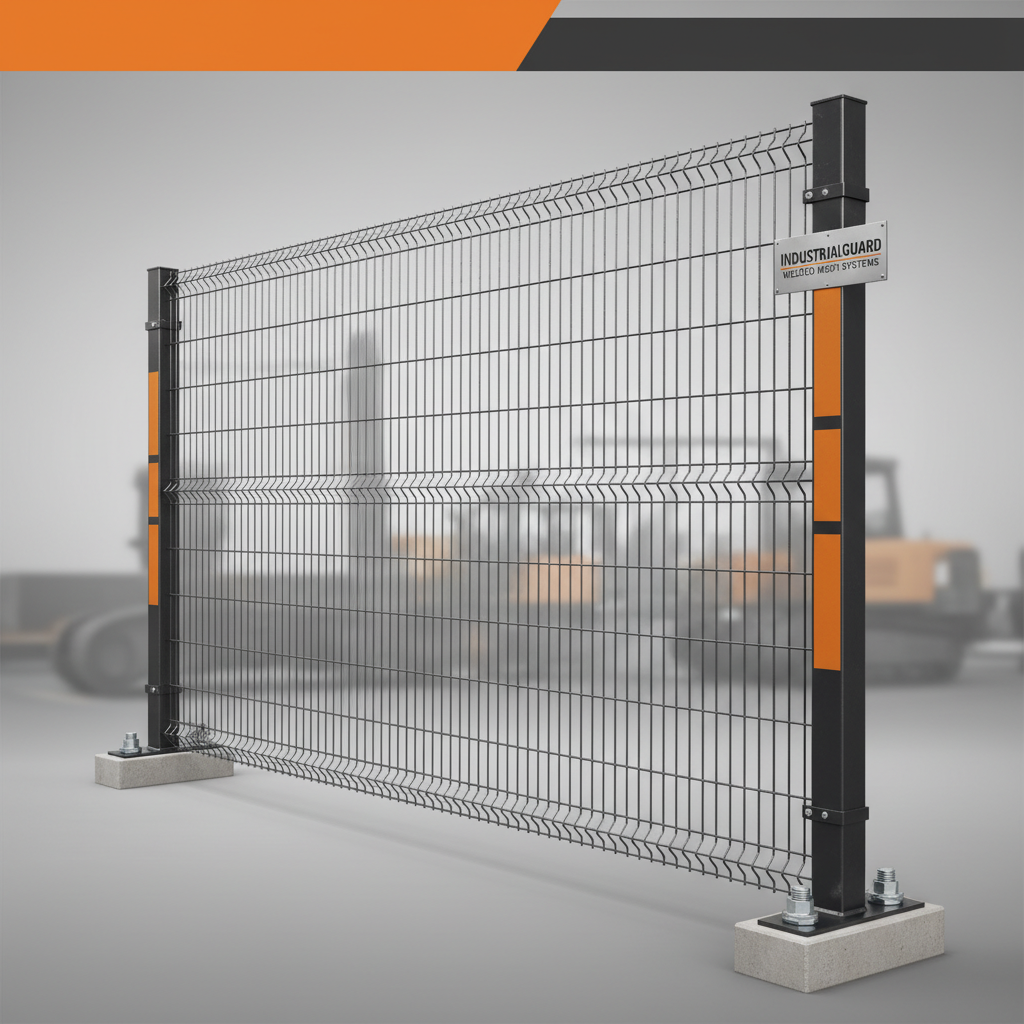
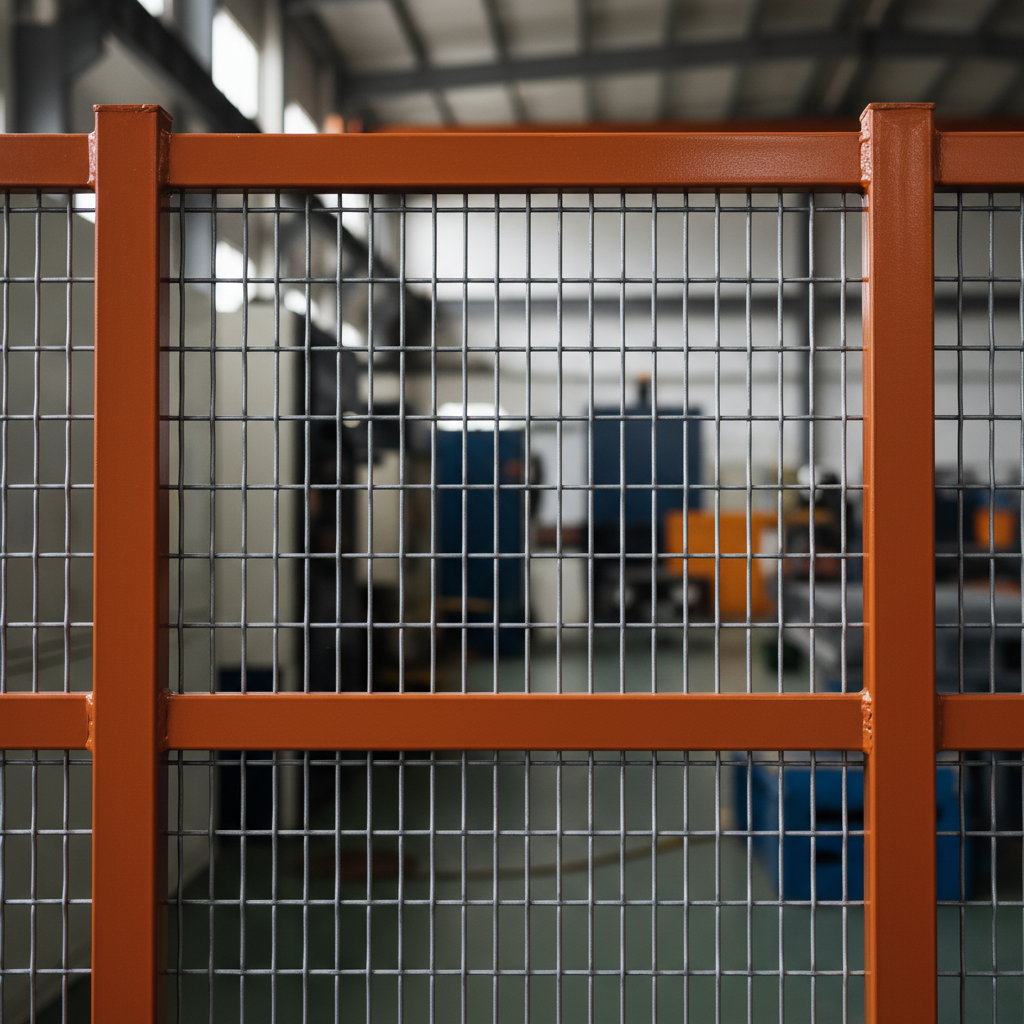
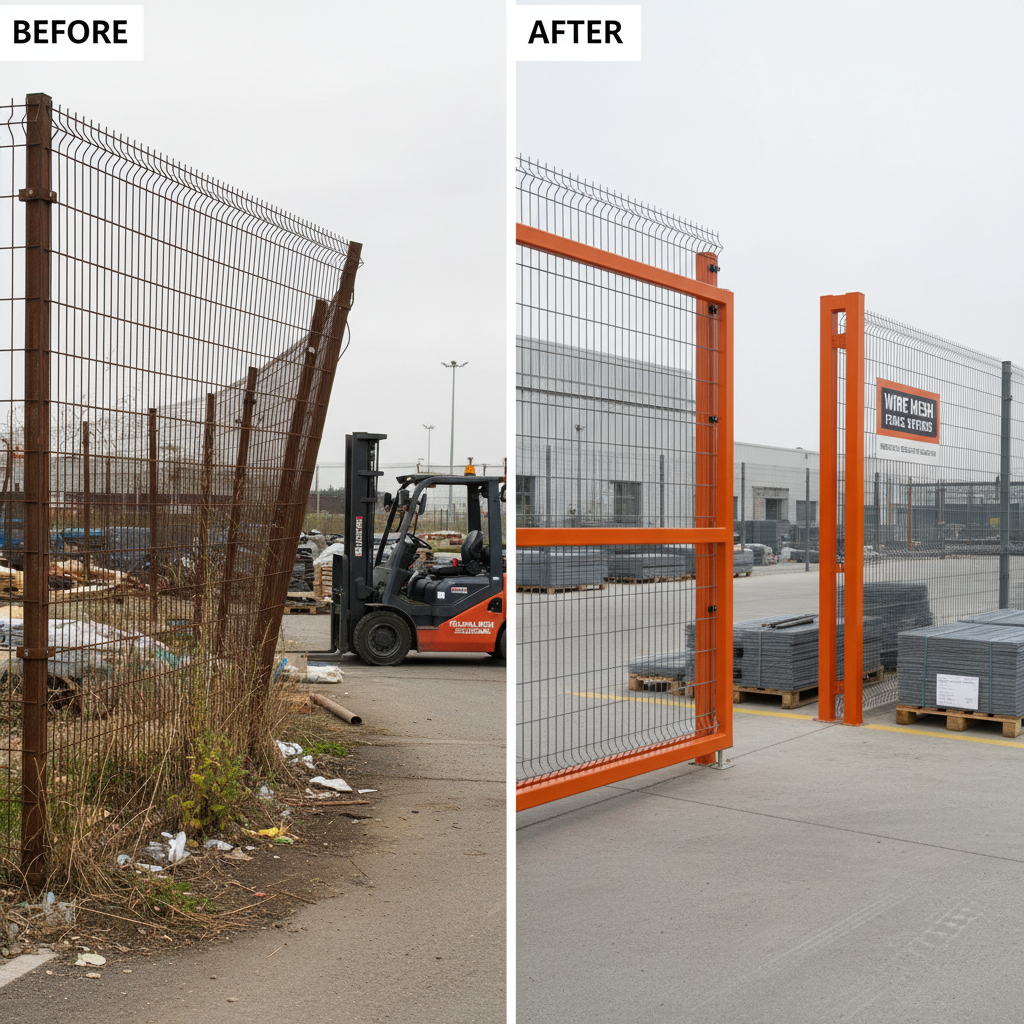
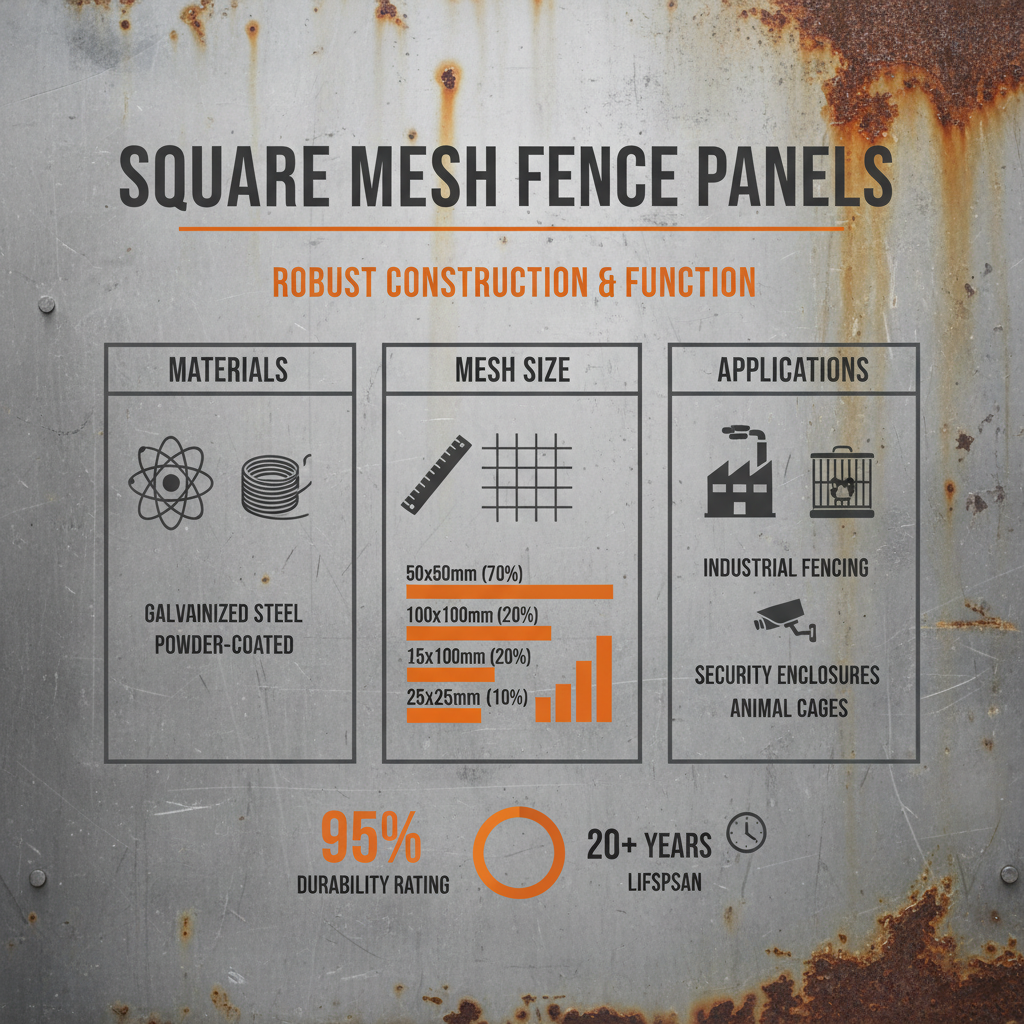
The global demand for durable infrastructure and reliable containment solutions has made specialized wire products, such as the 50 x 50 wire mesh, a cornerstone of modern industrial engineering. This specific configuration provides an ideal balance between structural rigidity and openness, allowing for efficient ventilation and visibility while maintaining high security and strength. From large-scale agricultural projects to sophisticated urban construction, the versatility of this mesh makes it a preferred choice for professionals seeking long-term reliability.
In the context of the metal products industry, the performance of a 50 x 50 wire mesh is largely determined by its manufacturing process and coating quality. Utilizing high-quality low-carbon steel wire rods that undergo drawing, pickling, and high-temperature annealing ensures that the final product possesses the necessary toughness and elasticity. When combined with advanced galvanization techniques, these mesh products can withstand extreme environmental stressors, preventing premature failure in the most demanding outdoor conditions.
For B2B buyers and procurement heads, selecting a 50 x 50 wire mesh requires a deep understanding of the trade-off between hot-dip and electro-galvanized coatings. While hot-dip galvanizing offers a thicker zinc layer for maximum corrosion resistance in coastal or high-humidity areas, electro-galvanizing provides a smoother finish for indoor or light-duty use. Understanding these technical nuances is essential for optimizing operational efficiency and reducing long-term maintenance costs across various industrial sectors.
Manufacturing Process of 50 x 50 Wire Mesh
The production of a high-quality 50 x 50 wire mesh begins with the selection of premium low-carbon steel wire rods. These rods undergo a rigorous series of transformations, starting with drawing molding to achieve the precise wire diameter—typically ranging from 0.8mm to 6mm—and followed by pickling and rust removal to ensure a clean surface for the subsequent coating layers.
After the cleaning phase, the wire is subjected to high-temperature annealing to improve its ductility and toughness. The final and most critical step is the galvanization process, where the wire is either hot-dipped or electro-galvanized. This creates a protective zinc barrier that prevents oxidation, ensuring that the final 50 x 50 wire mesh retains its structural integrity even when exposed to harsh atmospheric conditions.
Core Technical Characteristics and Durability
One of the standout features of the 50 x 50 wire mesh is its exceptional toughness and elasticity, which allows it to withstand physical impact without permanent deformation. This mechanical resilience is a result of the precise annealing process, ensuring that the wire can be bent or cut during installation without cracking or losing its tensile strength, which typically ranges between 315 and 430 MPA.
Corrosion resistance is the second pillar of this product's durability. With a maximum zinc content that can reach up to 300 grams per square meter in hot-dip variants, the mesh is virtually immune to rust in most standard outdoor environments. This thick galvanized layer acts as a sacrificial anode, protecting the inner steel core from moisture and oxygen.
Furthermore, the consistency of the mesh aperture—specifically the 50mm x 50mm square opening—ensures uniform load distribution and reliable containment. This precision is vital for industrial buyers who require strict adherence to safety standards and architectural specifications, making the 50 x 50 wire mesh a dependable component for long-term infrastructure projects.
Comparison of Galvanization Methods for Mesh
When specifying a 50 x 50 wire mesh, the choice between hot-dip and electro-galvanizing is critical. Hot-dip galvanizing involves immersing the steel in molten zinc, creating a thick, robust coating that is highly resistant to abrasion and chemical attack. This makes it the gold standard for heavy-duty outdoor applications like highway guardrails and agricultural fencing.
Conversely, electro-galvanized 50 x 50 wire mesh is produced using an electrical current to apply a thinner, more uniform layer of zinc. This method results in a smoother aesthetic finish and higher precision in wire diameter, which is ideal for indoor partitions, lightweight cages, or decorative architectural elements where extreme weather resistance is not the primary concern.
Ultimately, the decision depends on the environment of the installation. For coastal areas with high salinity or industrial zones with chemical pollutants, the heavy-duty protection of hot-dip galvanizing is non-negotiable. For controlled environments or short-term temporary fencing, electro-galvanized options provide a cost-effective and visually appealing alternative for the 50 x 50 wire mesh.
Industrial Performance Metrics and Ratings
To objectively evaluate the effectiveness of different wire mesh configurations, industrial buyers often look at performance ratings based on corrosion resistance, tensile strength, and ease of installation. A 50 x 50 wire mesh typically scores high across these metrics due to its balanced design, which avoids the fragility of smaller meshes and the instability of overly large openings.
The following data compares various versions of the 50 x 50 wire mesh based on typical industrial performance tests. These ratings reflect the product's ability to maintain structural integrity under environmental stress and mechanical load over a five-year period.
Industrial Performance Ratings for 50 x 50 Wire Mesh Variants
Global Applications and Use Cases
The applications of 50 x 50 wire mesh are vast and cross multiple industries globally. In the construction sector, it is frequently used for concrete reinforcement and as a base for plastering in industrial walls. In agricultural regions, such as the vast ranchlands of Australia or the farming hubs of Europe, this mesh is utilized for livestock enclosures and poultry cages, providing a secure barrier that resists the elements.
Beyond agriculture and construction, the mesh finds critical use in logistics and warehouse management. It is often fabricated into heavy-duty storage cages and product packaging grids, allowing for easy inventory visibility while ensuring that materials are securely contained. Whether it is used in coastal defense structures or as part of a safety fence in a factory, the 50 x 50 wire mesh provides a versatile solution for containment and protection.
Long-Term Value and Cost Efficiency
From a B2B procurement perspective, the value of a 50 x 50 wire mesh is not measured by the initial purchase price, but by the total cost of ownership (TCO). By investing in high-zinc coatings, companies significantly reduce the frequency of replacements and the labor costs associated with rust treatment. This proactive approach to material selection ensures that infrastructure remains operational for decades rather than years.
Moreover, the durability of the mesh enhances operational safety. In industrial environments, a failing fence or cage can lead to accidents or security breaches. The high tension strength (315~430 MPA) of a premium 50 x 50 wire mesh minimizes the risk of structural failure, providing peace of mind for operations supervisors and facility managers.
Sustainability is another key factor. Because galvanized steel is fully recyclable and has an extended lifespan, it represents a more eco-friendly choice compared to plastics or untreated metals that require frequent replacement. This alignment with ISO14000 environmental standards makes it a strategic choice for companies pursuing green certification and sustainable sourcing.
Future Trends in Wire Mesh Innovation
The future of 50 x 50 wire mesh is leaning toward "smart" coatings and hybrid materials. We are seeing an increase in the use of polymer-coated galvanized wire, which adds an extra layer of chemical resistance and color customization without sacrificing the strength of the underlying steel. This is particularly useful for projects requiring specific aesthetic blends or extreme resistance to acidic environments.
Automation in the welding and weaving process is also increasing precision. New CNC-driven machinery allows for the production of 50 x 50 wire mesh with virtually zero tolerance for error in the aperture size, which is critical for high-precision industrial filtration or specialized security screens. This shift toward automation reduces waste and lowers the cost of high-precision bulk orders.
Additionally, there is a growing trend toward integrating these meshes into modular construction systems. Instead of on-site cutting and fitting, pre-fabricated 50 x 50 wire mesh panels are becoming the norm, drastically reducing installation time and ensuring consistent quality across massive project sites.
Analysis of 50 x 50 Wire Mesh Specifications and Performance
| Coating Type |
Corrosion Resistance |
Typical Lifespan |
Recommended Use |
| Hot-Dip Galvanized |
Very High |
20-50 Years |
Coastal/Outdoor Fencing |
| Electro-Galvanized |
Moderate |
5-15 Years |
Indoor Partitions |
| PVC Coated |
High |
15-30 Years |
Chemical/Garden Use |
| Stainless Steel |
Extreme |
50+ Years |
Food/Medical Grade |
| Black Annealed |
Low |
1-3 Years |
Temporary Bundling |
| Zinc-Aluminum Alloy |
Very High |
30-60 Years |
Severe Industrial Zones |
FAQS
The primary difference lies in the coating thickness and the application method. Hot-dip galvanizing involves dipping the mesh in molten zinc, creating a thick, durable layer that offers superior corrosion resistance for harsh outdoor environments. Electro-galvanizing uses an electrical process to apply a thinner, smoother layer, which is more cost-effective and aesthetically pleasing for indoor or light-duty applications where extreme rust protection is not required.
Yes, provided that you choose the hot-dip galvanized version. Coastal areas have high salinity and humidity, which accelerate the oxidation of steel. The thick zinc coating of hot-dip galvanized wire acts as a sacrificial barrier, protecting the steel core from salt-spray corrosion and significantly extending the service life of the mesh compared to untreated or electro-galvanized options.
High-quality 50 x 50 wire mesh, manufactured from low-carbon steel wire rods, generally features a tension strength ranging from 315 to 430 MPA. This ensures that the mesh can withstand significant physical pressure and impact without snapping or permanent deformation, making it suitable for industrial security and agricultural containment.
Yes, it is frequently used for this purpose. Due to its rigidity and the bonding properties of galvanized steel, it provides excellent structural reinforcement for concrete slabs, walls, and industrial flooring. The galvanization also prevents the steel from rusting inside the concrete, which would otherwise cause the concrete to crack or "spall" over time.
When sourcing in bulk, you should verify that the supplier adheres to international quality and environmental standards, specifically ISO9001 and ISO14000. Requesting mill test certificates that specify the zinc coating thickness (e.g., 300g/m²) and tensile strength ensures that the product meets your project's technical requirements and will perform reliably in the field.
Yes, most professional manufacturers can customize the wire diameter to suit specific needs, typically offering a range from 0.8mm to 6mm. A thicker wire diameter increases the overall strength and weight of the mesh, which is necessary for heavy-duty industrial cages, while a thinner wire is more suitable for lightweight partitions or poultry enclosures.
Conclusion
The 50 x 50 wire mesh stands as a versatile and indispensable material for modern industry, offering a perfect synergy of strength, durability, and functionality. By combining high-quality low-carbon steel with advanced galvanization processes, it provides a reliable solution for containment, reinforcement, and security across the construction and agricultural sectors. Whether prioritizing the extreme corrosion resistance of hot-dip galvanizing or the precision of electro-galvanized finishes, this mesh ensures long-term structural integrity and significantly reduces operational maintenance costs.
As industrial demands evolve toward greater sustainability and precision, the adoption of certified, ISO-compliant wire mesh will become even more critical. For businesses looking to optimize their infrastructure investments, choosing a reputable supplier and the correct galvanization method is the most strategic path to ensuring project longevity. We invite you to explore our full range of high-performance wire solutions to find the perfect fit for your next project. Visit our website: www.tikemetal.com