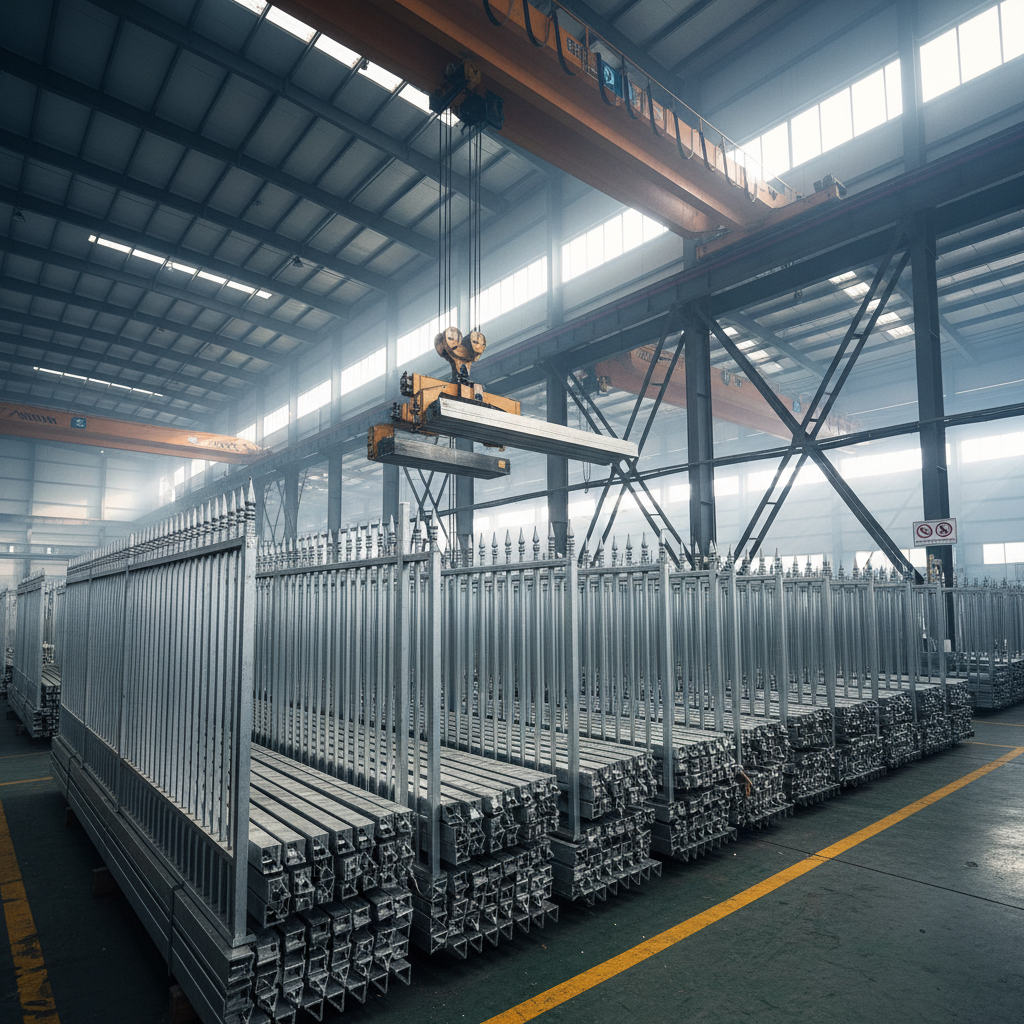
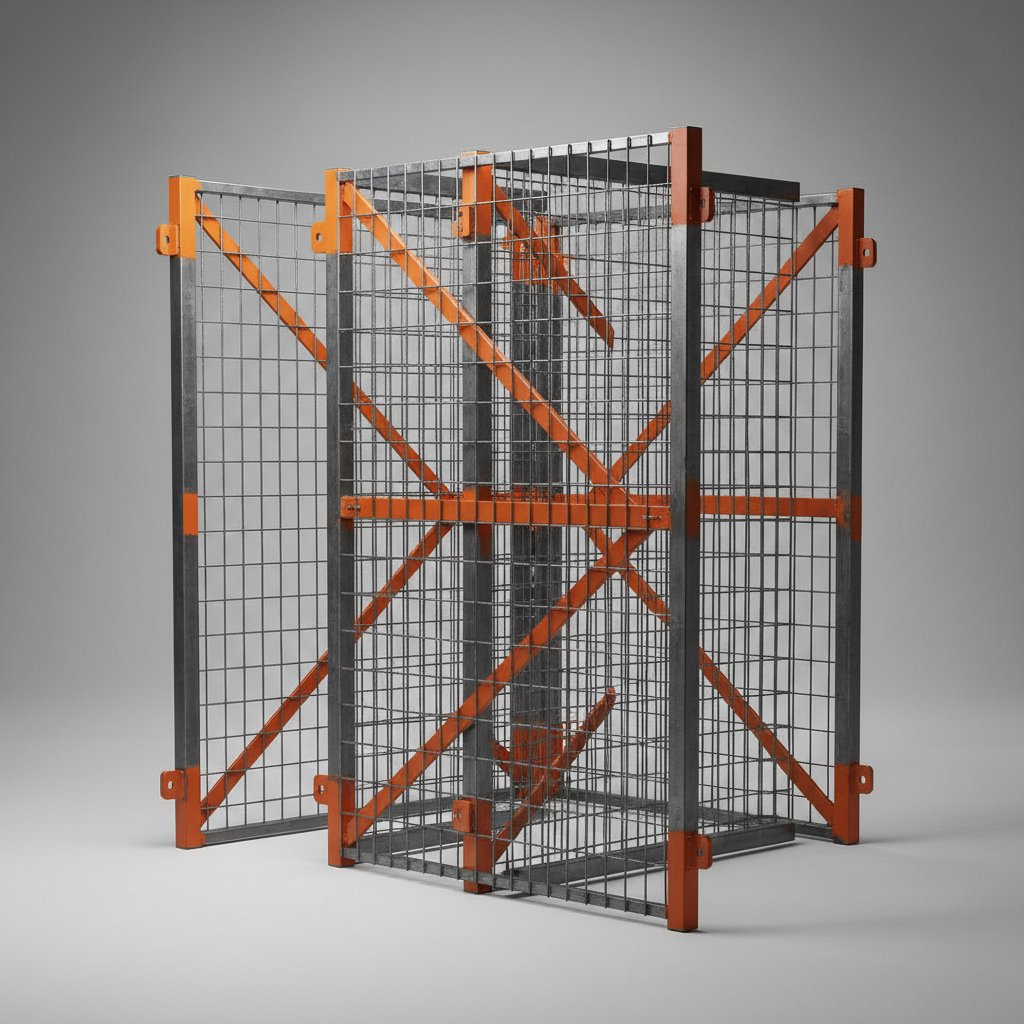
When planning a security perimeter or an agricultural enclosure, understanding the variables that influence the wire netting fence price is essential for balancing budget with long-term durability. The market for wire fencing is highly dynamic, driven by the raw cost of steel and zinc, as well as the specific engineering requirements of the project, whether it be a lightweight chicken cage or a heavy-duty 358 anti-climb barrier.
Across the global construction and agricultural sectors, the wire netting fence price serves as a key benchmark for procurement managers and farmers alike. Fluctuations in international metal trade and the adoption of new galvanization technologies mean that the cost of a linear meter of fencing can vary significantly based on the coating thickness and the tensile strength of the wire used.
Ultimately, evaluating the wire netting fence price is not just about finding the lowest number, but about calculating the total cost of ownership. By investing in high-quality materials like hot-dipped galvanized or PVC-coated mesh, buyers can reduce maintenance intervals and replacement costs, ensuring that their investment provides security and functionality for decades.
Global Market Dynamics of Wire Netting Fence Price
The global wire netting fence price is intrinsically linked to the commodities market, specifically the price of hot-rolled coil steel and zinc ingots. As industrialization accelerates in emerging economies, the demand for infrastructure security—ranging from airport perimeters to industrial zones—has put upward pressure on material costs. According to industry trends aligned with ISO quality standards, the shift toward high-tensile alloys has introduced a new pricing tier that prioritizes strength over sheer volume of material.
Furthermore, geopolitical shifts and trade tariffs often create regional price disparities. For instance, the cost of importing stainless steel welded mesh may vary significantly between North America and Southeast Asia due to shipping logistics and local customs duties. Understanding these macro-economic drivers allows procurement professionals to time their purchases during market dips, effectively lowering the overall wire netting fence price for large-scale installations.
Defining Value in Wire Netting Fence Price
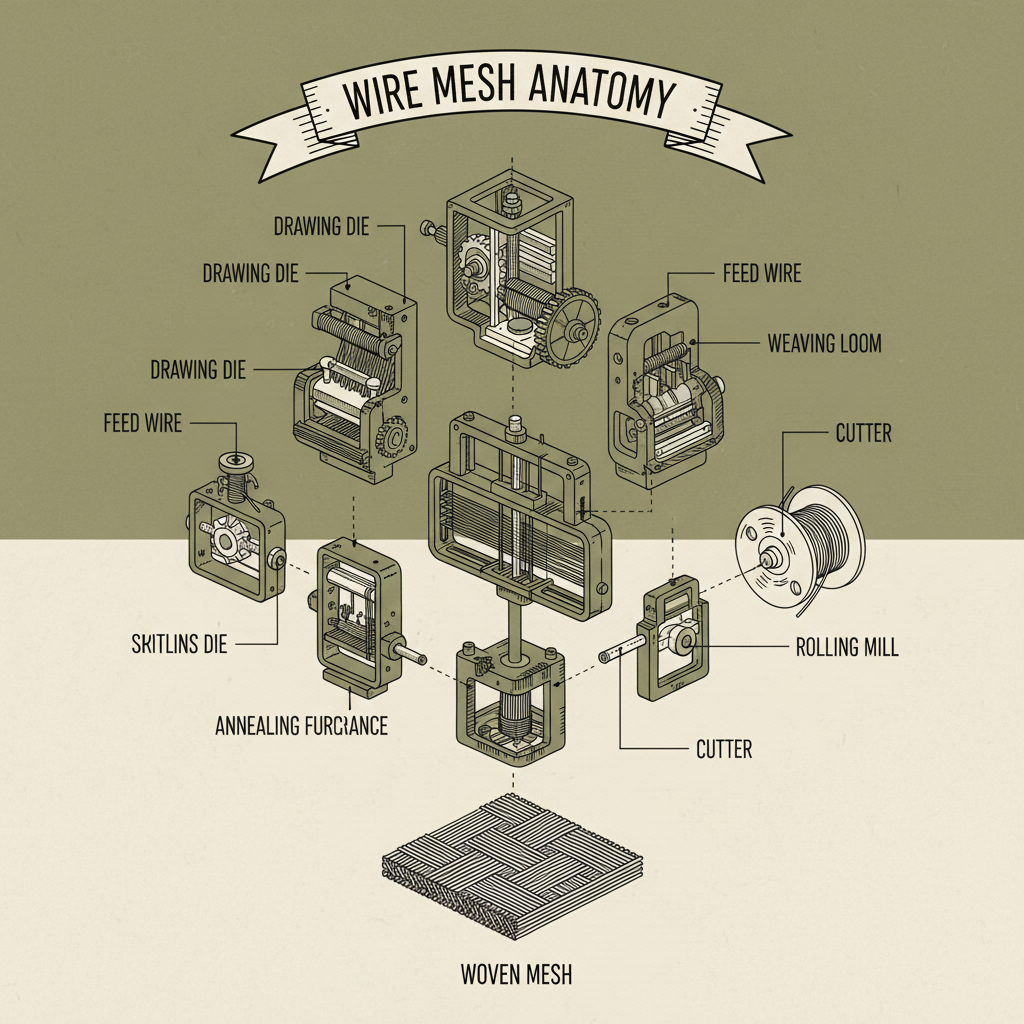
At its core, the wire netting fence price is a reflection of the engineering effort required to produce a specific mesh geometry. Whether it is the precise weaving of a hexagonal wire mesh or the automated welding of a 3D Nylofor fence, the complexity of the manufacturing process directly dictates the final cost. Value is not found in the cheapest option, but in the product that offers the best ratio of longevity to initial expenditure.
In modern industrial contexts, the pricing structure often accounts for "protective additives." For example, a standard galvanized fence is affordable, but adding a PVC coating to resist saltwater corrosion in coastal regions increases the wire netting fence price. This added cost is a strategic investment that prevents premature oxidation and the subsequent need for costly replacements every few years.
Moreover, the distinction between "commercial grade" and "industrial grade" is critical. Industrial-grade fences, such as those used in Anti-Blast Defence Gabions, utilize thicker gauge wires and reinforced joints. While this drives the wire netting fence price higher, the humanitarian and safety benefits—such as protecting critical infrastructure from kinetic impacts—justify the premium.
Key Material Components Impacting Cost
The primary driver of the wire netting fence price is the raw material selection. Carbon steel remains the most common choice due to its versatility, but the grade of the steel (low carbon vs. high tensile) creates a baseline price difference. Stainless steel, while significantly more expensive, is often mandated for food-processing plants or high-corrosion environments where traditional galvanizing is insufficient.
Coating technology is the second most influential factor. The wire netting fence price differs markedly between Electro-Galvanized (EG) and Hot-Dipped Galvanized (HDG) options. HDG provides a much thicker zinc layer, offering superior rust protection, which increases the unit price but drastically extends the product's lifecycle in outdoor settings.
Finally, the mesh aperture and wire gauge determine the volume of metal used per square meter. A tight, small-opening mesh (like those found in insect screens) requires more wire and more welding points than a wide-opening cattle fence. Consequently, the wire netting fence price scales upward as the density of the mesh increases, reflecting both the material volume and the increased machine time.
Cost Efficiency Across Different Fence Types
When comparing the wire netting fence price across categories, it becomes clear that specialization drives cost. A standard chain link fence is designed for broad utility and cost-efficiency, making it the go-to for residential or temporary boundaries. In contrast, specialized security fences like the 358 Anti-Climb Fence utilize a specific mesh density that makes it nearly impossible to get a foothold, naturally commanding a higher price point.
For agricultural needs, the wire netting fence price for livestock panels or cattle fences is optimized for strength-to-weight ratios. These products use high-tensile wire that can withstand animal pressure without requiring the excessive thickness of industrial mesh, allowing farmers to secure large areas without exceeding their budgets.
Comparative Analysis of Wire Netting Fence Price Indices
Global Applications and Regional Pricing
The application of wire netting varies by region, which in turn affects the localized wire netting fence price. In Europe and North America, there is a heavy emphasis on architectural aesthetics and strict safety codes, leading to a higher demand for PVC-coated welded mesh panels and 3D Nylofor fencing. These products often carry a premium price due to the stringent quality certifications required for urban installation.
Conversely, in remote industrial zones or developing agricultural hubs in Asia and Africa, the priority is often sheer durability and bulk pricing. Here, the wire netting fence price for hexagonal wire mesh or large Gabion boxes is the primary focus. These solutions are used extensively for erosion control and basic livestock containment, where the cost per square meter is optimized for massive scale rather than high-end finish.
Long-Term Value and Sustainability
When assessing the wire netting fence price, one must consider the environmental impact and the concept of "lifecycle costing." Metal fencing is inherently sustainable because steel is one of the most recycled materials on earth. Choosing a slightly more expensive, high-grade galvanized fence reduces the frequency of replacements, thereby lowering the carbon footprint associated with manufacturing and transporting new materials.
From a logical perspective, the reliability of a security fence provides an intangible but immense value: peace of mind. Whether it is protecting a high-security government facility or a family farm, the assurance that the fence will not sag or rust away within three years justifies a higher initial wire netting fence price.
Innovation in coating, such as the use of eco-friendly polymers in PVC coatings, is also starting to influence pricing. While "green" coatings may initially increase the wire netting fence price, they align with global ESG (Environmental, Social, and Governance) goals, making them more attractive to corporate clients and government contractors.
Future Innovations in Fencing Costs
The future of the wire netting fence price will be shaped by automation in the weaving and welding process. As robotic precision increases, waste is reduced, and production speeds accelerate, which could potentially lower the cost of complex patterns like expanded metal mesh. Digital transformation in supply chain management also allows for "just-in-time" delivery, reducing the warehousing costs that are often baked into the final price.
We are also seeing the integration of "smart" materials. The development of self-healing coatings or sensors embedded within the wire mesh to detect intrusions is emerging. While these high-tech additions will create a new, premium bracket for the wire netting fence price, they offer an integrated security solution that replaces the need for separate alarm systems.
Sustainability policies are also pushing the industry toward "circular economy" models. We expect to see a rise in the use of recycled steel in standard wire netting, which could stabilize the wire netting fence price against the volatility of virgin ore markets.
Comparison of Cost Factors Across Different Wire Netting Solutions
| Fence Category |
Price Impact Level |
Durability Score (1-10) |
Primary Cost Driver |
| Chain Link Fence |
Low to Medium |
6 |
Zinc Coating Weight |
| 358 Anti-Climb |
High |
10 |
Mesh Density/Precision |
| Welded Wire Mesh |
Medium |
8 |
Wire Gauge Thickness |
| Gabion Boxes |
Medium |
9 |
Galvanization Quality |
| Stainless Steel Mesh |
Very High |
10 |
Alloy Grade (304/316) |
| Chicken Cages |
Low |
4 |
Material Volume |
FAQS
The price is primarily driven by the raw material (carbon steel vs. stainless steel), the type of coating (electro-galvanized vs. hot-dipped vs. PVC), the wire gauge (thickness), and the mesh aperture size. Additionally, the complexity of the design, such as the 358 anti-climb pattern, increases the manufacturing cost compared to simple chain-link weaves.
Not necessarily, but usually. A higher price often reflects superior corrosion resistance (like HDG or PVC coating) or higher tensile strength. However, it is important to verify certifications (such as ISO) and specific material grades (like 316 stainless steel) to ensure the price premium matches the actual performance requirements of your environment.
Hot-dipped galvanized (HDG) fencing has a higher wire netting fence price because the wire is submerged in molten zinc, creating a thick, durable layer. Electro-galvanized (EG) fencing is cheaper as it uses an electrical process to apply a thinner layer, making it suitable for indoor use or short-term applications, but less durable outdoors.
Yes. Buying in bulk typically reduces the per-unit wire netting fence price. Additionally, choosing the right material for the right zone—such as using high-security fencing only for critical areas and standard chain link for secondary boundaries—can optimize your overall budget without compromising safety.
Stainless steel contains chromium and nickel, which are far more expensive than the iron used in carbon steel. Its inherent resistance to rust and chemicals eliminates the need for galvanization, but the raw material cost and the difficulty of welding stainless steel significantly drive up the wire netting fence price.
Wire netting is heavy and bulky. Logistics can account for a significant percentage of the final wire netting fence price. Selecting a supplier with optimized shipping routes or purchasing from a regional distributor can reduce freight costs and lead times, lowering the total landed cost.
Conclusion
Navigating the complexities of the wire netting fence price requires a comprehensive understanding of material science, market trends, and specific project needs. From the budget-friendly options of hexagonal mesh to the high-investment security of 358 anti-climb panels, the key to a successful installation lies in balancing the initial capital expenditure with the expected lifespan and performance of the product. By focusing on coating quality and material grade, buyers can avoid the trap of "cheap" fencing that requires frequent, costly repairs.
Looking ahead, the industry is moving toward a more sustainable and technologically integrated future. As automation lowers production costs and eco-friendly materials become the standard, the value proposition of high-quality wire netting will only increase. We recommend conducting a full lifecycle cost analysis before procurement to ensure your security solutions are both economically viable and operationally superior. For professional guidance and competitive quotes, visit our website: www.tikemetal.com.